
The Prince and the Chief-Justice
Henry IV, Part 2This thread follows the conflict between Prince Henry and the Chief-Justice from punishment for a past assault to their partnership under the new reign.
increasing Bearing strength in each event
 decreasing
Bearing strength in each eventdecreasingThe Earlier Assault
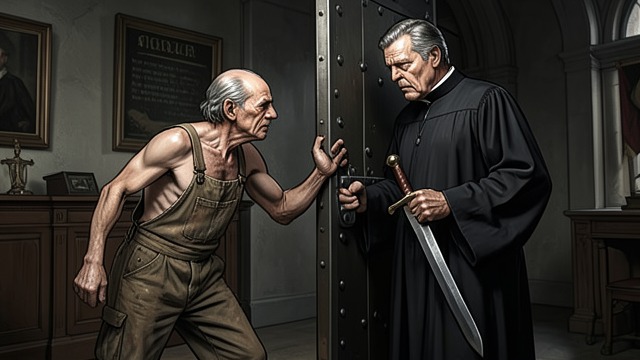
A Prince Punished
Royal Impatience
Prince Henry once struck the Lord Chief-Justice after the judge committed Falstaff. The prince's rank did not spare him from the consequences of attacking the representative of law.
An Unresolved Memory
The earlier punishment becomes a test of whether the prince can accept limits on his power. Both men carry the incident into the new reign, where its meaning will be reconsidered.
The Judge Confronts Falstaff
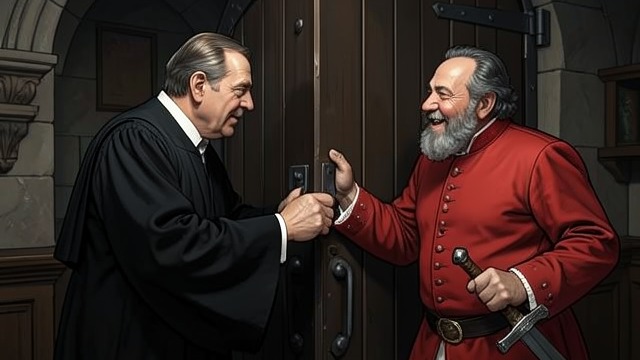
Law in the Street
A Public Dispute
The Lord Chief-Justice rebukes Falstaff for quarrelling and presses him to repay Mistress Quickly. He insists that military claims do not cancel ordinary obligations.
A Prince's Former World
Falstaff tries to turn the confrontation into a joke and escape accountability. The justice's firmness makes visible the legal order that Prince Henry once challenged on his behalf.
The New King Tested
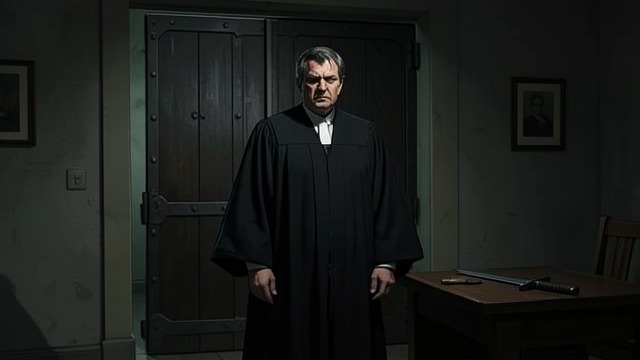
A Judge Awaits Judgment
Fear of Retaliation
The Lord Chief-Justice expects that the new king may punish him for imprisoning the prince. He prepares to face the consequences rather than beg for a pardon.
The Brothers' Concern
The princes recognize that the judge's position is exposed. The old conflict remains alive because a change of monarch can turn lawful service into apparent personal offense.
The Case for Justice
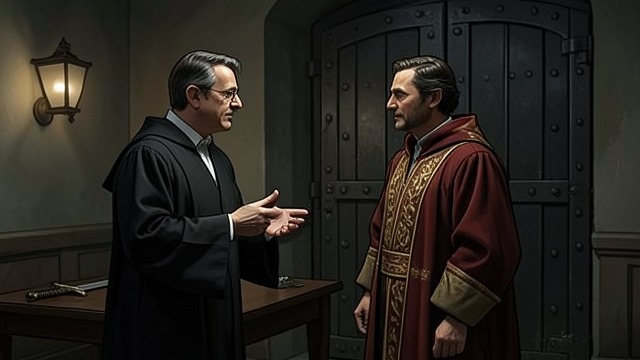
A Defense of Office
The Judge's Account
The Lord Chief-Justice explains that he punished Prince Henry while exercising the king's authority and protecting the court. He asks the new monarch to judge his conduct as a father would judge a son.
Power Submitted to Law
The argument places the king's own behavior under the same standard the judge enforced. A ruler who accepts that reasoning can strengthen the law rather than turn it into a tool of personal revenge.
The Sword Entrusted
A Partnership Restored
The King Agrees
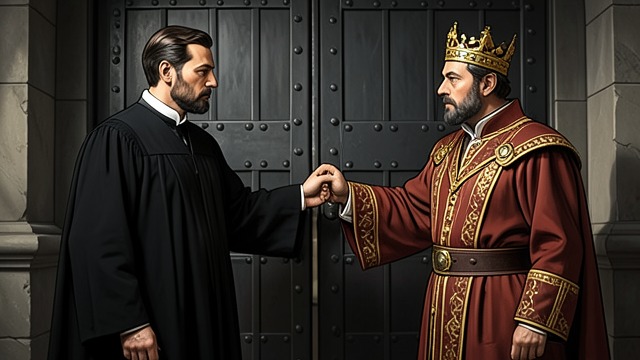
The new king declares the Chief-Justice right and asks him to continue bearing the balance and sword of justice. The old punishment is recast as proof of the judge's independence.
A Political Example
The king entrusts the judge with his authority and promises to submit a future son to the same rule. Their relationship becomes a public demonstration that royal power can accept legal restraint.
Before the play's opening events
In London before the king's next campaign
After King Henry IV's death
At the first public meeting of the new reign
At the new king's response to the Chief-Justice
