Archbishop of York
Henry IV, Part 2The Archbishop of York is a churchman who becomes a leader of armed opposition to Henry IV's government. His character is introduced first through reports of his organized forces, then brought onstage at Gaultree Forest to argue for the uprising and negotiate its end. The contrast between his clerical standing and his military role gives the rebellion both a claim of public grievance and a pointed tension between spiritual authority and political force.
Identity and Introduction
Before appearing in person, the Archbishop enters the play through news of his rising. He is described as a gentle prelate who has taken the field with well-appointed powers, and as a leader who binds his followers with a double surety. The report gives his force a quality of deliberate organization: his authority rests not only on the number of men assembled, but on the bonds holding them together.
His emergence follows the news of the royal victory at Shrewsbury, where the king's forces have defeated Harry Percy and his troops. The Archbishop's rebellion belongs to the continuing instability of Henry IV's reign, rather than to that earlier battle itself. The distinction matters: the play moves from one defeated opposition to another rising, showing that victory over a formidable enemy has not settled the political order.
The Rising and Its Stated Cause
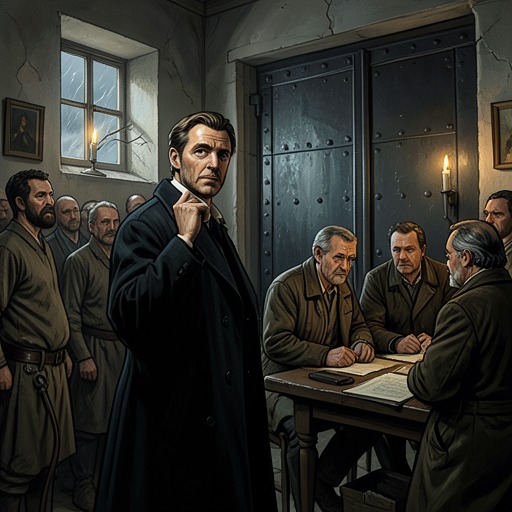
In Act IV, the Archbishop appears at Gaultree Forest with Mowbray, Lord Hastings, and other supporters. A challenge to his change from religious speech to military action gives him the opportunity to explain himself. He takes up the question directly, asking why he has acted and describing the community as diseased. The image presents the rebellion as a response to a condition shared by many, not merely as the private ambition of one leader.
The surviving speech in these passages does not enumerate all the grievances or establish that every claim is justified. It does, however, frame the rising as a collective complaint. Later, the king's representative promises that the grievances will be redressed and urges the rebels to send their forces back to their counties. The promise offers a political remedy in place of continued fighting, but also shifts the immediate issue from the justice of the complaints to whether the assembled forces will disperse.
Negotiation and Conflict
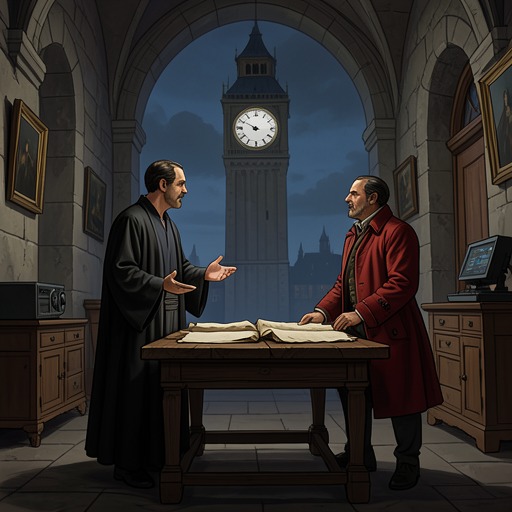
The Archbishop's exchanges at Gaultree show him attentive to the terms and obligations of negotiation. When the assembly's status is questioned, he asks whether the other side will break its faith. His appeal makes good faith the measure of the encounter: the rebels are not only armed opponents but participants in an agreement whose credibility matters to them.
That insistence sharpens the reversal in the episode. The promise of swift redress is followed by the direction to discharge the forces, while the Gaultree Forest rising ends with the rebels deceived and arrested. The Archbishop's appeal to faith thus stands against the outcome of the negotiation. The play's movement from assurances to capture makes the settlement less a mutual resolution than a means by which the armed opposition is neutralized.
Narrative Role and Significance
The Archbishop's portrayal is mediated in two distinct ways. At first, other characters report his strength and the certainty of his followers; at Gaultree, he speaks for himself, explaining the rising and testing the promises made to it. This shift from report to confrontation lets the audience compare the public image of a well-organized rebel leader with his own account of a collective political grievance.
His clerical identity remains central to the conflict around him. Others draw attention to the transformation of pen and religious speech into lances and a trumpet of war, while he insists that the rebellion answers a diseased political condition. Neither image erases the other: the Archbishop is at once a religious figure and a participant in armed resistance. His eventual defeat and arrest bring that resistance under royal control, while the failed appeal to faith leaves the government's promise of redress in an uneasy light.