Gaultree Forest rebels deceived and arrested
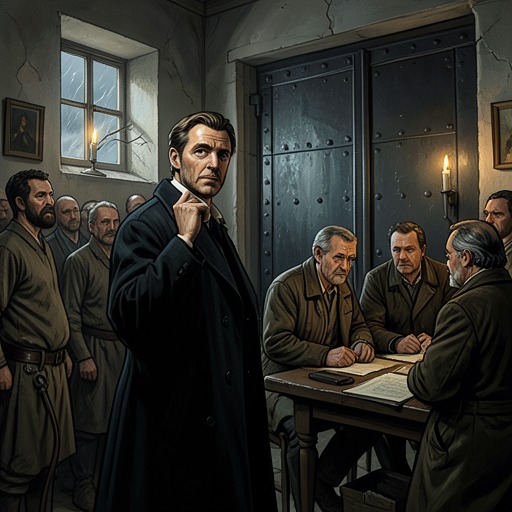
Henry IV, Part 2Gaultree Forest rebels deceived and arrested is the decisive reversal in which conciliatory assurances are followed by the arrest of the rebel leaders. John of Lancaster accepts their articles, promises that their grievances will be remedied, and proposes that both armies disperse; after Hastings reports that the rebel soldiers have already gone, Westmoreland arrests him, the Archbishop of York, and Mowbray. The shift from negotiation to custody makes the rebels’ dispersal the condition of their vulnerability and ends their military challenge in defeat.
Negotiation and promised redress
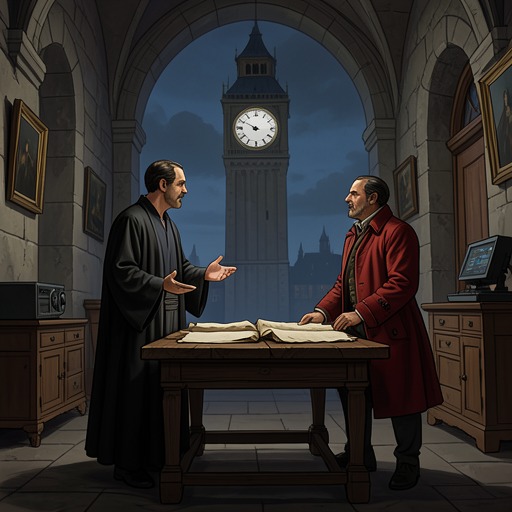
John of Lancaster answers the rebels’ articles by saying he accepts them all. He swears by the honour of his blood that King Henry IV’s purposes have been misunderstood and that people around the king have stretched both his meaning and his authority too far. The explanation places the conflict, at least in Lancaster’s account, partly in the distortion of royal intent: the rebels’ complaints may be addressed without conceding that the king himself intended the abuses they describe.
Lancaster then gives a direct assurance that the grievances will be redressed quickly, pledging his soul to the promise. This is more than a general offer to hear the rebels; it presents remedy as an undertaking for which he personally answers. In the same breath, however, he makes the proposed settlement depend on a practical step: the rebels are to send their forces back to their respective counties, as the royal side will send its own away. He proposes that the two armies drink together and embrace between their ranks, giving the negotiation a public, conciliatory form.
The terms matter because they join political reassurance to military demobilization. Lancaster’s words invite the rebels to treat the dispute as settled enough for their armed following to disperse. The later arrests expose the danger built into that sequence: the promise of redress is made before the opposing force has secured protection for its leaders or maintained a body of troops around them. The text establishes the reversal in what happens next, without giving a separate account of Lancaster’s private intentions.
The rebel army disperses
When Hastings returns, he reports that the rebel army is already dispersed. He compares the soldiers to young steers released from a yoke, each hurrying toward home and a place of sport. The image makes the change visible and immediate: an army that had assembled as a collective political and military force is now divided into individuals travelling away from the scene.
That report follows Lancaster’s proposal that both sides dismiss their forces. The rebels’ departure is therefore not simply a later consequence of defeat; it precedes the arrest of their leaders and changes the balance at the moment the agreement is tested. The army is no longer present as a united body that could defend Hastings, the Archbishop of York, or Mowbray. The play’s compact staging gives the dispersal particular force: the negotiation appears to have emptied the field before Westmoreland declares what the royal side will do.
Arrests and the return to coercion
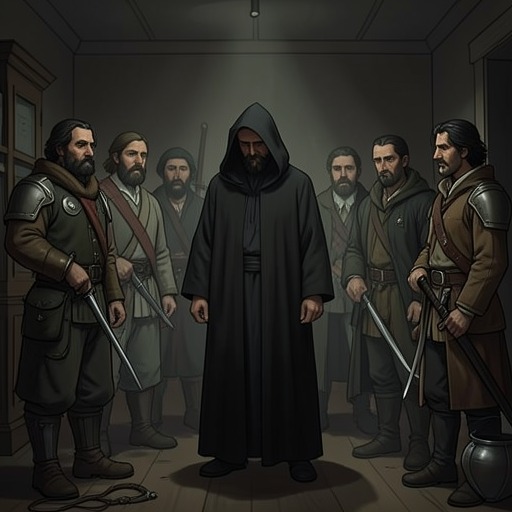
Westmoreland answers Hastings’s report by arresting him for high treason. He then announces the arrest of the Archbishop of York and Mowbray, identifying their offence as capital treason. The distinct charges give the action a legal form, but their timing makes the immediate political turn unmistakable: the leaders are taken after the rebel army has dispersed and after Lancaster has promised that the rebels’ grievances will be remedied.
Westmoreland does not withdraw the assurance that the complaints will be addressed. He says that the matters of which the rebels complained will be performed with Christian care, then separates those grievances from the rebels’ responsibility for taking up arms. They are to face the punishment due for rebellion and their other acts. In this framing, redress and prosecution are made to coexist: the grievances may be acknowledged, but that acknowledgement does not protect the rebel leaders from the consequences Westmoreland assigns to their armed resistance.
The contrast between conciliatory language and immediate arrest defines the event’s central reversal. The announced promise of remedy remains in place as a statement, while the arrest demonstrates that the settlement does not mean amnesty. The scene does not show a trial or establish the eventual fate of each prisoner; it shows the moment when treason charges replace negotiation as the royal response to the rebellion’s leaders.
Pursuit, custody, and significance
Westmoreland orders the drums to sound and commands the royal forces to pursue the scattered soldiers. His description of them as strays answers Hastings’s image of the army released from its yoke: the troops have gone homeward, but the royal response now treats them as fugitives to be chased. Westmoreland attributes the day’s safety to God rather than to the royal army, giving the outcome a providential explanation even as he directs further military action.
He also orders guards to take the arrested leaders to the block of death. This is a threat of execution, not a narrated execution: the action ends with the prisoners under guard and the royal side in control. The distinction preserves the event’s actual outcome while making clear how severe the danger facing the captives has become.
The sequence gives the episode its political and dramatic significance. Acceptance of the articles and a pledge of redress first present peace as attainable; the request to disperse then changes the rebels’ military position; the arrests and pursuit finally reveal that reconciliation has not prevented coercive punishment. The scene thus turns on the gap between a promise that grievances will be remedied and the immediate exercise of royal authority against those who raised them. The rebellion’s leaders are captured, their army scattered, and the proposed friendly encounter gives way to treason charges, pursuit, and the threat of death.