
The Prince and the King
Henry VThis thread follows the rivalry between King Henry V and the Dauphin from a dismissive gift to its military and diplomatic consequences.
increasing Bearing strength in each event
 decreasing
Bearing strength in each eventdecreasingThe Dauphin’s Mockery
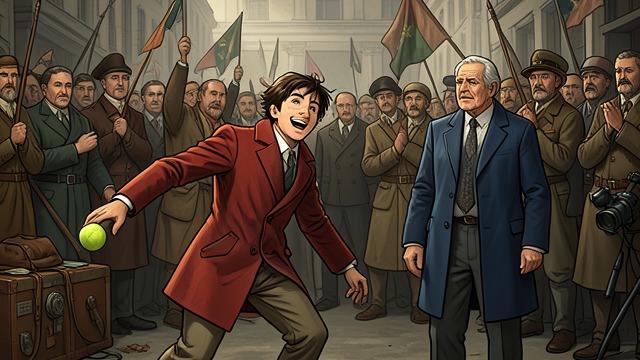
The Dauphin’s Mockery
Youth used as an insult
The Dauphin sends tennis balls to ridicule King Henry V’s earlier life. The gesture treats the English claim as a joke and questions the king’s maturity.
A personal challenge made public
King Henry V answers that the balls will become reminders of war. The exchange gives a dynastic conflict a sharper personal edge.
The King’s Changed Answer

The King’s Changed Answer
Former indulgence recalled
King Henry V admits that he once lived with youthful license away from the English court. He argues that the Dauphin has misunderstood how that experience shaped him.
A new royal posture
He promises to appear with full majesty in France. The insult becomes an opportunity to demonstrate the transformation others have doubted.
The Insult Repeated in France
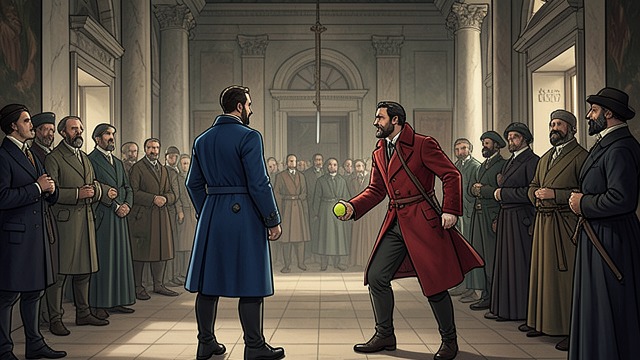
The Insult Repeated in France
Defiance renewed
The Dauphin admits that he sent the tennis balls because he wanted odds against England. Exeter delivers the king’s contemptuous answer and warns of retaliation.
The feud broadens
The exchange now takes place before the French court. Personal rivalry is absorbed into the kingdoms’ widening military conflict.
The Dauphin’s Confidence

The Dauphin’s Confidence
Boasts before action
The Dauphin praises his horse and imagines an easy defeat of the English. His confidence maintains the dismissive attitude that began with the tennis-ball insult.
A reputation at risk
The coming battle will test his self-image against actual performance. His courtly language now stands on the edge of a military reckoning.
A Rivalry Replaced by Terms
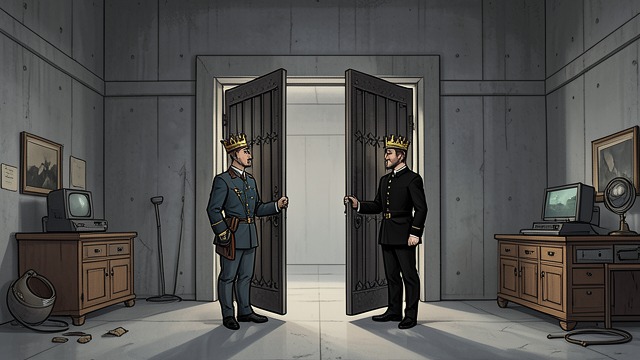
A Rivalry Replaced by Terms
The battlefield settles the dispute
The French defeat removes the Dauphin’s earlier confidence from the center of events. Diplomatic terms, not personal boasts, now determine the relationship between the crowns.
The crown’s future negotiated
The settlement concerns succession and Princess Katharine’s marriage. The original insult is superseded by a political arrangement with consequences beyond either prince’s pride.
At the English court, when the French ambassadors arrive
Immediately after the ambassadors depart
During Exeter’s audience at the French palace
The night before Agincourt
After Agincourt, at the peace negotiations
