
Immune Complexes and Identity
Hepatitis C in Renal Disease, Hemodialysis and TransplantationThis flow develops the theme that HCV disease is produced through the unstable relationship between viral identity and host immunity.
increasing Bearing strength in each event
 decreasing
Bearing strength in each eventdecreasingViral Antigen
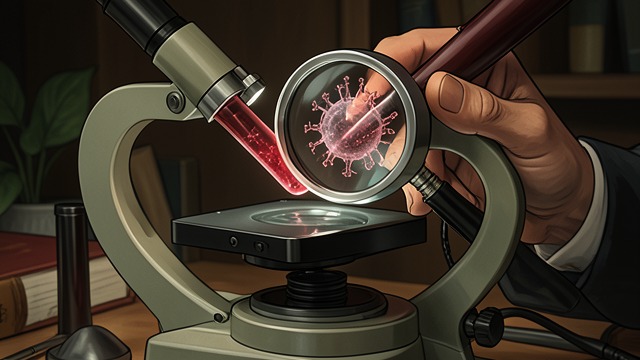
Viral Antigen
A persistent presence
HCV proteins and RNA can be detected in blood and, in some studies, renal structures. The virus provides the antigenic material around which immune responses organize.
Direct and indirect injury
The damage may not result from simple viral destruction of tissue. Instead, infection changes the immune environment that eventually harms glomeruli and vessels.
Immune Complex Formation
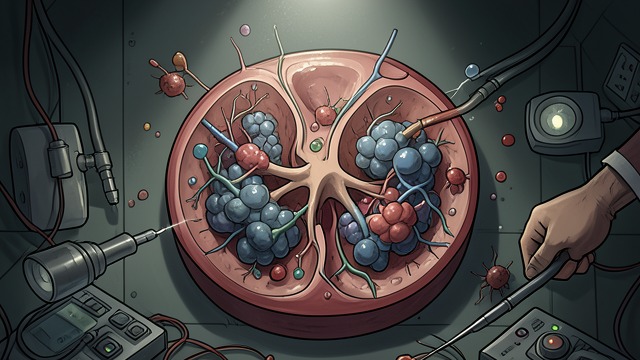
Immune Complex Formation
Antibody becomes pathogenic
HCV antigen, immunoglobulins, and rheumatoid factor form complexes that circulate and deposit in the kidney. Complement activation and vascular inflammation convert defense into injury.
A paradox of protection
The immune response attempts to control infection but produces Cryoglobulinemic vasculitis and glomerular damage. Pathology emerges from the body’s effort to protect itself.
TLR3 Amplification
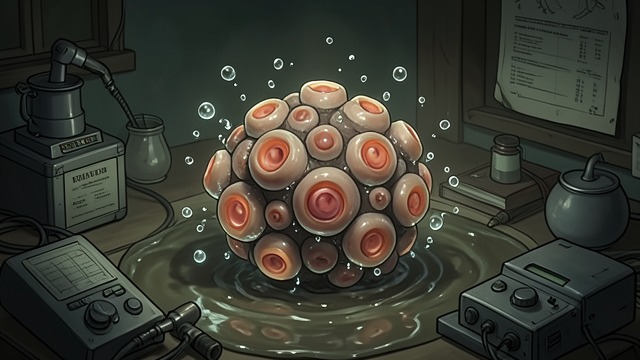
TLR3 Amplification
Innate recognition
TLR3 expression in mesangial cells may connect viral double-stranded RNA with local cytokine and chemokine production. The glomerulus becomes an active participant in inflammatory signaling.
From trigger to lesion
This mechanism helps explain why small amounts of viral material can produce substantial renal injury. It adds a molecular bridge between infection and structural disease.
during active HCV infection
during Mixed cryoglobulinemia
during proposed mesangial activation
