
The Patient with Cryoglobulinemia
Hepatitis C in Renal Disease, Hemodialysis and TransplantationThis flow follows the clinical trajectory from systemic immune symptoms to renal injury and targeted treatment.
increasing Bearing strength in each event
 decreasing
Bearing strength in each eventdecreasingSystemic Warning Signs

Systemic Warning Signs
Symptoms before biopsy
Purpura, arthralgia, Raynaud phenomena, neuropathy, and low complement may precede kidney disease by years. The patient’s body signals immune-complex activity before filtration visibly declines.
A missed opportunity
Because liver enzymes may be normal or only mildly abnormal, the warning can be disconnected from HCV. Recognition requires clinicians to read skin, nerves, blood, and urine as one pattern.
Renal Crisis
Renal Crisis
From proteinuria to failure
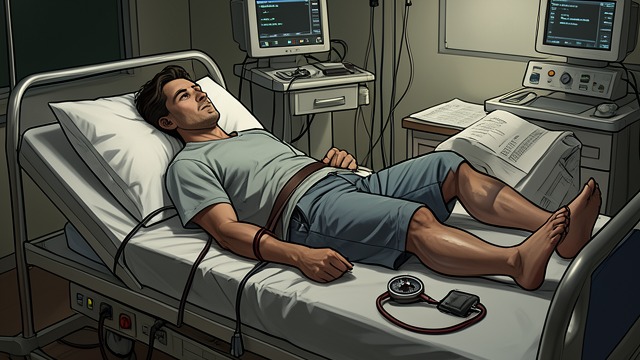
The patient may develop microscopic hematuria, nephrotic protein loss, hypertension, and declining filtration. Thrombi and vasculitis signal a more aggressive course.
Prognostic pressure
Older age, high cryocrit, low complement, recurrent purpura, and high creatinine increase the risk of End-stage renal disease. The disease has moved from systemic discomfort to organ-threatening crisis.
Combined Rescue
Combined Rescue
Treating cause and consequence
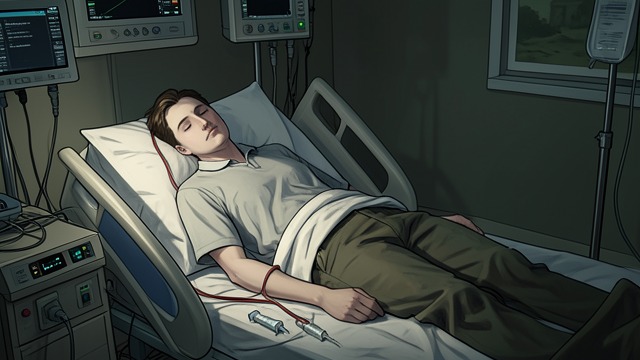
Moderate disease may receive antiviral therapy and renin-angiotensin blockade. Severe disease may require Rituximab therapy, Plasmapheresis, and corticosteroid pulses while viral treatment addresses the trigger.
Uncertain recovery
Proteinuria and cryoglobulins may fall, but anemia, infection, relapse, and persistent immune activity remain possible. Recovery is measured through several imperfect markers rather than one decisive cure.
before renal involvement
at onset of Cryoglobulinemic glomerulonephritis
during severe renal disease
