
Prevention Over Rescue
Hepatitis C in Renal Disease, Hemodialysis and TransplantationThis flow develops the theme that avoiding complications before transplantation is often more effective than treating them after they appear.
increasing Bearing strength in each event
 decreasing
Bearing strength in each eventdecreasingPreventing Transmission
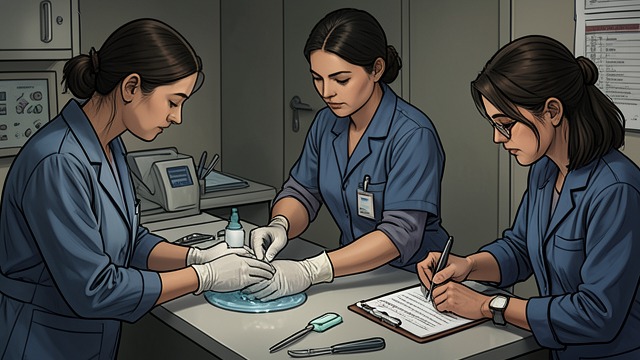
Preventing Transmission
Ordinary precautions
Hand hygiene, gloves, equipment disinfection, and audits prevent HCV transmission more reliably than dramatic isolation policies. Prevention is embedded in routine work.
Institutional meaning
The unit’s safety depends on collective behavior. Every staff member becomes part of the chain that either interrupts or enables infection.
Clearing Before Graft

Clearing Before Graft
A preventive cure
Antiviral treatment before transplantation can achieve Sustained virologic response and reduce the risk of HCV-related glomerulonephritis in the graft. It acts before immunosuppression changes the terrain.
Prevention as strategy
The intervention is justified not only by liver histology but by the future health of the kidney allograft. Cure becomes a form of transplant preparation.
Monitoring After Success

Monitoring After Success
Clearance is not disappearance
Patients with prior SVR may remain free of detectable virus, but follow-up testing confirms durability and identifies relapse. Kidney and liver surveillance continue even after virologic success.
Prevention remains active
The lesson is that prevention is not a single intervention. It is a continuing relationship among testing, graft assessment, metabolic care, and readiness to respond to new disease.
during dialysis-unit reform
during dialysis before transplantation
after transplantation in a patient with prior clearance
