
Preservation Against Transmission
Hepatitis C in Renal Disease, Hemodialysis and TransplantationThis flow follows the proposal that pulsatile perfusion can reduce viral burden in HCV-positive donor kidneys.
increasing Bearing strength in each event
 decreasing
Bearing strength in each eventdecreasingCold Storage Problem
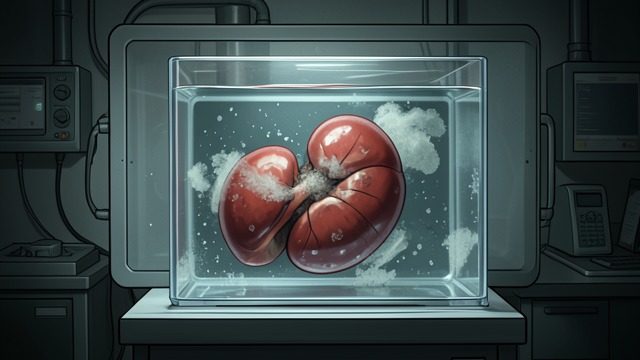
Cold Storage Problem
Viral burden in the graft
Preservation protects renal tissue but may leave viral material associated with the donated kidney. The organ can therefore remain a possible source of transmission after implantation.
A technical opening
If preservation could remove or reduce viral particles, it might complement recipient selection and donor testing. The challenge shifts from virology alone to organ engineering.
Pulsatile Perfusion
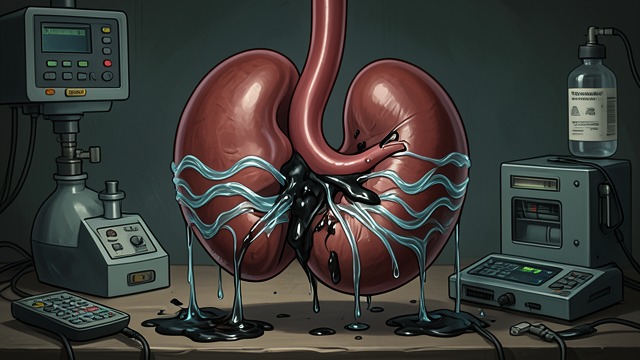
Pulsatile Perfusion
Washing the graft
Pulsatile perfusion is reported to reduce HCV viral load in procured kidneys. The technique offers a possible way to lower transmission without discarding the organ.
Evidence remains limited
The findings are promising but not definitive or consistently reproduced. Technical protection therefore supplements, rather than replaces, recipient screening and consent.
A Layered Safety Model
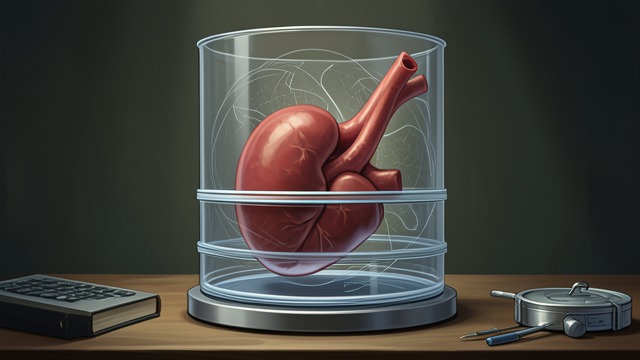
A Layered Safety Model
Combining safeguards
The strongest strategy joins nucleic acid testing, genotype awareness, informed consent, suitable recipient selection, and careful preservation. No single intervention can guarantee nontransmission.
From prohibition to management
Risk is converted into a set of controllable variables. This layered model permits organ use while preserving transparency about uncertainty.
early donor-organ practice
mid-1990s research period
around 2010
