
Freedom and Marriage
Her First Werewolf (BBW, Werewolf, Prince Charming, Fairy Tale Romance)This flow examines the story’s argument that marriage can either restrict a woman or become a vehicle for chosen independence.
increasing Bearing strength in each event
 decreasing
Bearing strength in each eventdecreasingMarriage as Obligation
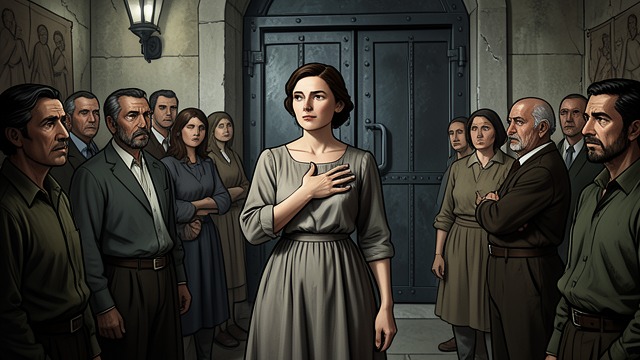
Marriage as Obligation
Social Expectation
Morgan presents marriage as necessary for a young woman’s safety and respectability. The village assumes that remaining unmarried is a form of danger.
Flora’s Resistance
Flora challenges the assumption by asking whether a wife may continue to read and think. Her question identifies autonomy as the issue beneath the marriage debate.
Marriage as Captivity
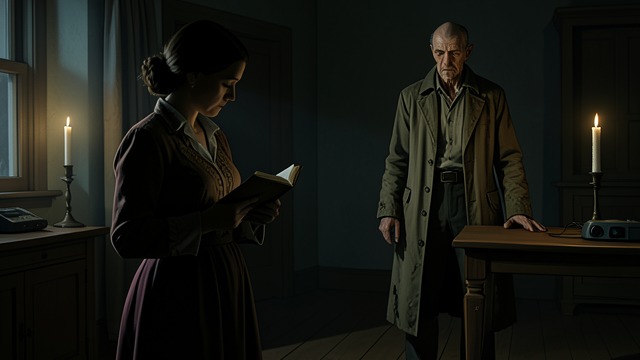
Marriage as Captivity
Fear of Repetition
Flora sees Morgan’s aging body and labor as a possible marital future. She worries that domestic dependence will consume the individuality her father encouraged.
Independence Idealized
Her refusal is partly a refusal of poverty and partly a refusal of gendered confinement. Freedom means retaining the ability to shape her mind and body.
Marriage as Desire
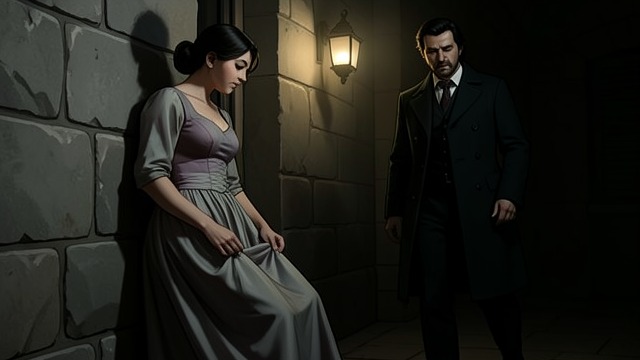
Marriage as Desire
Intimacy Before Contract
Flora experiences sexual attraction before any proposal exists. Desire arrives outside the social order Morgan trusts.
Risky Freedom
The encounter demonstrates that bodily autonomy can feel liberating while still exposing Flora to pregnancy and unequal power. Freedom is shown as exhilarating but not consequence-free.
Marriage as Choice
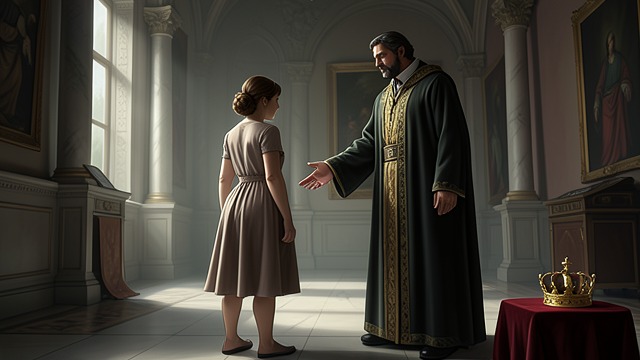
Marriage as Choice
Royal Permission
Charles explains that his unusual condition gives him freedom to choose a spouse. His statement contrasts with the constrained choices available to Flora.
Unequal Agency
The proposal is voluntary for Flora, but Charles possesses greater social power. The story’s ideal of choice therefore remains shaped by class and supernatural hierarchy.
Marriage as Partnership
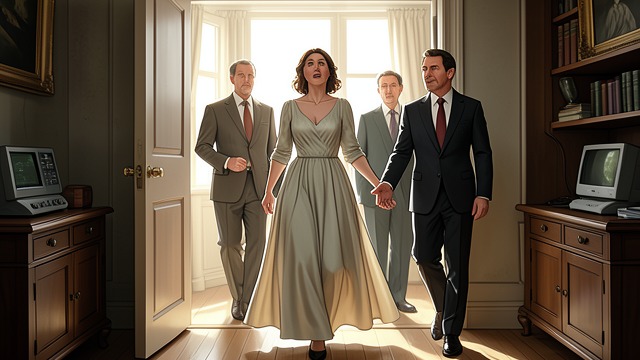
Marriage as Partnership
Family Included
Flora accepts only after confirming that her family can accompany her. Marriage becomes a relationship that expands her connections rather than severing them.
Autonomy Reframed
She does not reject marriage itself; she rejects marriage without choice. The conclusion proposes that freedom may survive within marriage when consent, affection, and personal priorities are recognized.
during Morgan’s warning
during Flora’s private reflection
during the clearing encounter
when Charles reveals his privilege
the final exchange
