
Chaim’s Public and Private Life
Here There Is No WhyChaim’s reputation as a survivor and theologian is gradually unsettled by private trauma, political choices, and harm within his closest relationships.
increasing Bearing strength in each event
 decreasing
Bearing strength in each eventdecreasingA Survivor’s Testimony
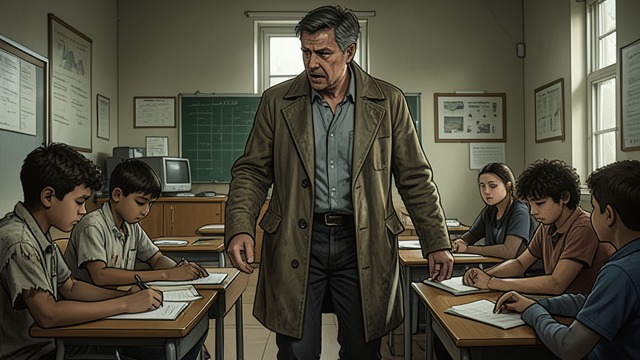
A Survivor’s Testimony
The teacher enters
Chaim greets his students with warmth, then asks why God permitted the murder of children. His shifting manner unsettles Judah while announcing that Holocaust theology will not be abstract.
A life of reprieve
Stories of thirst, stolen food, and small moments of beauty reveal how Chaim remembers survival without reducing it to either pure horror or easy redemption.
A Theology Takes Shape
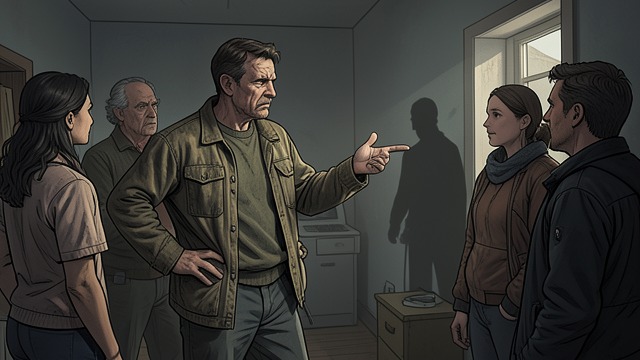
A Theology Takes Shape
The central dilemma
Chaim argues that omnipotence, benevolence, and evil cannot comfortably coexist. Rather than deny suffering or condemn God as cruel, he proposes that God wants to help but lacks unlimited power.
A public challenge
Our Imperfect God makes the argument accessible beyond academic theology. Its simple formulation becomes both Chaim’s most influential work and a source of conflict with religious authorities.
The Reconciliation Campaign
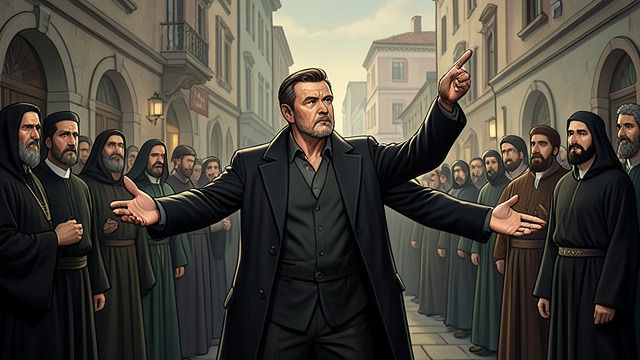
The Reconciliation Campaign
A difficult alliance
Chaim studies with Haredim and seeks a way to reconcile religious and secular Israelis. He treats disagreement as a route toward inquiry, even when his questions provoke sharp resistance.
Resistance grows
His public lectures also challenge religious leaders and settlers. The proposed reconciliation increasingly depends on confrontation, exposing how difficult it is to bridge theological and political divisions.
The Private Collapse
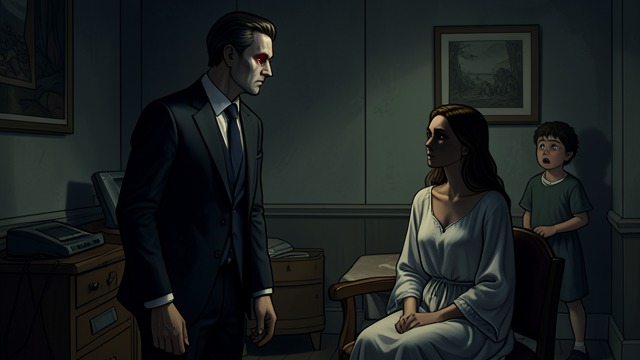
The Private Collapse
Trauma at home
Zehava describes recurring nightmares, medication, anger, and violence that Judah never witnessed. Chaim’s daytime warmth masks a private life that has become frightening to those closest to him.
Public standing, private harm
His charisma and growing fame coexist with affairs with students and worsening behavior. The gulf between public saint and private husband becomes central to the family’s later concealments.
The Last Fall
The Last Fall
Conflicting accounts
Chaim falls from his balcony after a confrontation with Michal, while Zehava later says she pushed him in self-defense during a separate confrontation. Both women conceal their involvement, and the police rule the death a suicide.
Reputation after death
The mystery allows Chaim’s public image to remain intact. Later interviews show that the death cannot be separated from the abuse, illness, and political pressures obscured by that image.
During Chaim’s first class in September 1982
Late 1982, during work on Our Imperfect God
Winter 1982–1983, during the Zohar sessions
During the years before May 1983
May 5, 1983, at Jeremiah Street
