
When Why Fails
Here There Is No WhyThe phrase “there is no why” changes from a guard’s instrument of cruelty into an unstable insight about trauma, love, and the human desire for explanation.
increasing Bearing strength in each event
 decreasing
Bearing strength in each eventdecreasingThe Guard’s Answer

The Guard’s Answer
A question punished
Chaim reaches for an icicle because he is desperately thirsty. When a guard knocks it away, he asks why and receives the answer that there is no why.
Meaning imposed by violence
The phrase means more than that the guard will not explain. It declares a world where power acts without moral reason, making the question itself dangerous.
A Classroom Thesis
A Classroom Thesis
A phrase remembered
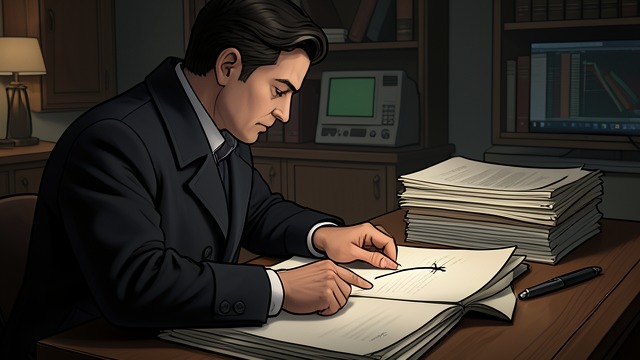
Chaim tells Judah the story and says the guard’s answer names the nihilism of Auschwitz. Judah first understands it as an absolute denial of moral meaning.
A question left open
Chaim admits he is not sure what the phrase ultimately answers. His uncertainty prevents a neat lesson and makes the phrase available for later events in the novel.
A First Love’s Answer

A First Love’s Answer
A futile question
Judah asks Michal why she loves Yoav more than him. She answers that sometimes there is no why, refusing to turn love into a reasoned calculation.
A phrase transformed
The same words that once signified brutal power now describe the limits of explanation in an intimate relationship. They do not comfort Judah; they name his inability to control another person’s choice.
A Father’s Answer

A Father’s Answer
An unanswered question
Hannah asks why Mary left no recording. Judah cannot offer a complete explanation and tells her that sometimes there is no why.
Words from elsewhere
He recognizes the phrase from Chaim’s story, though its meaning has moved from historical horror to family grief. It offers neither certainty nor relief, only an honest admission of what he cannot know.
Why Is Rejected
Why Is Rejected
A final response
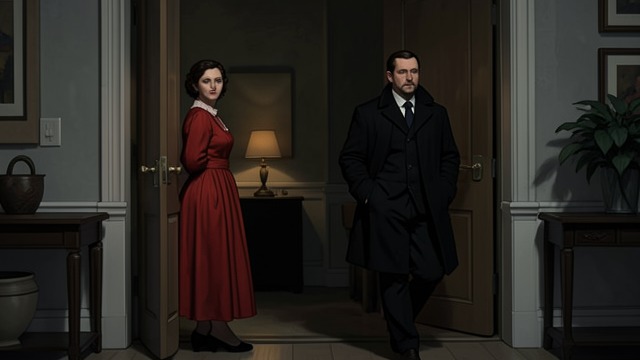
Judah reads Mary’s note and questions its brevity and its claim that the family knows why she had to act. Hannah tells him that why was never the right question.
Meaning beyond cause
Her answer does not invalidate Judah’s grief or erase the need to understand. It suggests that love and care can matter even when the reasons behind a death remain inaccessible.
Chaim’s first days in Auschwitz, recalled in 1982
September 1982, during Judah’s first lesson
April 1983, after Michal chooses Yoav
Around 2000, when Hannah asks about Mary
September 2023, after Hannah shares Mary’s note
