
The Cost of Being a Witness
Here There Is No WhyChaim’s writings and family history expose the moral tension between bearing witness to wrongdoing and protecting people whose lives are bound to the truth.
increasing Bearing strength in each event
 decreasing
Bearing strength in each eventdecreasingA Story Against Forgetting
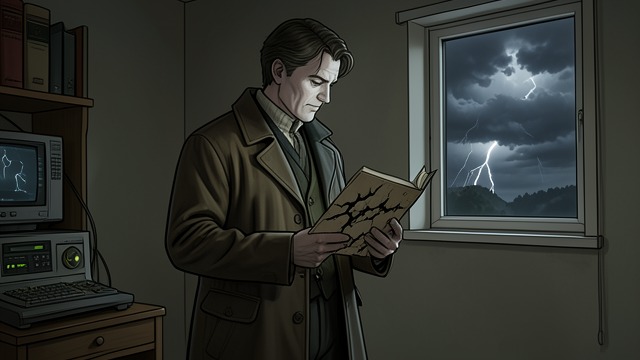
A Story Against Forgetting
Testimony as vocation
Chaim repeatedly returns to the Holocaust in memoir, fiction, and theology. His writing attempts to transmit an experience that resists ordinary explanation.
A burden for the witness
The act of making horror intelligible risks shaping it into a story that readers can consume. Chaim’s work asks whether testimony can preserve truth without making suffering seem resolved.
The Bystander’s Letter
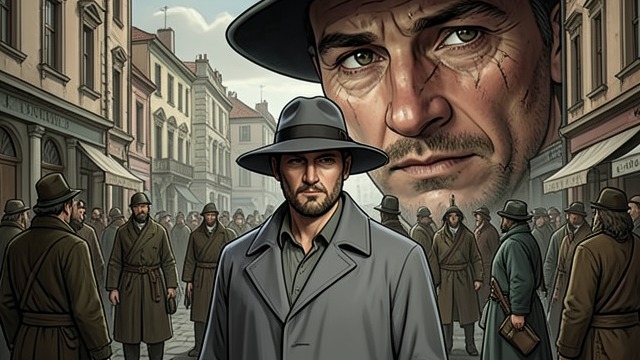
The Bystander’s Letter
A request for forgiveness
Otto Schiller writes to Chaim asking to meet and describing himself as a civilian supervisor who maintained some decency at Buna. Chaim scrutinizes his claims without accepting the language of self-excuse.
Decency after atrocity
Chaim’s unsent letter distinguishes preserving decency from restoring it. The distinction makes witness an ethical demand: acknowledging restraint is not the same as granting forgiveness.
A Son’s Accusation
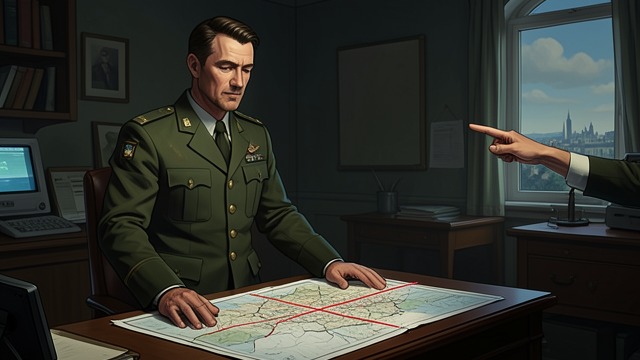
A Son’s Accusation
A charge against journalists
Yoav condemns reporters who distort the sequence of events at Sabra and Shatila. He insists that accounts should not falsely claim Israeli forces committed the massacre while also confronting their failure to intervene.
Precision as responsibility
His challenge refuses both propaganda and exoneration. The scene shows how testimony can become a political weapon, and how accurate chronology does not remove moral complicity.
A Confession Withheld
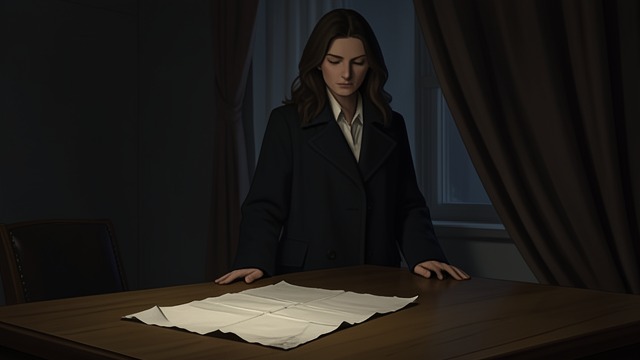
A Confession Withheld
Private truth, public silence
Zehava tells Judah what happened but asks him not to publish it. She argues that disclosure could destroy a rare opportunity for political negotiations.
Witnessing requires a choice
Judah cannot treat publication as a neutral act. Telling the truth might expose a killing and damage a political initiative; silence protects that initiative while denying readers crucial knowledge.
The Limits of the Record
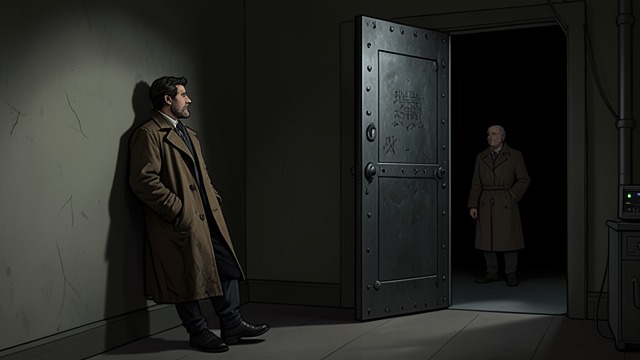
The Limits of the Record
Conflicting testimony remains
Michal and Zehava offer different accounts of the fatal struggle, while Charlie’s role in burying the case complicates the record further. Judah knows the death was not suicide but lacks a public adjudication.
The witness is implicated
He wrote a book that withheld what he learned. The novel therefore asks not only what witnesses owe the dead, but what a witness owes the living and what silence makes possible.
During Chaim’s postwar writing career
Around 1970, as recounted by Yoav in 2005
July 2005, during Yoav’s interview
July 2005, after Zehava admits the fall
September 2023, after Michal tells Judah the truth
