
Storytelling as Evidence
Here There Is No WhyThe novel repeatedly treats stories as ways to approach truth while showing how storytelling can distort, conceal, or make painful experience bearable.
increasing Bearing strength in each event
 decreasing
Bearing strength in each eventdecreasingChaim’s Classroom Performance
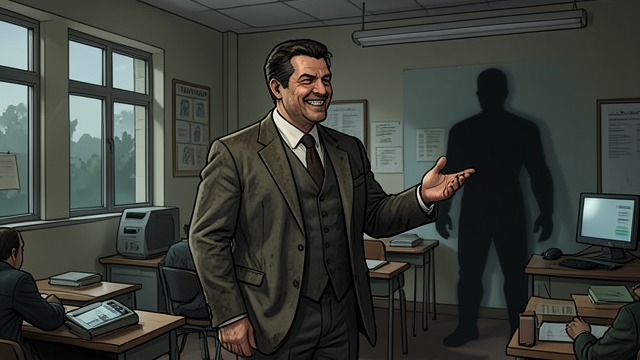
Chaim’s Classroom Performance
A shifting voice
Chaim turns from grandfatherly warmth to unsettling humor while describing Nazi violence. His style makes students feel both welcomed and implicated in the moral questions he raises.
Form carries meaning
The contrast between comic timing and horror challenges the audience’s expectations. Chaim’s storytelling refuses a simple separation between grief, memory, and the moments that keep a person alive.
A Sportswriter’s Lesson
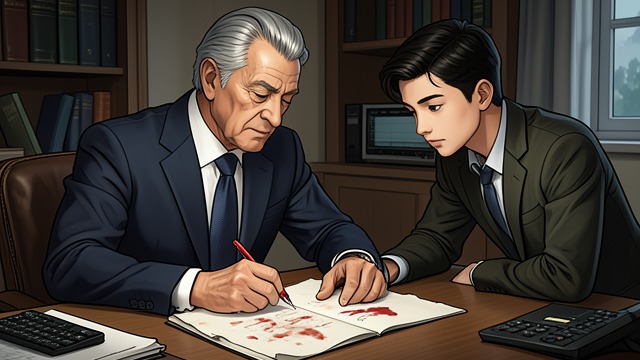
A Sportswriter’s Lesson
Plain language as craft
Chaim asks Judah to help make his theology read like clear, engaging journalism rather than academic prose. Judah cuts jargon and learns to value directness without abandoning evidence.
A method inherited
The editing work shapes Judah’s career and his later investigative voice. It also raises an irony: the writer skilled at rendering others’ stories will struggle to write the truth about the people he loves.
The Reporter’s Opening
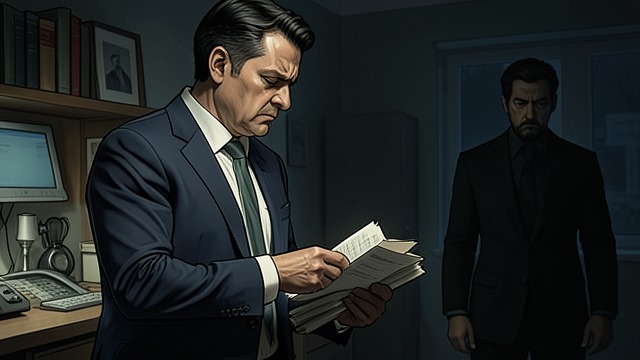
The Reporter’s Opening
A case arranged in arguments
Judah organizes evidence for and against suicide, giving the reader a structured inquiry rather than an immediate verdict. Each fact appears persuasive until another fact alters its meaning.
Uncertainty as method
The introduction exposes the difference between gathering evidence and claiming certainty. Judah’s professional discipline is repeatedly tested by personal memories that he cannot fully separate from reporting.
The Magic Eyeglasses
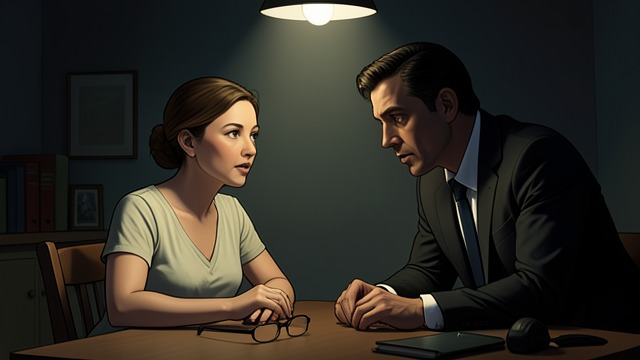
The Magic Eyeglasses
A tale performed
Hannah retells Chaim’s story of glasses that reveal only the best in things and a critic who sees only flaws. Her performance echoes Chaim’s own oral storytelling.
A reading of the reader
She interprets the critic as a Holocaust writer unable to live with either relentless memory or convenient forgetting. The interpretation is powerful because it speaks to the story, but it remains a hypothesis, not a recovered confession.
The Book Left Open
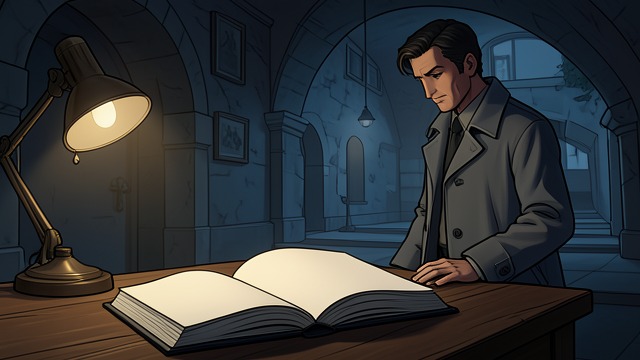
The Book Left Open
A narrative choice
Judah’s book presents Chaim’s ideas, public disputes, and private complexities while leaving the death’s final cause uncertain. He chooses not to disclose Zehava’s confession.
The reader inherits the question
The open ending is both literary form and ethical compromise. It preserves ambiguity, but it also reflects the author’s decision to withhold a truth from the public.
September 1982, during Judah’s first theology class
Winter 1982, while Judah edits the manuscript
2005, while Judah composes the book introduction
July 2005, during Hannah’s café interpretation
After the 2005 investigation, when Judah publishes
