
The Problem of Evil
Here There Is No WhyChaim’s theology develops as an attempt to preserve belief without denying evil, and its answers are tested by Holocaust memory and present-day violence.
increasing Bearing strength in each event
 decreasing
Bearing strength in each eventdecreasingThree Incompatible Claims
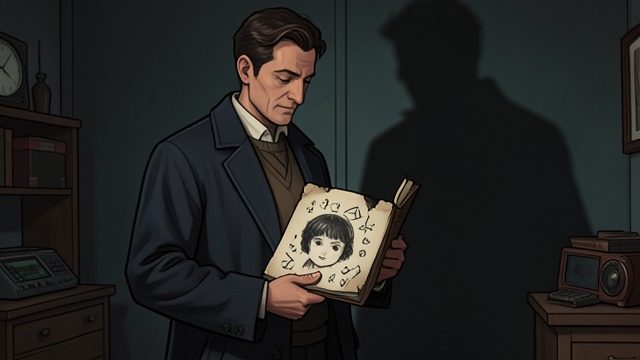
Three Incompatible Claims
The logical puzzle
Chaim reduces the theological problem to omnipotence, benevolence, and the existence of evil. If God can prevent suffering and wants goodness, he asks, why do innocents endure horror?
The lecture turns personal
His examples of murdered children make the puzzle impossible to treat as a classroom game. Judah sees that abstract theology in this novel begins with the concrete reality of mass violence.
The Banality of Goodness
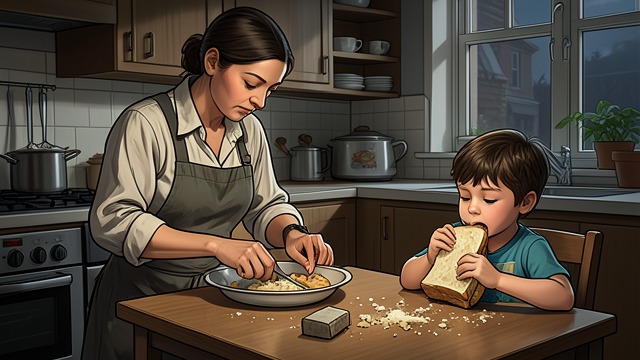
The Banality of Goodness
Ordinary life reconsidered
Chaim responds to Judah’s description of a supposedly banal American childhood by proposing a banality of goodness. Ordinary routines and modest conflicts can make space for questions and humane lives.
A counter to easy narratives
The idea resists the assumption that significance must come from heroic suffering or grand ideology. Judah initially understands little, but the conversation offers another way to think about moral life.
God’s Name as Inquiry
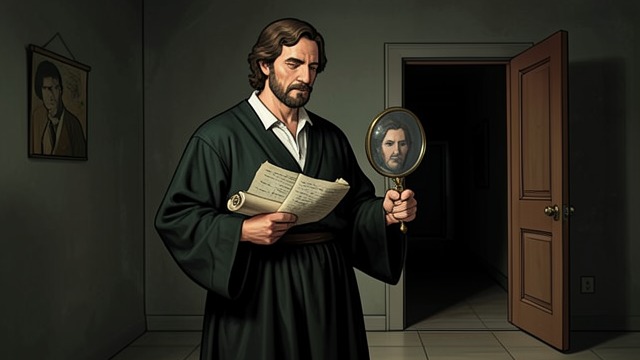
God’s Name as Inquiry
Questions in the text
Chaim explains a Zohar lesson that treats “Who” and “What” as names of God. The play on language makes theological inquiry itself a form of approach to the divine.
A limit named
Chaim asks whether “Why” should also name God, unsettling his religious companions. The question becomes a central tension between seeking explanation and accepting that some suffering may not yield one.
A Limited God

A Limited God
Love without omnipotence
Chaim proposes that God wants to help suffering people but cannot always intervene. This preserves divine compassion while refusing to explain atrocity as deserved or secretly beneficial.
Comfort and cost
For some, the idea rescues faith after the Holocaust; for others, it makes God weak or unworthy of worship. The theory’s emotional consequences are as important as its logical elegance.
The Question Reaches Judah
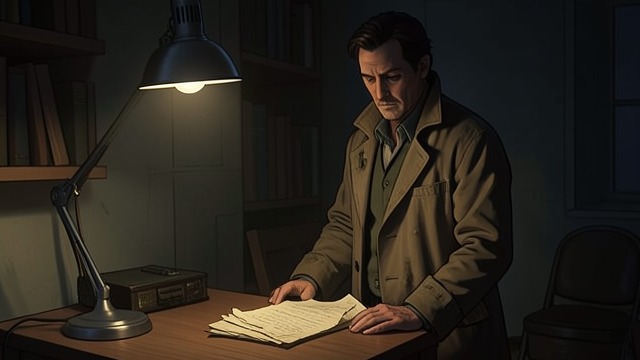
The Question Reaches Judah
An inadequate explanation
Mary’s short note gives Judah no complete account of why she believed she had to die. He objects to its instructions and remains troubled by the choices she made.
A changed inquiry
Hannah says why was never the right question. The statement does not settle the theology of suffering; it shifts attention toward love, care, and the limits of explanation.
September 1982, in Chaim’s first lecture
September 1982, during the first Shabbat dinner
December 1982, after the Zohar study session
During the publication of Our Imperfect God
September 2023, after Hannah reads Mary’s note
