
The Book That Became a Mystery
Here There Is No WhyJudah’s planned biography changes shape as each new account complicates the question of whether Chaim’s death was suicide, accident, or murder.
increasing Bearing strength in each event
 decreasing
Bearing strength in each eventdecreasingA Suicide Proposal
A Suicide Proposal
The original question
Judah has long wondered whether Chaim killed himself and, if so, whether Holocaust trauma or theology contributed. His proposal grows from rereading Our Imperfect God and remembering their conversations.
A market opens
When a documentary renews public interest in Chaim, publishers reconsider Judah’s rejected proposal. The book becomes viable, but its central premise risks turning a complicated death into a tidy theory.
Evidence Against Suicide
Evidence Against Suicide
The case for doubt
Judah lists the missing note, Chaim’s injured knee, his future plans, and the accounts of his cheerful final days. Together, these details make suicide look less certain than the official ruling suggests.
Doubt remains limited
He also recognizes that none of these facts disproves suicide. Depression, pain, and private despair can coexist with planning and warmth, so his introduction keeps the question open rather than resolving it.
The First False Solution
The First False Solution
A story as a message
Hannah interprets Chaim’s short story The Magic Eyeglasses as a disguised suicide note. Its critic cannot live with either a world seen only through horror or a world that hides horror.
A persuasive hypothesis
The reading links Chaim’s writing to Holocaust fatigue and the public’s desire to look away. It gives Judah a compelling chapter, but not proof that the story explains Chaim’s death.
The Moral Explanation
The Moral Explanation
Yoav’s account
Yoav argues that Chaim could not live with the moral burden of his son’s killing of two boys in Lebanon. He connects the deaths to Chaim’s own writings about bystanders and ethical responsibility.
One explanation among many
The story gives the suicide theory emotional force, but Yoav’s interpretation is shaped by guilt and family history. It cannot settle whether Chaim died by his own choice or another person’s action.
The Story’s Unanswered Why
The Story’s Unanswered Why
A death concealed
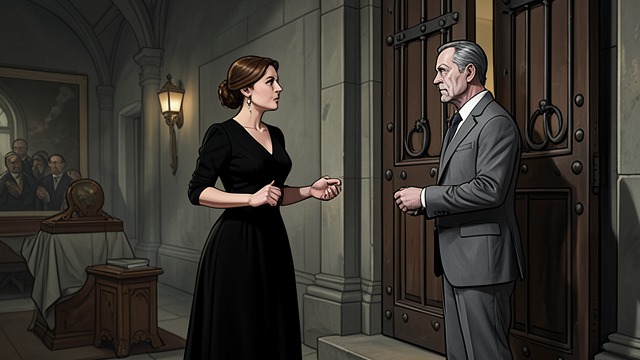
Judah accepts Charlie’s deal and publishes a biography that leaves Chaim’s death unresolved. He withholds the evidence against Zehava rather than expose her confession during a hoped-for peace initiative.
A later reckoning
At Zehava’s funeral, Michal confirms what Judah already inferred: Chaim did not kill himself. The book’s open ending reflects both a factual uncertainty about the final seconds and Judah’s decision not to publish what he learned.
Three years before the 2005 journey
2005, in Judah’s published introduction
July 2005, after Hannah’s interview with Kamal
July 2005, during the Shabbat dinner interview
Near the end of Judah’s 2005 investigation
