
Zehava’s Political Ascent
Here There Is No WhyZehava’s lifelong commitment to Israel’s political future intersects with her family’s private crisis and culminates in a difficult choice about disclosure.
increasing Bearing strength in each event
 decreasing
Bearing strength in each eventdecreasingA Journey from Kansas
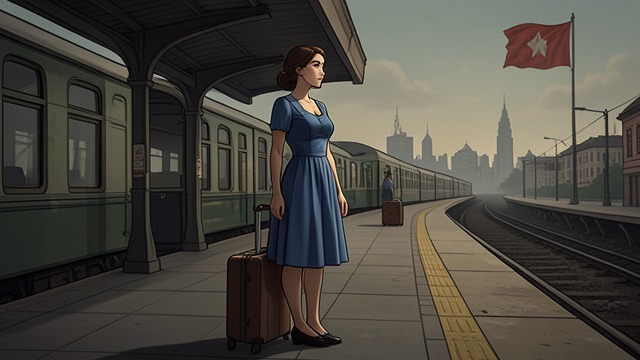
A Journey from Kansas
Leaving the familiar
Zehava leaves Kansas City as a teenager, seeking a place she imagines as a refuge and center of Jewish life. Her move expresses both idealism and a desire to escape what she sees as mediocrity.
A national commitment
That early choice shapes her identity as an Israeli patriot and future political leader. Her attachment to the state will later complicate her judgments about war, occupation, and family loyalty.
Marriage and Ambition
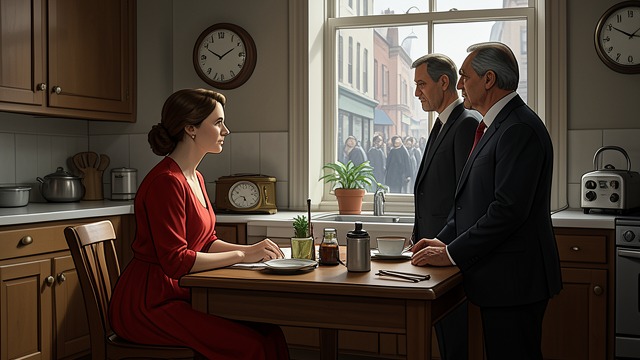
Marriage and Ambition
Love and public life
Zehava falls in love with her professor Chaim, while building a political career that takes her away from home. She describes a marriage containing affection, distance, and unspoken resentment.
A divided household
Chaim’s trauma and her public commitments place pressure on family life. Her growing political stature does not protect her or Yoav from his private volatility.
A Mother’s Fear
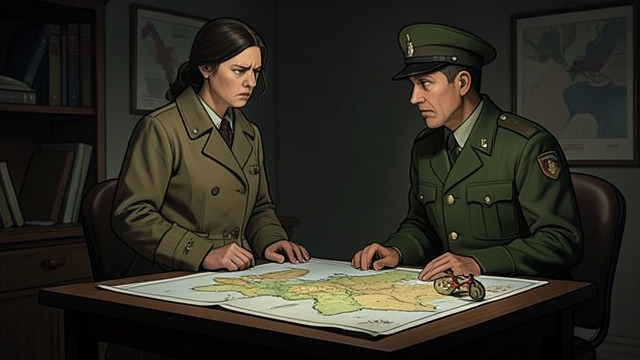
A Mother’s Fear
War enters the family
Yoav serves in Lebanon, and Zehava worries about what the war may demand of him. Her arguments with Chaim expose incompatible responses to the invasion and to the country’s responsibility.
A political and personal burden
She supports the war’s aims more than Chaim does, yet neither position protects their son. The family’s politics become inseparable from the fear of what military service might make Yoav do or endure.
The Concealed Death
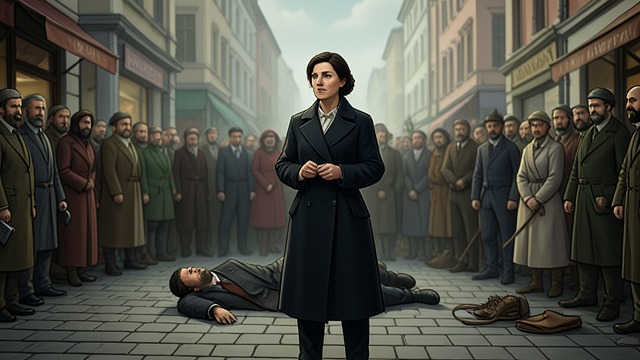
The Concealed Death
An account withheld
Zehava tells the police that Chaim jumped and supports the family’s public account. In her later telling, she had pushed him during a violent confrontation and feared that the truth would destroy her career.
Protection and self-interest
She also shields Michal, whom she considers a daughter. Her silence protects both women and preserves Chaim’s public image, but it leaves the death officially misunderstood for decades.
The Unpublished Confession
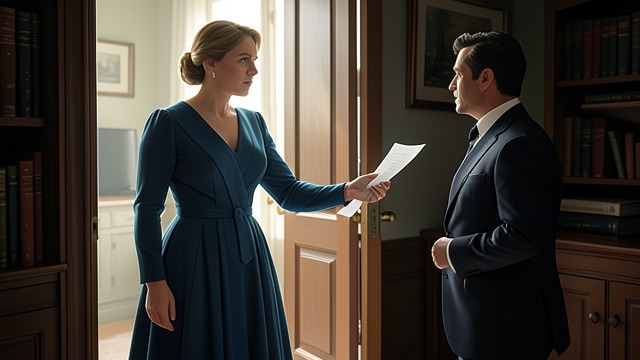
The Unpublished Confession
A plea for restraint
Zehava admits her role to Judah but asks him not to publish, arguing that disclosure could undermine negotiations and the possibility of peace. Her appeal mixes national purpose with an urgent wish to avoid personal disgrace.
A political future preserved
Judah accepts Charlie’s deal and leaves the killing out of his book. Zehava later dies with her reputation largely intact, while the truth survives privately in the memories of those involved.
1953, when Zehava makes aliyah
Before and during the early years of her marriage
1982, after Yoav’s deployment to Lebanon
May 5, 1983, after Chaim falls
July 2005, before Zehava joins the government
