
The War Enters the Family
Here There Is No WhyThe Lebanon War shifts from distant political argument to direct moral injury, shaping Yoav’s guilt, Chaim’s anguish, and Judah’s changing view of Israel.
increasing Bearing strength in each event
 decreasing
Bearing strength in each eventdecreasingA War on the Horizon
A War on the Horizon
The soldier’s departure
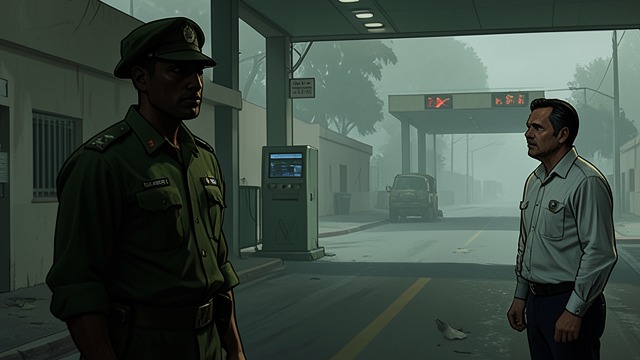
Charlie prepares for reserve duty near Bethlehem while Israel has invaded Southern Lebanon. Judah is fascinated by the weapons and danger but remains physically and morally distant from the war.
Different exposures
Charlie’s service and Judah’s civilian curiosity establish an imbalance between them. War is an everyday obligation for one and an unsettling spectacle for the other.
The Massacre Argument
The Massacre Argument
A question disrupts dinner
Judah asks whether Sabra and Shatila has a why. Zehava rejects his framing, while Chaim challenges her claim about the government’s responsibility.
Family fear breaks through
Their political dispute stops when they reveal that Yoav is stationed nearby. The argument becomes an intimate expression of fear for a son, not merely a debate over policy.
Yoav’s Shooting
Yoav’s Shooting
A deadly misreading
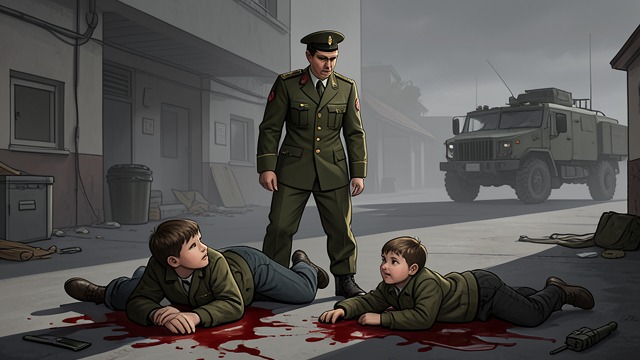
Yoav fires at what he believes are armed fighters and kills two ten-year-old boys. The army investigates, and he is held in a military hospital.
A family wound
The event gives Chaim’s opposition to the war a personal focus and leaves Yoav with enduring guilt. Its meaning remains contested: accident, responsibility, trauma, and the conditions of military service overlap.
Chaim’s Political Break
Chaim’s Political Break
A public condemnation planned
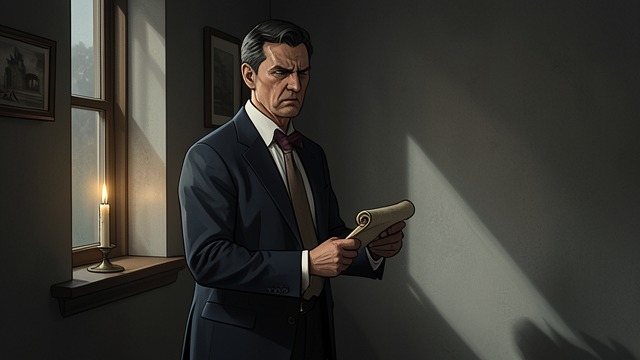
Chaim prepares a statement against the war and its direction. His political criticism surprises people who had understood him chiefly through theology and Holocaust testimony.
Moral language sharpened
For Chaim, the conflict raises questions about Jewish power, bystanders, and the danger of becoming a perpetrator. The language of history intensifies the disagreement without making its political implications easy to resolve.
The War Remembered
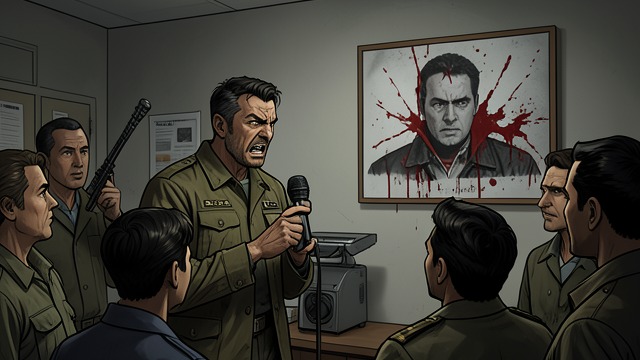
The War Remembered
A son challenges the press
Yoav recounts the killing of two boys and attacks journalists for simplifying Sabra and Shatila. He insists that factual precision matters even when the morally disturbing outcome is not in dispute.
No clean innocence
His account rejects easy comparisons while acknowledging that Israeli soldiers stood by as atrocities occurred. The war’s legacy persists as a conflict over responsibility, not a settled lesson.
September 1982, during Charlie’s first reserve duty
September 1982, during the Shabbat dinner
1982, during Yoav’s service in Southern Lebanon
1982–1983, after the Lebanon invasion
July 2005, during Yoav’s interview
