Mount Herzl Cemetery
Here There Is No WhyMount Herzl Cemetery is the burial ground reserved for Israel’s most important dignitaries, but in the novel it is also a place where public commemoration narrows into private encounters. At Zehava Lerner’s funeral, state ceremony gathers mourners around her grave; afterward, a path through the cemetery leads Judah Loeb away from the crowd and back to Michal, and to the headstone of their friend Charlie.
Setting and Memorial Landscape
Judah and Hannah Loeb arrive by taxi for Zehava’s funeral and walk slowly toward the grave. The cemetery’s standing as a national memorial site is made visible in the route Hannah later takes with her father, past the tombs of David Ben Gurion, Zalman Shazar, Golda Meir, and Theodore Herzl. The grounds hold the memory of political leadership in physical form, placing Zehava’s burial within a landscape of public honor.
The funeral crowd numbers in the hundreds, perhaps thousands. It is late September, cool and sunny, while armed soldiers protect the site. These details make the cemetery both a place of mourning and a guarded national space: visitors gather close to grieve, under the visible security that accompanies a major public ceremony.
Zehava’s Funeral
The service is brief despite the scale of attendance. The eulogies are delivered in Hebrew, and Hannah, now fluent, whispers translations to her father. The first speaker recalls Zehava’s early years in politics with humorous stories. Israel’s prime minister, defense minister, and opposition leader are present, and the president’s address draws tears from the crowd and from Hannah.
After the president’s eulogy, a crane lowers Zehava’s shrouded body into the grave. A cantor sings a few prayers, and the service ends after about thirty minutes. The quick conclusion contrasts with the number of mourners and the emotional weight of the speeches: the public ritual is concentrated, and then the crowd disperses.
A Private Meeting Among the Graves
After the funeral, Judah suggests finding Michal, who had been standing beside Yoav Lerner in the front row. Hannah knows where Michal is, but explains that Michal wants to speak to her father alone. She leads him up the hill, away from the grave and past the tombs of national leaders, until they reach a narrow path and a stand of tall pine trees. The shift from crowded ceremony to a secluded corner of the cemetery gives their meeting a deliberately private setting.
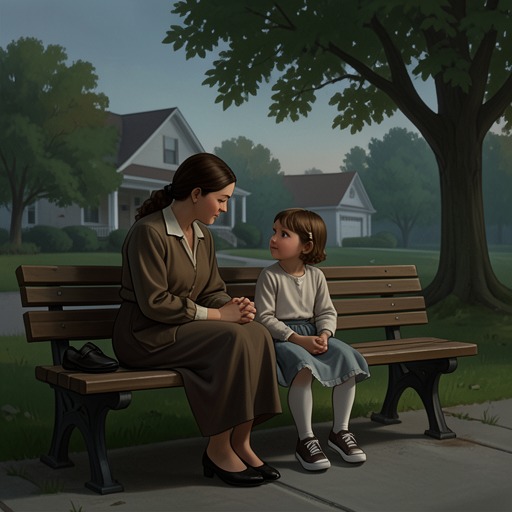
Judah finds Michal sitting on a bench. At first he sees only an unfamiliar grieving older woman; recognition returns as he looks more closely and sees the friend he remembers from forty years earlier. Instead of greeting him, Michal points to a headstone. It is Charlie’s. She notes that he would have been honored to be buried among prime ministers and presidents, and now beside Zehava. The cemetery thus joins the state’s prominent dead with the personal losses that have shaped Judah’s life.
Narrative Significance
The cemetery’s two registers—national commemoration and private remembrance—meet in the movement of the scene. The funeral places Zehava before a vast public audience, while the walk beneath the trees brings Judah to a conversation that could not take place at the graveside. The same grounds accommodate speeches, soldiers, ritual prayer, family grief, and the rediscovery of an old friendship.
Charlie’s headstone makes that overlap especially pointed. The cemetery is not only a resting place for public figures: it also gives a place among them to a friend whose life ended in political violence. By locating Judah and Michal’s reunion there, the novel makes the memorial landscape a setting where the dead remain present through names, stories, and the relationships of those who return to remember them.