
Occult Signs and Ordinary Evil
Hide and SeekOccult imagery misdirects the inquiry, while the novel relocates evil from supernatural ritual to human choices and institutions.
increasing Bearing strength in each event
 decreasing
Bearing strength in each eventdecreasingA Ritual Appearance
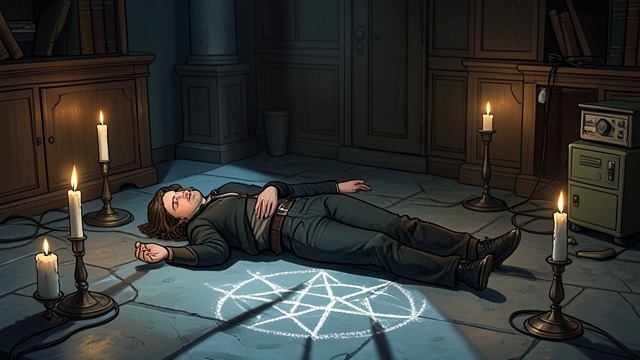
A Ritual Appearance
Signs around a death
Candles and a pentagram surround Ronnie McGrath’s body, giving an apparent overdose the atmosphere of a deliberate ceremony.
The symbols are compelling because they invite a story before the evidence has been tested.
Rebus Resists Certainty
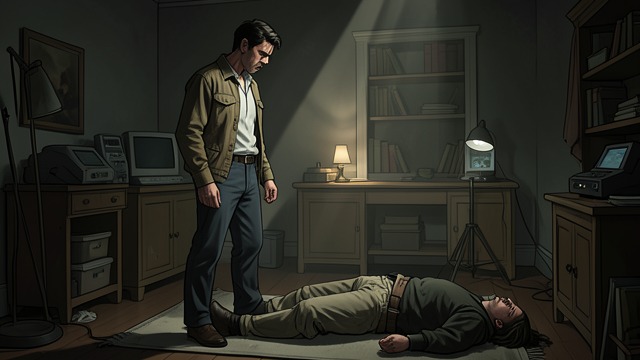
Rebus Resists Certainty
A skeptic's caution
John Rebus refuses to accept the young constable’s suggestion that the scene proves witchcraft, even as he remains unsettled by its composition.
His doubt is not a dismissal of evil; it is a refusal to confuse theatrical signs with a proven cause.
A Lecturer's Context
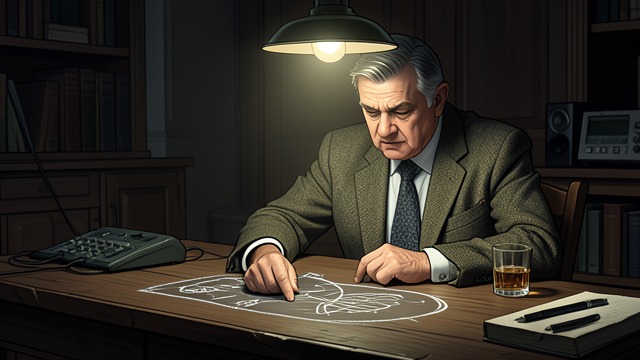
A Lecturer's Context
Occultism questioned
Dr Poole explains that practiced occult groups exist, but warns that a staged body and an overdose do not establish a genuine sacrifice.
The conversation gives Rebus context while weakening the most sensational interpretation of the evidence.
The Explanation Turns Human
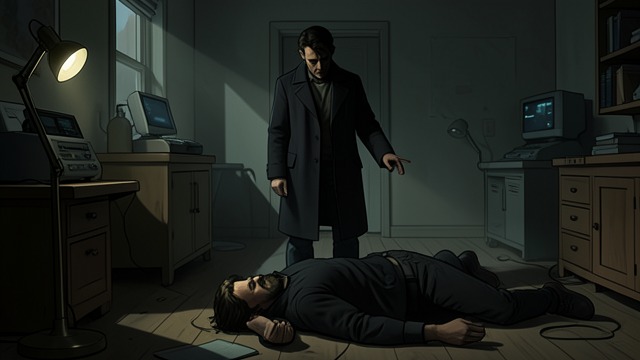
The Explanation Turns Human
Symbols as camouflage
Matthew Vanderhyde explains why the tableau does not resemble an authentic sacrifice, suggesting that someone rearranged the body after death to confuse observers.
The supernatural possibility recedes as greed, concealment, and ordinary human calculation become more persuasive.
Evil Without Magic
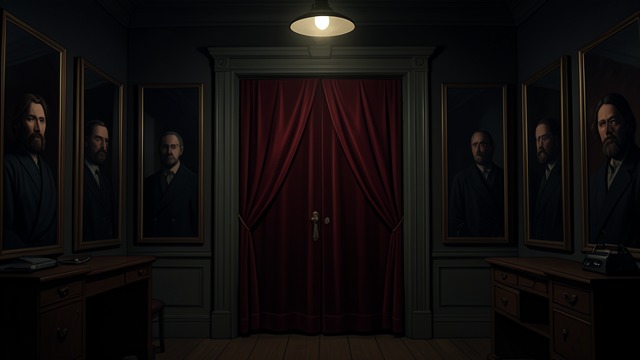
Evil Without Magic
A real-world horror
John Rebus finds Hyde’s Club, where powerful spectators have arranged violence and exploitation without needing supernatural forces.
The contrast reveals that occult imagery can distract from the more consequential evil committed through money, secrecy, and deliberate cruelty.
Monday morning
Monday afternoon
Tuesday afternoon
Thursday afternoon
Friday night
