
Concealment as a Civic Habit
Hide and SeekPrivate secrets, false accounts, and public evasions connect the novel’s personal betrayals to its institutional cover-up.
increasing Bearing strength in each event
 decreasing
Bearing strength in each eventdecreasingA False Scene
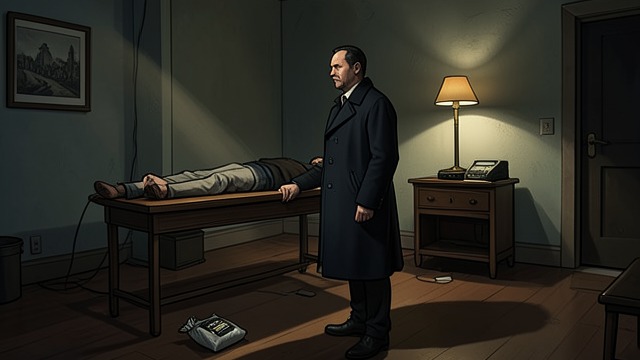
A False Scene
Concealment begins
Ronnie McGrath’s body is moved, clean heroin is placed nearby, and the room is given the appearance of occult ritual.
Each intervention supplies a misleading explanation, making concealment not a single lie but a set of carefully layered impressions.
A Brother Kept Secret
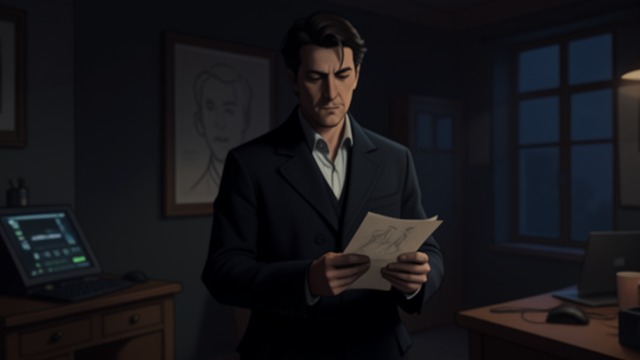
A Brother Kept Secret
Hidden identity
Neil McGrath has concealed his relationship with Ronnie from the squatters and has followed John Rebus rather than approach him openly.
His silence protects family privacy but delays the investigation, showing how shame and fear can obstruct even loving intentions.
A Convenient Accusation
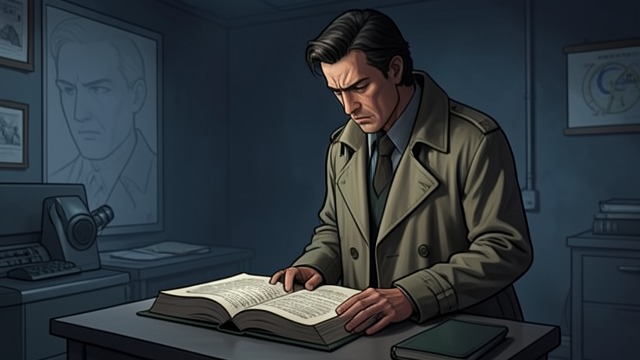
A Convenient Accusation
Rebus discredited
James turns John Rebus’s undocumented payment into a sexual allegation, and the department must formally remove the inspector from the case.
The false account works because it attaches itself to a real procedural lapse, exposing the danger of truth handled carelessly.
An Officially Small Scandal
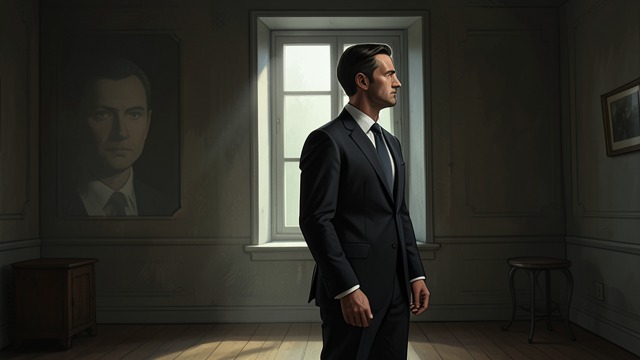
An Officially Small Scandal
The public narrative
The official story describes the deaths and the club as separate events, declining to expose the full collection of clients and crimes.
The narrative protects institutions by narrowing what can be said, even when John Rebus and a small circle know the larger truth.
Secrets in Rebus's Hands
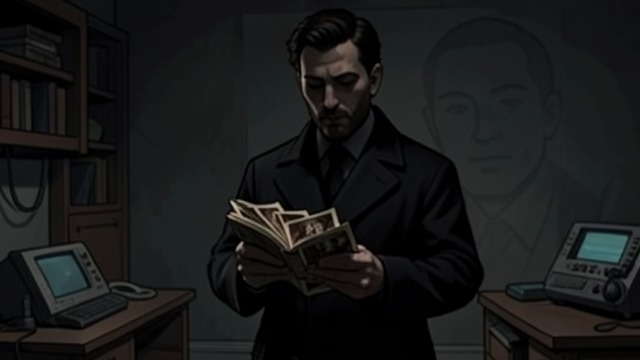
Secrets in Rebus's Hands
The pattern repeats
John Rebus keeps copies of photographs that could identify influential participants, preserving evidence outside the official process.
His private archive makes him both a witness to concealment and a possible custodian of leverage, repeating the moral pattern he set out to oppose.
Before Monday morning
Wednesday night
Friday morning
After Saturday morning
Several nights after the scandal
