Rebus’s guilt over Hyde’s
Hide and SeekRebus’s guilt over Hyde’s Club is bound to both a personal betrayal and a larger moral crisis: he secretly took a photograph of Tony McCall from Finlay Andrews’s office, then kept returning to images of influential people implicated in the club’s scandal. His private handling of the photographs makes his guilt concrete, while his uncertainty about exposing them leaves him caught between concealment and consequences.
The scandal and its stakes
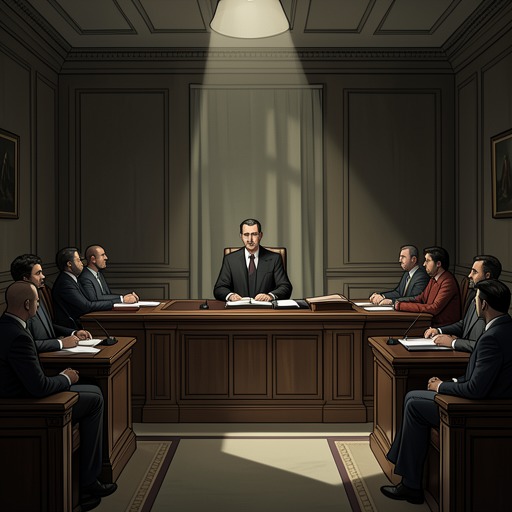
Rebus had set out to clear up a murder and instead found himself facing a network of influential people. When he recounts what he has learned to Superintendent Watson, the discovery of video film and a substantial collection of still photographs makes the potential reach of the scandal harder to dismiss. Some faces mean nothing to Rebus; others are recognizable. Andrews, Rebus reflects, had been right about judges and lawyers. The possibility that reputations could fall troubles him less as a matter of status than as a threat to public confidence in the city’s and country’s institutions. He wonders whether the truth will emerge at all and how long it would take to repair the damage.
The physical and civic injuries sit together in Rebus’s thoughts: he examines his bandaged wrist while wondering how long the wounds will take to heal, and imagines public faith as a broken mirror whose pieces may be difficult to gather. The image links his own hurt to a wider crisis, without suggesting that either can be quickly repaired.
The photograph he took
Rebus’s guilt has a precise source. At James Carew’s flat, he had been tempted to take Carew’s private diary for himself, but resisted. At Hyde’s Club, however, he was alone in Andrews’s office and stole a photograph of Tony McCall. The distinction matters: Rebus remembers a moment when he did refuse the temptation to appropriate private evidence, but that earlier restraint did not prevent a later breach of trust.
Tony was Rebus’s friend and colleague; by the time Rebus reflects on the theft, he feels that they have little in common except a sense of guilt. The photograph therefore carries more than the significance of one image among many. It connects Rebus’s private act to the damaged friendship and to the evidence around Hyde’s Club, making the scandal something he has not merely investigated but personally entered.
Repetition and the unresolved choice
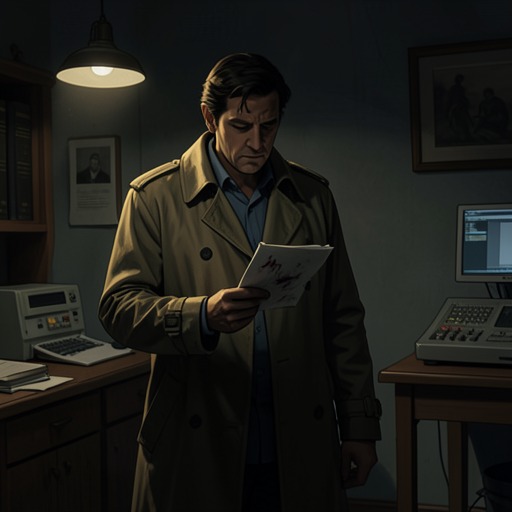
The guilt returns at night. Rebus takes a slim file from a locked cabinet, whose key is hidden beneath the carpet, and studies four photographs he had taken along with Tony’s. He recognizes the faces and associates them with names, handshakes, and voices; they belong to people with influence. He has thought about these images repeatedly since the night at Hyde’s Club, and studies them on the nights when sleep eludes him. Their recurrence makes the photographs a private record of what he knows and what he has done with that knowledge.
He places the four photographs in a metal wastepaper bin and lights a match above them, a gesture he has made many times before. The passage does not confirm that he burns them. Instead, it leaves the choice suspended: he has kept the images, revisited them, and repeatedly approached their destruction without resolving what should happen to them. That hesitation gives his guilt its lasting force. Rebus fears both the harm that exposure could cause and the damage already done by the concealment surrounding Hyde’s Club.