
The Education of the Outsider
Hillbilly ElegyThis subplot traces J.D. Vance’s encounters with elite institutions and the cultural codes that accompany his academic rise.
increasing Bearing strength in each event
 decreasing
Bearing strength in each eventdecreasingThe First Yale Shock
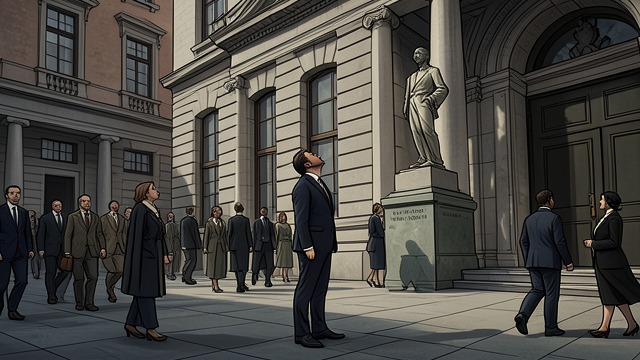
Entering an Unfamiliar World
Institutions as spectacle
J.D. Vance encounters famous visitors, historic buildings, and classmates whose ordinary assumptions feel extraordinary to him. Yale resembles a place he has imagined but never expected to inhabit.
Competence beneath awe
He worries that the school will expose him as an intellectual fraud, yet he generally holds his own in class. His anxiety and ability coexist.
The shock lies less in academic impossibility than in the distance between his expectations and the institution’s social world.
The Writing Rebuke

Proving He Can Learn
A harsh evaluation
A professor criticizes J.D. Vance’s writing as badly constructed. The critique confirms his fear that he may not belong.
A response through revision
He works to improve rather than treating the criticism as proof of permanent inability. By the end of the term, the professor calls his work excellent and reconsiders assumptions about state-school students.
The exchange turns humiliation into evidence that skill can change with effort and feedback.
A Meal of Hidden Codes

Learning the Dinner Rules
An unfamiliar table
At a recruiting dinner, J.D. Vance misreads sparkling water, wonders about the utensils, and feels conscious of every detail. A call to Usha Vance helps him navigate the meal.
The actual test
He realizes the dinner is not only about legal ability but also about social ease and belonging. His classmates appear to know a code he has never been taught.
The night makes cultural capital visible as a practical advantage rather than an abstract concept.
Networks Behind the Interview
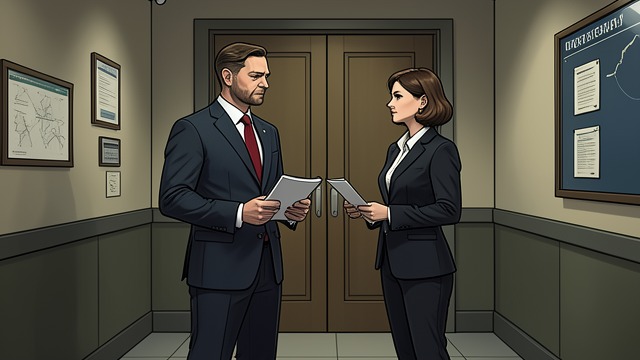
Access Before Performance
An unexpected safety net
J.D. Vance flubs a question about why he wants to work at a law firm. A recommender privately assures the firm that he is promising.
The unequal starting line
He recognizes that classmates receive interviews and advice through school networks and family connections. Strong performance matters, but access shapes who gets the chance to perform.
The recruiting process teaches him that careers are built through relationships as well as résumés.
The Mentorship Dividend

Learning Which Doors Matter
Advice with consequences
Amy Chua explains the value of journal membership and later warns J.D. Vance against pursuing a demanding clerkship solely for prestige. Her guidance helps him understand unfamiliar career choices.
A chosen path
He withdraws the application and prioritizes his relationship with Usha Vance. Later, he and Usha pursue clerkships together near his home region.
Mentorship matters not just because it opens doors, but because it helps him decide which doors not to enter.
first semester at Yale Law School
during J.D. Vance’s first year at Yale Law School
during law-firm recruiting at Yale
during the Fall Interview Program
during the second and third years of law school
