
The Afterlife of Childhood Trauma
Hillbilly ElegyThis theme thread connects J.D. Vance’s childhood instability with his adult stress responses and gradual efforts to recognize inherited patterns.
increasing Bearing strength in each event
 decreasing
Bearing strength in each eventdecreasingThe Land-Mine Childhood
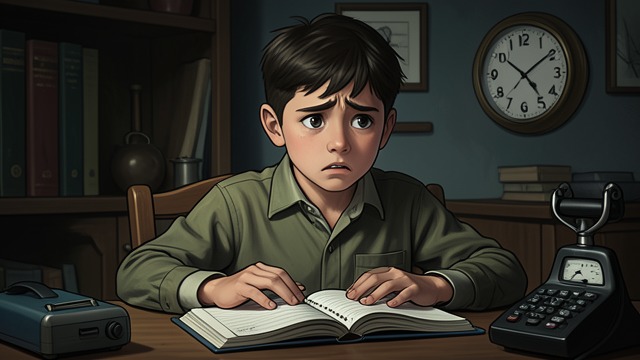
Growing Up on Alert
Conflict at home
J.D. Vance lives around arguments, threats, and abrupt changes in household arrangements. He learns to monitor small signs that could predict another eruption.
Bodily consequences
Stomachaches, weight gain, tiredness, and slipping grades accompany the strain, although he initially misunderstands their cause.
The body registers instability before the child has language to describe it.
Safety Without Amnesia
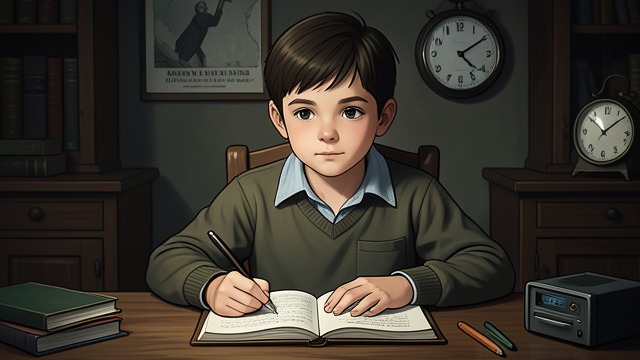
Calm Changes the Conditions
A stable household
J.D. Vance’s life becomes more predictable when he lives with Mamaw. Schoolwork, friendships, and daily routines become easier to sustain.
Effects without erasure
His grades improve and his anxiety eases, yet his earlier habits of vigilance remain available to him. Stability helps him recover without making the past disappear.
The difference illustrates how dependable care can create room for development even after prolonged stress.
Conflict Inside Love

Old Wiring in a New Home
A partner notices
Usha Vance recognizes that J.D. Vance withdraws or attacks when he fears disagreement. He sees that these responses are learned ways of surviving a volatile home.
A pattern across generations
He connects his own flight to Mom’s history of escape from conflict. The realization changes his story of success: leaving home did not make him free of home.
Understanding the pattern opens the possibility of changing it, though it does not make change effortless.
Naming the Adverse Experiences

Finding a Framework
Research meets memory
J.D. Vance learns about adverse childhood experiences and recognizes familiar events in the research: verbal humiliation, family conflict, substance use, and exposure to abuse.
Personal and shared experience
He asks relatives and Usha Vance to complete an ACE assessment. The contrast between those with high scores and those with none makes the family’s experience less isolated.
The framework explains risks without reducing individual lives to statistics.
Practice, Not a Cure

Restraint as Ongoing Work
Old reflexes persist
J.D. Vance still struggles with conflict and sometimes imagines his family history as destiny. He does not claim that insight alone eliminates the pattern.
New choices accumulate
He resists a confrontation with another driver and works to speak rather than flee in his relationship. These are small decisions that build a different form of life.
Change is presented as repeated practice, supported by love, rather than a single moment of transformation.
elementary school years
after moving in with Mamaw permanently
during J.D. Vance’s second year at Yale Law School
after the Ford’s Theatre conflict
from adulthood toward the book’s conclusion
