
The Cost of Family Instability
Hillbilly ElegyThis theme thread traces the consequences of repeated household changes and connects J.D. Vance’s childhood to broader patterns of trauma and opportunity.
increasing Bearing strength in each event
 decreasing
Bearing strength in each eventdecreasingPartners Come and Go
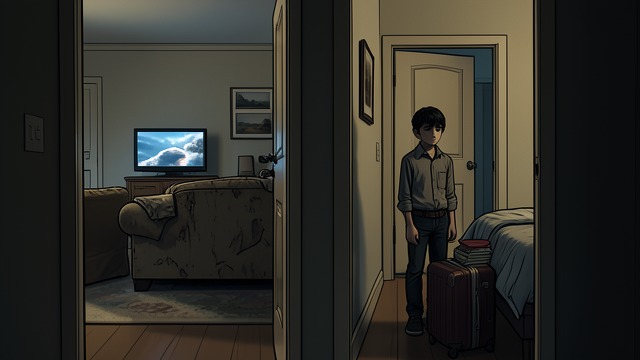
A Childhood of Transitions
Homes repeatedly rearranged
J.D. Vance lives through divorces, new partners, and moves between family households. Each change introduces new rules and people while weakening his sense that home will last.
Instability as an inheritance
The children learn to expect departures and to distrust promises of permanence. The harm lies not only in any single move but in the accumulation of transitions.
His story makes family structure a lived experience rather than a statistic.
The Sister Carries the Load
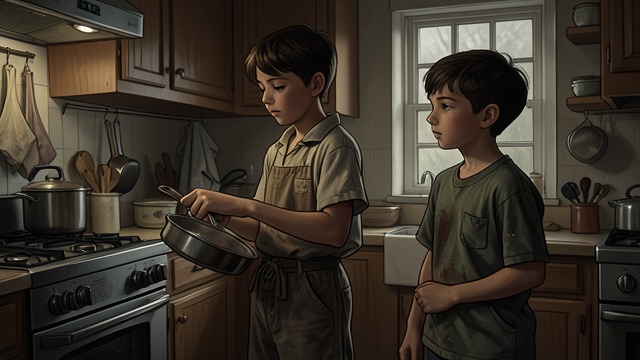
Childhood Care Reversed
A teenager as caretaker
While Mom receives addiction treatment, Lindsay Leigh Lewis and J.D. Vance manage meals, school, and daily life. Lindsay has to care for her brother while beginning adulthood herself.
Competence born of necessity
They handle crises with little formal support, but their capability conceals the burden they carry. Independence is not the same as a secure childhood.
Their experience shows how families can appear resilient while asking children to do too much.
An Unequal Chance to Recover
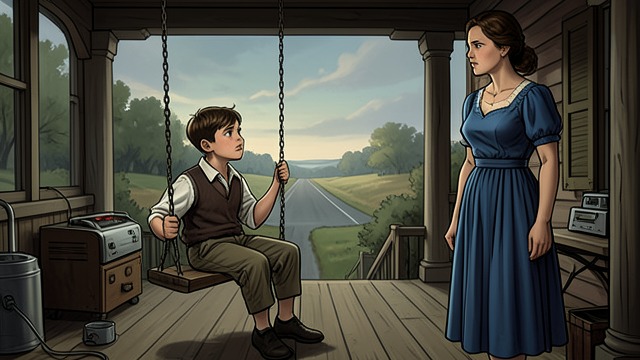
Stable Care as Protection
One dependable adult
Mamaw offers consistent shelter, expectations, and encouragement during years when J.D. Vance’s mother cannot reliably care for him. Her presence supplies a buffer against instability.
A different outcome becomes possible
With a stable home, his grades improve and his future becomes easier to imagine. The transformation is not evidence that adversity is harmless, but that support can alter its effects.
Caregiving relationships become an essential part of his account of resilience.
Trauma Crosses Into Adulthood
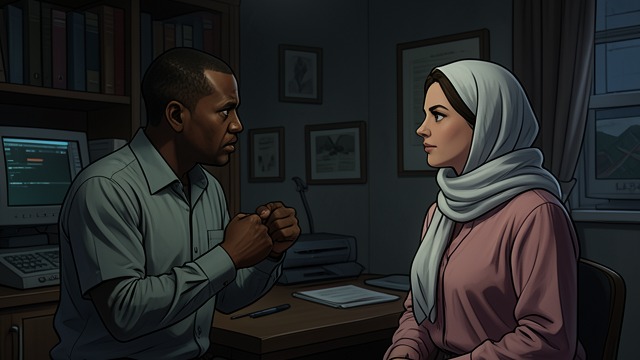
The Past in Present Conflict
Old defenses reappear
J.D. Vance withdraws or uses words as weapons when disagreements arise with Usha Vance. He recognizes the responses as habits learned in a home where conflict felt dangerous.
A cycle can be interrupted
Aunt Wee and Lindsay Leigh Lewis describe similar defensive habits in their own relationships. They show that a calm partnership can be learned, even after years of expecting battle.
The adult effects of childhood instability are serious, but not necessarily permanent.
The Opportunity Map
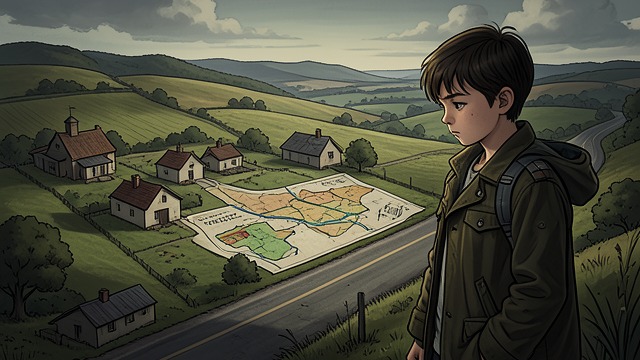
Geography Shapes Possibility
Uneven prospects
J.D. Vance reflects on research linking opportunity to single-parent households and income segregation. Places differ in the networks and models available to children.
A family can alter the map
He sees Mamaw, Papaw, Aunt Wee, and other supporters as crucial alternatives to the limits surrounding him. Their help cannot be assumed for every child.
The analysis connects personal history to geography without treating a region’s fate as fixed.
from elementary school through adolescence
after Papaw’s death
during J.D. Vance’s years at Mamaw’s home
during J.D. Vance’s relationship with Usha
during the book’s later policy reflections
