
Christmas and the Measure of Plenty
Hillbilly ElegyThis theme thread contrasts childhood Christmas scarcity and debt with later abundance, showing how gifts can both express love and intensify economic anxiety.
increasing Bearing strength in each event
 decreasing
Bearing strength in each eventdecreasingA Nice Christmas at Any Cost
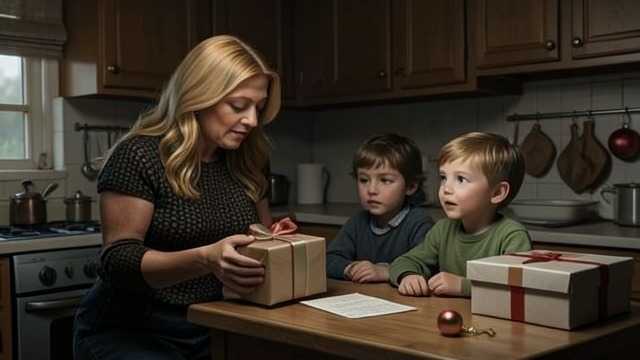
Gifts as Proof of Care
Fear beneath the tree
Families in J.D. Vance’s neighborhood worry that a sparse Christmas will expose their poverty. Parents search for ways to create a display that looks generous.
Borrowed money
Mom and other relatives use loans, delayed checks, or Mamaw and Papaw’s help to buy gifts they cannot afford. The presents soothe shame briefly while draining already thin resources.
The holiday becomes both an expression of love and a measure the family can never comfortably meet.
The Teddy Ruxpin Search
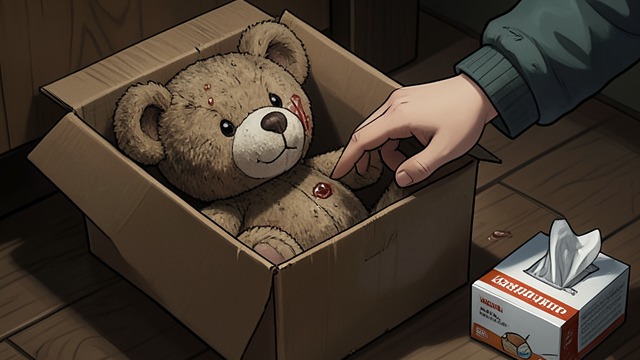
A Toy That Becomes a Mission
Scarcity and desire
Mom and Lindsay Leigh Lewis search urgently for a hard-to-find Teddy Ruxpin doll. The expensive toy comes to stand between a small child and the Christmas of his dreams.
The memory left behind
Years later, J.D. Vance remembers the worn doll in a box, covered in dried snot. The childhood object loses its magical importance but preserves the family’s anxious effort.
The episode captures how a brief display of abundance can require disproportionate sacrifice.
The Tax Refund Promise

The Holiday Debt Cycle
A future payment
Mom treats the expected tax refund as a solution to Christmas spending. The family buys first and plans to cover the bill with money that has not yet arrived.
January uncertainty
If the refund is smaller than expected, the family’s financial worry deepens. The holiday’s emotional pressure extends into the bleakest part of winter.
A tax refund functions as a backstop, but relying on it keeps the cycle of spending and anxiety intact.
A Different Kind of Giving

Gifts Without a Price Contest
A contrasting household
J.D. Vance notices that Aunt Wee gives her children ordinary gifts without trying to meet a costly threshold. Books and modest presents are enough.
A changed measure
A cousin asks for her Christmas gifts to be donated to needy families, and her parents agree. Their holiday is not defined by how much a child accumulates.
The contrast reveals that consumption is not simply a matter of income; it is also a learned family expectation.
Shopping for a Stranger’s Child

Giving From the Other Side
A list of needs
J.D. Vance shops for a child through a charitable program. He second-guesses the suggested gifts, worrying that his choices may misunderstand the child’s life.
Memory complicates generosity
The shopping recalls his own childhood and the way presents could become domestic land mines. He feels grateful for his current security while recognizing that some children have fewer family resources than he did.
Giving becomes an encounter with both his past and the unequal lives of children he will never meet.
J.D. Vance’s childhood Christmas seasons
when J.D. Vance is about two
each January during J.D. Vance’s childhood
after J.D. Vance becomes an adult
shortly before Christmas in Washington, D.C.
