
The Changing Meaning of Fatherhood
Hillbilly ElegyThis relationship thread traces J.D. Vance’s experience of absent, temporary, and chosen father figures, culminating in Papaw’s lasting definition of fatherhood.
increasing Bearing strength in each event
 decreasing
Bearing strength in each eventdecreasingMany Possible Fathers
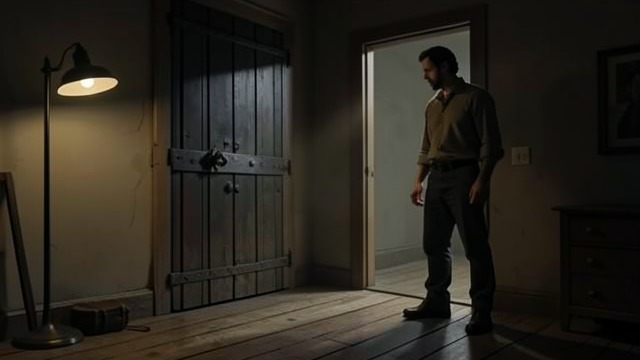
A Family Tree in Motion
Complicated labels
J.D. Vance struggles to explain his siblings and fathers, including a biological father he barely remembers and a legal father who later disappears. The changing relationships make simple family categories feel inadequate.
A need for continuity
He cares less about the technical label than about who will remain in his life. Each new father figure raises the possibility of connection and the expectation of another departure.
The search is for dependable care more than for a particular title.
Temporary Men in the Home
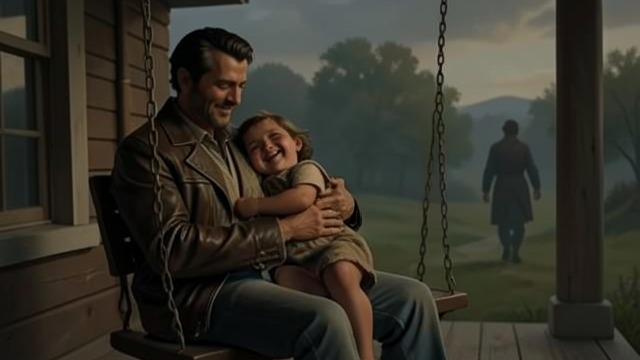
Affection With an Expiration Date
Partners come and go
Mom’s relationships bring men such as Steve, Chip, and Bob Hamel into J.D. Vance’s life. Some are kind and teach him practical skills, but each departure disrupts an attachment he has begun to form.
A lesson of mistrust
Lindsay Leigh Lewis expects the men to leave and eventually J.D. Vance learns the same. Their experience makes permanence feel less like a reasonable expectation than a temporary gift.
The repeated departures shape what the children imagine men owe to their families.
Papaw Steps Into the Gap
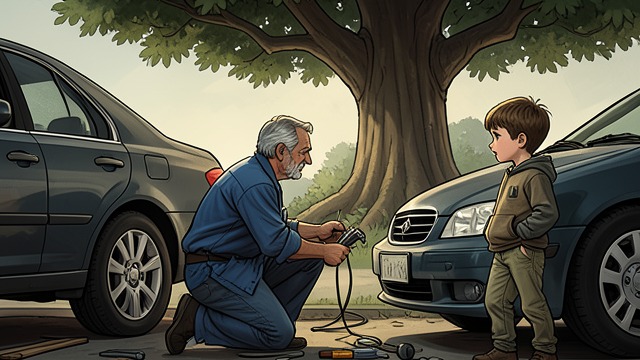
Fatherhood in Practice
Care through daily acts
Papaw teaches J.D. Vance, repairs family members’ cars, and gives time and attention without making the child feel like a burden. His presence supplies a stable masculine example.
A standard of respect
Papaw teaches that a man’s measure lies in how he treats the women in his family. J.D. Vance remembers this principle as a guide to adult behavior.
The grandfather becomes a father through consistency rather than biology or legal status.
Calling Him Dad
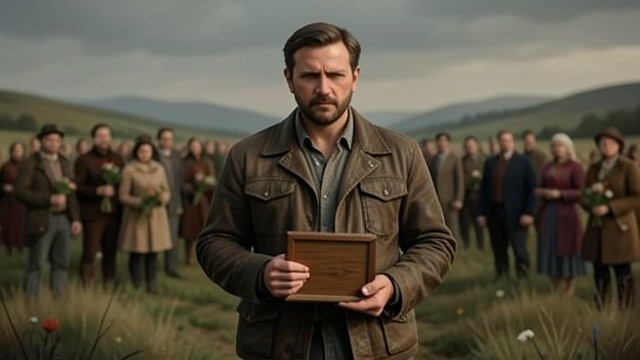
Naming the Relationship
Public acknowledgment
J.D. Vance tells the mourners that he never had a dad, but Papaw was always there. He says Papaw was the best father anyone could ask for.
A definition beyond law
The speech distinguishes fatherhood from custody, marriage, or genetic connection. It identifies dependable presence as the thing that made Papaw a parent to him.
The tribute resolves the question of who truly fulfilled the role, even as death makes that care irrevocably past.
Becoming a Provider
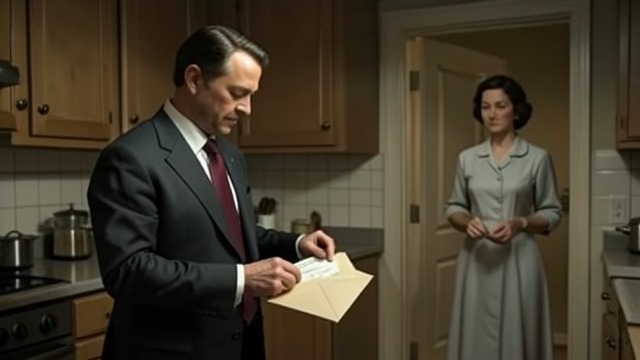
The Role Reverses
Care returned
J.D. Vance pays Mamaw’s insurance costs and uses his income to help family. He begins to experience himself as someone who can protect others.
A chosen responsibility
Later, he builds a household with Usha Vance and reflects on how he will treat those closest to him. Papaw’s example remains an internal measure rather than a script he can simply copy.
His understanding of fatherhood and manhood becomes an active responsibility to provide steadiness and respect.
during J.D. Vance’s childhood
from early childhood through adolescence
from J.D. Vance’s early childhood until Papaw’s death
at Papaw’s funeral
during J.D. Vance’s Marine service and adulthood
