
Food, Shame, and Asking for Help
Hillbilly ElegyThis emotional thread links J.D. Vance’s childhood scarcity to the adult recognition that dependence can feel dangerous even when help is available.
increasing Bearing strength in each event
 decreasing
Bearing strength in each eventdecreasingThe Fear of Imposing
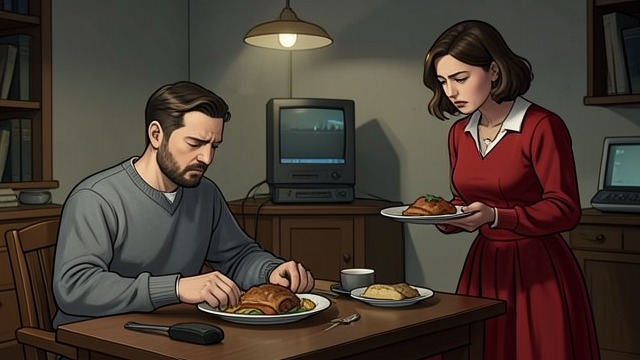
Need Kept Quiet
Dependence feels risky
J.D. Vance and Lindsay Leigh Lewis worry that asking family for food or help with a car may use up the goodwill on which they depend. They learn to treat ordinary needs as potential burdens.
Papaw pushes back
Mamaw and Papaw ask what the children truly want at restaurants and order it despite their protests. Their insistence is an attempt to make care feel safe.
The feeling of being a burden persists, showing how generosity cannot instantly undo a child’s learned caution.
A Home Without Enough
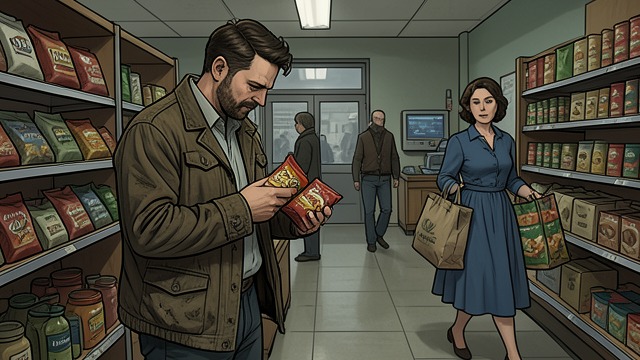
Watching Other Families
A cashier observes
J.D. Vance sees customers buying food with assistance and compares their purchases with his own limited budget. His observations mix curiosity, resentment, and the wish for things he cannot afford.
Scarcity shapes judgment
He interprets spending as evidence of deservingness, not yet understanding how unstable income, time, and family needs shape choices. The experience turns economic insecurity into a moral comparison.
His later reflections revisit the anger without presenting it as the whole truth.
The Question About Fries
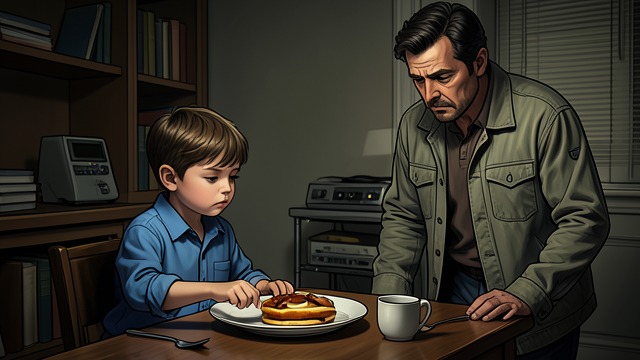
Asking Takes Courage
A hesitant child
Brian finishes his food and nervously looks around before asking J.D. Vance for more french fries. The small request reveals how uncomfortable he feels asking for something he needs.
Recognition across time
J.D. Vance recognizes the same fear of imposing that shaped his own childhood. He responds with warmth rather than making the request seem trivial.
Food becomes a point of connection between two people who know that need can be difficult to voice.
Food as a Measure of Care
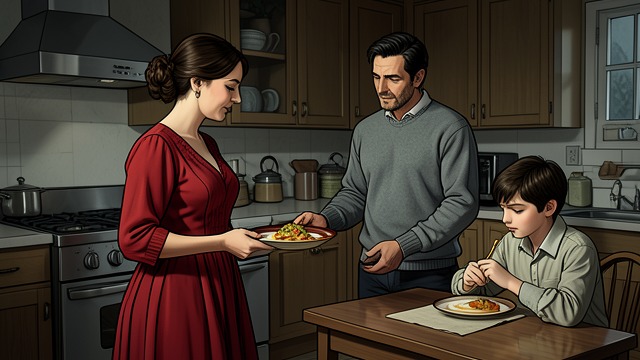
The Meaning Beneath a Meal
Practical love
Mamaw and Papaw order the food the children want, even when they resist. Later, Aunt Wee and other relatives feed and house J.D. Vance during periods of illness and transition.
Security in ordinary acts
Meals do not solve the family’s deeper problems, but they reassure children that their needs matter. This is care made concrete rather than promised abstractly.
The memory of food connects scarcity to belonging and helps explain why a child’s request for fries matters.
A Question of Who Will Help
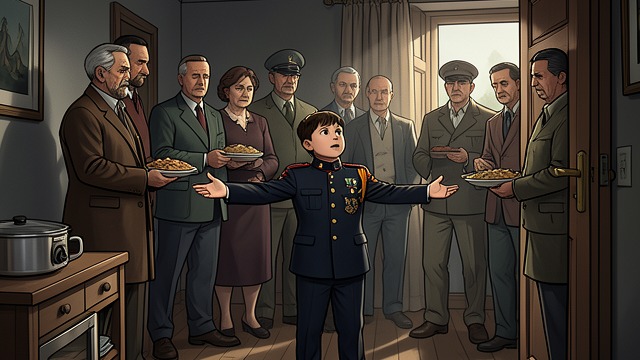
Care Beyond the Table
An uncertain future
Brian has family members who can keep him from foster care, but his long-term prospects remain unclear. He lacks the exact network of steady protection J.D. Vance had.
The community’s response
J.D. Vance argues that neighbors, relatives, teachers, and churches may need to make space for him. A vulnerable child should not have to overcome every barrier alone.
The arc moves from asking for food to asking whether a community will notice and respond to need.
during J.D. Vance’s childhood
during his high-school job at Dillman’s
during J.D. Vance’s lunch with Brian
in adulthood, while recalling family life
after Brian’s mother dies
