
The Meaning of Masculinity
Hillbilly ElegyThis theme thread traces the conflicting lessons J.D. Vance receives about manhood, from fighting and absent fathers to Papaw’s ethic of care and the Marines’ model of responsibility.
increasing Bearing strength in each event
 decreasing
Bearing strength in each eventdecreasingManhood as Readiness to Fight
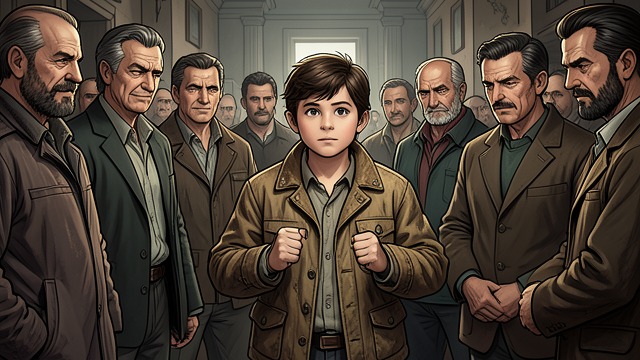
Honor as a Masculine Test
A local code
J.D. Vance learns that boys should defend their families and answer insults with force. Courage and loyalty are measured by willingness to fight.
A narrow definition
School achievement can be mocked as unmanly, even while Mamaw insists that he study. The competing standards leave him uncertain about what strength should mean.
The code offers status and protection but does not teach him how to manage disagreement peacefully.
Lessons From Temporary Fathers

Masculinity Without Continuity
Practical skills, few models
Men in Mom’s life sometimes teach J.D. Vance useful activities, such as fishing, but relationships end before those lessons can become a stable example of partnership.
A lesson in disappearance
The repeated departures teach him that men can leave their children without much difficulty. Lindsay Leigh Lewis articulates the distrust that both siblings have absorbed.
Absent models shape the boy as strongly as the few men who remain.
Papaw’s Measure of a Man
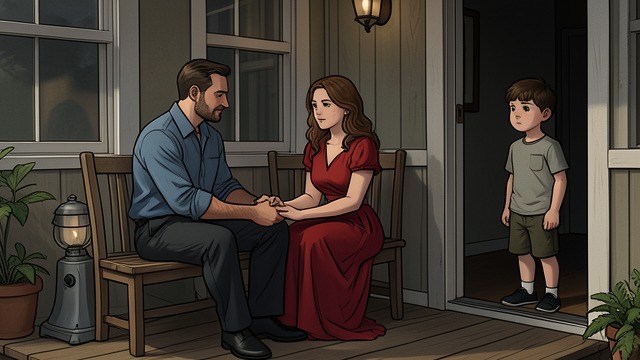
Care Defines Strength
An alternative standard
Papaw teaches J.D. Vance that a man should be judged by how he treats the women in his family. He is imperfect but capable of tenderness, play, and practical generosity.
A legacy named aloud
At Papaw’s funeral, J.D. Vance calls him the best father anyone could ask for. The statement makes care and presence the standard against which other forms of masculinity are measured.
His grandfather offers a model more durable than mere toughness.
The Marines’ Discipline
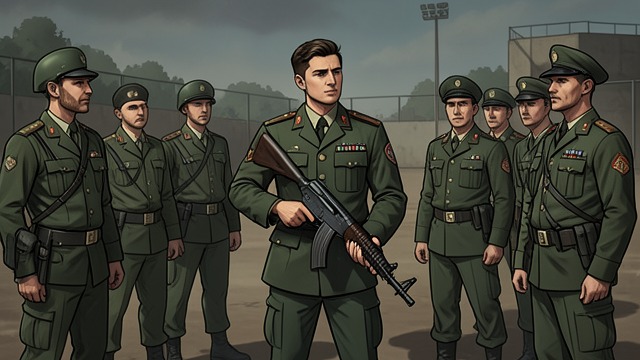
Strength With Responsibility
Skill and self-command
The Marines teach J.D. Vance fitness, financial habits, and leadership. He learns that authority depends on respect and that a person can improve through repeated effort.
A different kind of toughness
The military’s discipline challenges his assumption that manhood is chiefly about fighting. Competence means caring for responsibilities and working with people unlike oneself.
Service gives him practical tools for adulthood, though it does not resolve every inherited habit.
A New Household Standard

Practicing the Man He Wants to Be
Conflict as a test
J.D. Vance sees that anger and withdrawal can harm the person he loves. He must act against the patterns that once helped him survive.
Care without domination
His relationship with Usha Vance requires communication, restraint, and responsibility rather than retaliation. He learns that protecting a home can mean refusing to escalate.
Masculinity becomes less a performance of toughness and more a sustained practice of respect.
during J.D. Vance’s childhood
throughout adolescence
during J.D. Vance’s childhood and at Papaw’s funeral
from boot camp through Marine service
during adulthood with Usha Vance
