
Hope, Luck, and the People Who Intervene
Hillbilly ElegyThis theme thread traces the book’s argument that personal effort matters, but a life’s direction also depends on timely help from particular people.
increasing Bearing strength in each event
 decreasing
Bearing strength in each eventdecreasingA Child Given a Chance
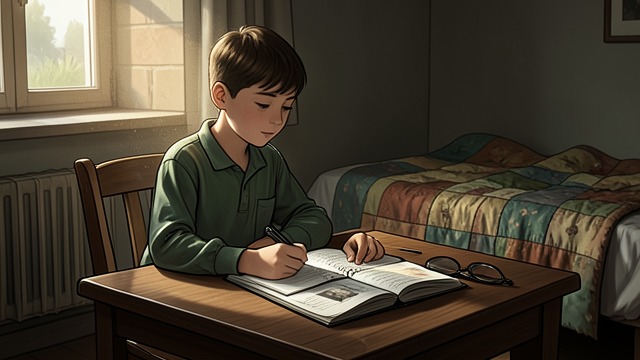
The Importance of One Safe Adult
A changing environment
J.D. Vance’s school performance and sense of possibility improve after he moves in with Mamaw. The stable home gives him a chance to concentrate and build relationships.
More than individual grit
His improvement cannot be separated from the person who offered shelter, structure, and expectations. Effort becomes more effective when daily life is not consumed by crisis.
The story complicates the idea that success comes from willpower alone.
The Marine Who Was Not Ready

Capacity Arrives Through Training
A prepared return
After the Marines, J.D. Vance handles college routines that once seemed impossible. Military instruction has supplied practical knowledge and confidence.
A chain of help
A cousin’s suggestion, a recruiter’s honesty, and the structure of service all contribute to his path. His eventual academic success begins with several people helping him find a route he could manage.
The outcome looks individual at the finish but is social in its construction.
A Mentor Prevents a Mistake

Advice as Protection
Prestige without clarity
J.D. Vance applies for a powerful clerkship without a clear reason beyond wanting proof that he belongs. The opportunity could pull him away from the life he wants.
A candid intervention
Amy Chua challenges the choice and helps him see its likely cost to his relationship with Usha Vance. He withdraws the application.
A mentor changes his trajectory not by making him more ambitious, but by helping him choose well.
The Many Thumbs on the Scale

Success as a Collective Outcome
An inventory of helpers
J.D. Vance recalls Mamaw and Papaw, Lindsay Leigh Lewis, Aunt Wee, Dan, teachers, relatives, and friends who supported him. Removing any one of several interventions might have changed his prospects.
Beyond a self-made story
His achievement reflects choices, but also care, information, shelter, and opportunity supplied by others. Gratitude becomes a way to resist the myth that he succeeded alone.
The account turns upward mobility into a shared achievement with obligations attached.
Brian’s Remaining Cards

The Next Chance Is Collective
An uncertain hand
Brian faces grief, earlier trauma, and difficult choices about education and work. J.D. Vance cannot know whether the support around him will be enough.
Responsibility near at hand
Brian’s prospects depend on family and community members helping him imagine a future beyond resentment and withdrawal. J.D. Vance’s own story shows how much a timely intervention can matter.
The closing question is not whether every child can be saved, but whether people will act when a chance to help appears.
after J.D. Vance’s move to Mamaw’s home
during J.D. Vance’s first year at Ohio State University
during J.D. Vance’s final years at Yale Law School
during J.D. Vance’s reflections on his adult success
in the closing pages
