Preble County, Ohio
Hillbilly ElegyPreble County, Ohio, is the farm-country setting of a childhood rupture: a move that placed J.D. Vance far from the grandparents who had helped make home feel safe, while intensifying the turmoil between Mom and Bob. The county becomes more than a rural backdrop; its distance from family support gives the household’s conflicts room to deepen, with consequences visible in the children’s schooling and physical well-being.
Setting and Move
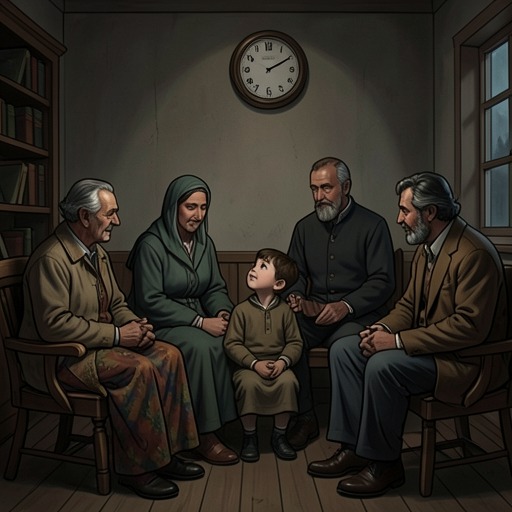
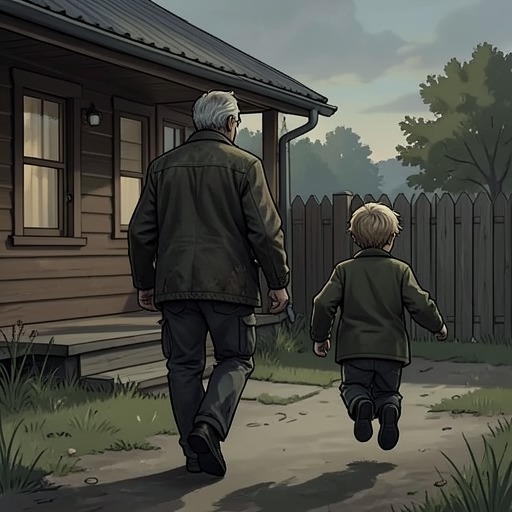
When J.D. Vance was about nine, Mom and Bob moved the family from Middletown to Preble County, a sparsely populated part of Ohio farm country about thirty-five miles away. They were tired of Papaw’s constant presence and what they regarded as Mamaw’s interference. For J.D., the move was devastating: Mamaw and Papaw were his best friends, helped him with homework, and rewarded him for finishing difficult assignments or behaving well. Their presence had also made them protective gatekeepers, figures whose loaded guns and formidable reputations seemed to keep danger at bay.
The new location left Mamaw and Papaw more than forty-five minutes away. That distance mattered in a household already under strain. Mom and Bob had begun fighting before the move, and once separated from the grandparents’ nearby influence, the children had fewer immediate refuges when disputes escalated. At times Mom took the children to a local motel to hide for several days, until Mamaw or Papaw persuaded her to return and face the domestic problems.
Conflict and Household Strain
In Preble County, arguments often became screaming matches, and money was a recurring subject. The family’s combined income exceeded one hundred thousand dollars, yet Mom and Bob bought things they did not need, including new cars, new trucks, and a swimming pool. By the time their short marriage collapsed, they had accumulated tens of thousands of dollars in debt without anything lasting to show for it. The financial trouble sat alongside a more immediate danger: disputes that had not initially involved violence began to change.
One night, J.D. woke to breaking glass after Mom threw plates at Bob. He found Bob holding her against the kitchen counter as she struggled and bit at him. When Mom fell, J.D. ran to her, then stood between her and Bob and punched him. Expecting Bob to strike back, the boy covered his head on the floor, but no blow came; Bob was not physically abusive. J.D.’s intervention ended the fight. Bob sat silently on the couch, staring at the wall, while Mom and J.D. went upstairs. The episode gave the child an early, distorted model of how marital conflict was handled, one built around shouting, insults, physical escalation, and sometimes fleeing to a motel.
The turmoil also entered ordinary school days. J.D. often lay awake listening to furniture move, heavy footsteps, yelling, and sometimes shattering glass. Exhausted and depressed the next morning, he struggled through school while dreading the return home. He could not bring himself to tell anyone what was happening, and even Mamaw did not understand how bad things had become; his slipping grades were the first sign she saw. Quiet periods offered little security, since a misplaced word or a minor childhood mistake could set off another fight or send a plate or book flying.
By the time J.D. started fifth grade, the strain had become physical as well as emotional. A previously fit child gained weight and began complaining to the school nurse of severe stomachaches. In retrospect, he understood these symptoms as effects of the trauma at home. Preble County’s narrative significance lies in this accumulation: conflict was not confined to spectacular confrontations but seeped into sleep, school, appetite, and the children’s constant vigilance.
Return to Middletown
Mom’s attempted suicide by car crash ended the family’s Preble County period. After Bob confronted her about an affair with a local fireman and demanded a divorce, Mom drove off in a new minivan and intentionally crashed into a telephone pole. Mamaw doubted that the crash had been a genuine suicide attempt and believed Mom was trying to divert attention from her infidelity and financial problems. J.D. and Lindsay Leigh Lewis largely accepted Mamaw’s interpretation and felt relief that Mom had not been seriously hurt and that the move would end.
Mom spent a couple of days in the hospital. Within a month, the family had returned to Middletown, living one block closer to Mamaw than before and without Bob. The return closed the Preble County chapter geographically, but not the larger instability in Mom’s life: afterward, her behavior grew more erratic, and she cycled through boyfriends and late nights. The move back therefore marks an end to this particular household arrangement, not a return to the earlier sense of security.