
The Limits of Being a Good Parent
Hold TightThis flow traces the novel's competing models of parenting and the painful realization that love cannot guarantee protection or understanding.
increasing Bearing strength in each event
 decreasing
Bearing strength in each eventdecreasingCaretakers for a While
Caretakers for a While
A Temporary Responsibility
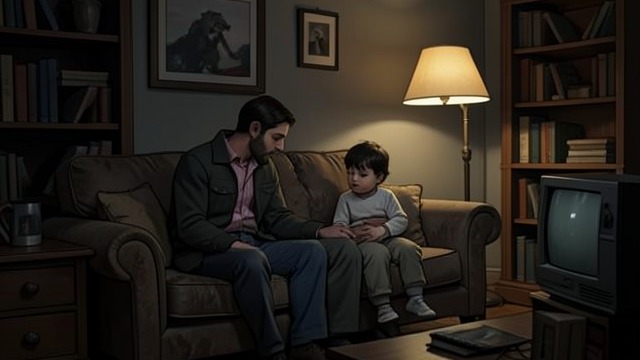
Tia frames parenting as keeping children alive and healthy until they can live independently. Mike wonders whether constant monitoring undermines the independence they hope to foster.
No Perfect Rule
Their debate offers no simple standard for how much freedom a teenager should receive. Both parents act from love, but love does not settle every question of authority.
The Example of Spencer
The Example of Spencer
A Neighbor's Tragedy
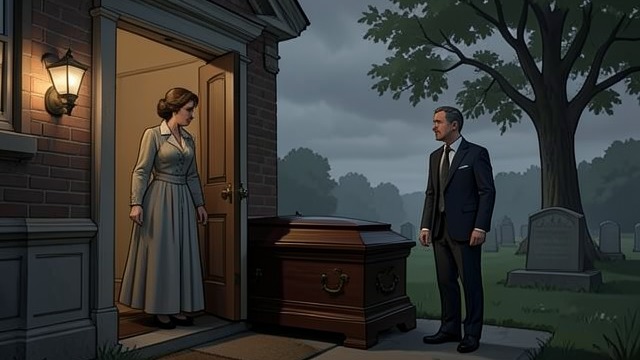
Spencer's suicide makes Tia fear that a parent can miss warning signs until it is too late. Mike accepts that grief may explain Adam's behavior but resists treating it as proof of danger.
Protection Through Fear
Spencer's parents later ask what they could have changed. The two families' experiences show that hindsight can make every parental decision appear either insufficient or intrusive.
A Father Without Control

A Father Without Control
Technology Offers Direction
Mike's GPS search gives him a location and a sense that he can still intervene. It cannot reveal why Adam is there or whether his arrival will make the situation better.
Danger Finds the Searcher
Mike is assaulted while trying to reach his son. His willingness to protect Adam remains real, but the search shows that a parent's efforts can create new vulnerabilities.
A Daughter Faces Danger
A Daughter Faces Danger
Protection Reversed
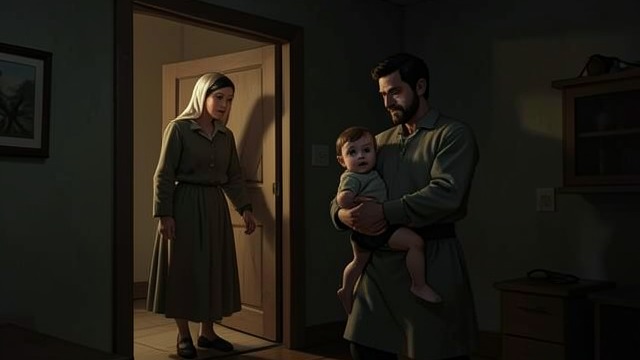
Tia arrives to collect Jill and finds Nash holding the girls hostage. The child she hoped to protect becomes an active participant in saving the household.
Courage and Cost
Jill uses Guy's handgun to stop Nash. The parents must confront that their daughter's survival depended on her own choices and on a danger no monitoring system could have predicted.
Love Without Control
Love Without Control
Returning to Ordinary Life
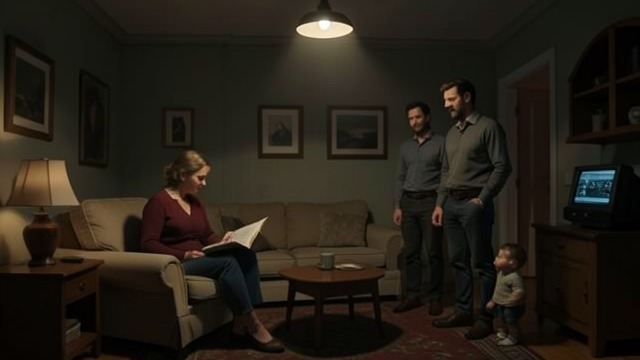
Tia watches Mike and Adam leave for a hockey game and hears Jill upstairs. The family routines resume, but each person carries a changed understanding of danger and trust.
Care as Ongoing Work
Tia concludes that parents can do their best without controlling outcomes. The insight does not diminish responsibility; it makes love an act of continued attention rather than a promise of safety.
During the debate over Adam's privacy
Before Adam's surveillance begins
As Mike follows Adam's phone
During the hostage crisis
One week after the crisis
