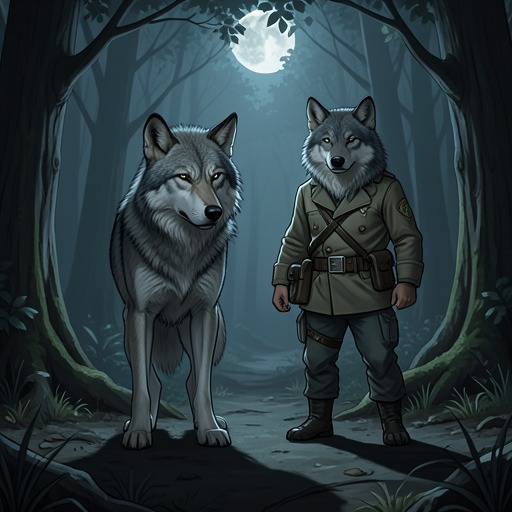
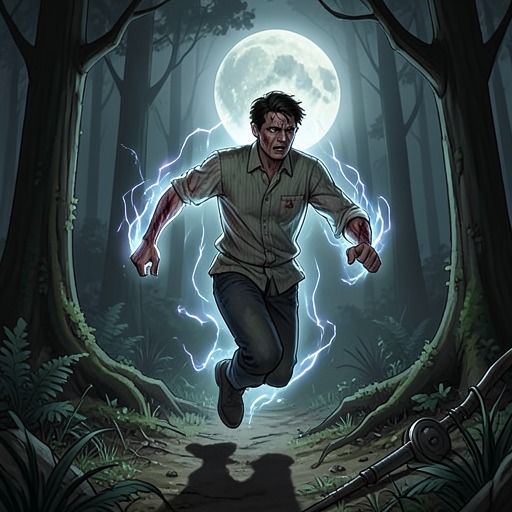
Derek bites Isaac
Holding Out for a Hero ▸ Stiles Stilinski (2)Derek bites Isaac during a period when the supernatural crisis in Beacon Hills is expanding from an individual threat into a struggle over who will control a growing werewolf pack. The action matters because Isaac’s transformation is not treated as a private change: it becomes evidence of Derek’s recruitment strategy, a source of danger during the first full moon, and a direct challenge to Scott McCall’s belief that becoming a werewolf is not automatically a solution.
Causes and Background
Isaac is introduced into the crisis under the shadow of his father’s murder. News that Mr. Lahey has been killed spreads through the school, and Isaac becomes the principal suspect; people who barely know him invent explanations for the crime. Carson Bradley, Scott McCall, and Stiles Stilinski are less interested in the rumors than in the supernatural question behind them: why Derek Hale would offer Isaac the bite at all. Their concern reflects the established danger of transformation. Peter Hale has explained that the bite can either turn a person or kill them, leaving the group to wonder whether teenagers have a better chance of surviving it.
Derek’s choice also reflects his need to build a pack. Carson recognizes that Derek needs new members but questions why Isaac, specifically, would be selected. Isaac is not recruited into a stable or protective institution; he is drawn into Derek’s expanding werewolf hierarchy while already isolated by suspicion, family violence, and the public story surrounding his father’s death. The bite therefore joins two unstable conditions: Derek’s ambition to gather supernatural allies and Isaac’s vulnerable position as a teenager whom the ordinary community has already marked as dangerous.
The Bite and Its Immediate Stakes
The transformation becomes especially urgent because Isaac is expected to face his first full moon while surrounded by defenseless police officers. The group understands that the bite is not merely a symbolic initiation. It creates an immediate practical threat: Isaac may lose control, hurt others, or die if the transformation fails. Their discussion treats supernatural knowledge as a system of rules that must be learned quickly, but the available rules remain incomplete. Peter’s warning establishes the possible outcomes, while Isaac’s circumstances force the others to act before they fully understand what Derek has set in motion.
The later confrontation at the ice rink reveals the consequences of Derek’s decision. Scott fights Derek’s new recruits, and Derek intervenes when the conflict becomes overwhelming. Because Derek was born a werewolf and is an Alpha, he has the advantage; Scott ends up bleeding on the floor, with Carson beside him despite knowing that Scott will heal. Isaac is present within Derek’s group, and Boyd attempts to leave with Derek after the confrontation. Scott warns Boyd that he should not want to become like Derek, making the dispute about more than physical power: it is a disagreement over whether Derek’s model of pack leadership is desirable or destructive.
Pack Politics and Contrasting Models
Isaac’s bite helps define Derek’s pack as a structure built through force, recruitment, and supernatural dependence. Derek’s Alpha status gives him authority over the new werewolves, but the ice-rink conflict shows that this authority does not produce trust or consensus. The recruits are still learning what their transformed bodies mean, while Derek expects their altered status to bind them to his leadership. The result is a pack that is powerful enough to defeat Scott in direct confrontation but unstable enough that its members can question the person who created it.
Scott offers a competing model. When Boyd explains that he wants to be like Scott rather than Derek, the distinction becomes explicit. Scott’s example represents a version of werewolf identity associated with restraint and allegiance to friends, whereas Derek’s represents power backed by Alpha authority. Carson’s response that the recruits may be better off this way does not resolve the issue; it captures the uncertainty surrounding the bite. Transformation may offer protection or belonging, yet it also exposes teenagers to hunger, violence, loss of control, and the demands of a supernatural hierarchy.
Consequences and Wider Plot Function
Isaac’s transformation expands the number of people who must be protected, monitored, and taught. It also complicates the group’s investigation into the Kanima and the wider supernatural threat. Later, Carson, Stiles, and Scott rely on allies and specialized knowledge while searching for answers: the bestiary remains difficult to interpret, online searches produce almost nothing useful about the Kanima, and Deaton becomes a trusted guide whose veterinary office serves as a meeting place for supernatural planning. Isaac’s presence belongs to this same movement from confusion toward organized response, even though the knowledge needed to manage a werewolf bite remains dangerous and partial.
The bite also changes the social geometry of the school and the team. Coach Finstock insists that Scott must raise his grades or lose his place on the team, making ordinary institutional pressures continue alongside supernatural transformations. Scott’s athletic identity, his friendship with Stiles Stilinski, and his loyalty to Carson Bradley are forced to coexist with the emergence of Derek’s pack. Isaac is consequently positioned between two worlds: he is implicated in the violence surrounding his father’s death, yet he is also a student and potential teammate whose future is threatened by both academic expectations and the supernatural condition Derek has imposed or offered.
Significance
Derek bites Isaac at the point where becoming a werewolf is presented as both rescue and danger. The action gives Isaac a possible source of strength and belonging, but it does not erase the suspicion surrounding him or guarantee moral guidance. Instead, it transfers the central question of the supernatural plot into Isaac’s body: will power create a better life, or will the structure that grants it determine what he becomes? By placing Isaac inside Derek’s pack and against Scott’s alternative, the bite turns one teenager’s transformation into a test of leadership, identity, and loyalty in Beacon Hills.