Heroism
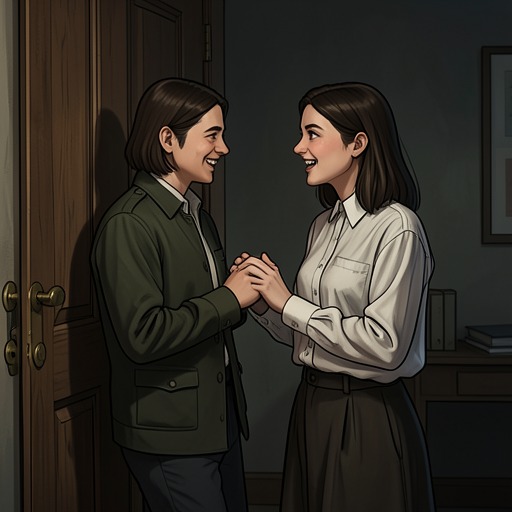
Holding Out for a Hero ▸ Stiles Stilinski (2)Heroism is presented as an ethical practice rather than a physical condition. In the conversation between Carson Bradley and Stiles Stilinski, the idea answers a crisis of self-worth: Stiles has been badly beaten, yet Carson insists that suffering does not disqualify him from being a hero. His heroism lies in caring, trying to help others, and remaining himself when he cannot offer supernatural strength or speed.
Definition Beyond Supernatural Power
Heroism is explicitly separated from the abilities associated with Scott McCall and Derek Hale. Carson tells Stiles that she does not need someone to swoop in and rescue her; she needs someone to talk to and someone capable of loving her as she loves him. The distinction places emotional presence beside, and ultimately above, physical intervention. Stiles does not need extraordinary powers to fulfill the role Carson values. He only needs to be Stiles.
This definition also rejects the fantasy of the untouched hero. When Stiles bitterly questions how he can be heroic after being beaten, the conversation refuses to treat victory, strength, or bodily safety as proof of moral worth. Heroism can coexist with injury. The hero is not the person who escapes pain, but the person whose commitments survive it.
Care as the Measure of a Hero
Carson identifies Stiles as a hero because he cares and because he tries to help everyone. These qualities make heroism relational: it is recognized through conduct toward other people rather than through status or spectacle. His value is not conferred by an identity as a warrior or supernatural figure; it is demonstrated through repeated concern and practical effort.
The concept therefore joins courage to vulnerability. Carson states that heroes are not indestructible forces of nature: they bleed and struggle, and they are defined by doing what is right. The contrast with capes and fanciful invisible vehicles strips heroic imagery of its decorative surface. What remains is responsibility under pressure, with no guarantee of physical protection or public recognition.
Recognition, Love, and Reconciliation
Heroism becomes especially significant because Stiles doubts that others see him in those terms. Carson answers that uncertainty with personal recognition, telling him that she sees him as a hero and always will. Her judgment does not erase his injuries, but it gives them a different meaning: being hurt is no longer evidence that he failed to matter.
The exchange also binds heroism to love. Carson declares her love for Stiles Stilinski after explaining what she needs from him, and Stiles responds by promising permanence, kissing her forehead, and asking whether they are reconciled. Their mutual affirmation turns the concept from an abstract standard into an intimate act of witnessing. Carson's love recognizes the ordinary person beneath the heroic label, while Stiles's response confirms that their relationship has survived the conflict.
Narrative and Thematic Significance
Within the book's supernatural world, Heroism establishes a counterweight to power-based ideas of leadership and rescue. Werewolves and other extraordinary beings may possess speed, strength, or other advantages, but the conversation argues that such capacities are neither necessary nor sufficient for moral action. The ordinary human body, precisely because it can bleed and struggle, becomes the place where courage is tested.
The concept also produces a reversal in the scene's emotional movement. Stiles begins from bitterness and apparent failure, measuring heroism against the fact that he was beaten. Carson changes the standard of measurement from invulnerability to care, then seals that recognition through love and reconciliation. Heroism consequently means choosing what is right without becoming indestructible, and continuing to matter even when the struggle leaves visible damage.