
The Comedy of False Expertise
HomunculusThe novel’s impostors and eccentric interpreters expose how confidence can imitate knowledge without providing understanding.
increasing Bearing strength in each event
 decreasing
Bearing strength in each eventdecreasingKraken’s Improvised Science
Ideas in Motion
A theory of the world
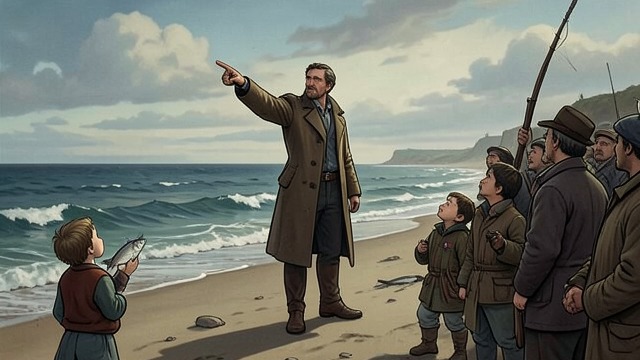
Kraken explains the equator as a belt holding Earth together and speaks confidently about stars, fish, and cosmic order. His claims are often mistaken, but he approaches the world with curiosity.
Comedy with human insight
Kraken’s eccentric theories make him funny without making him empty. His desire to learn and his observations of ordinary life contrast with the villains’ deliberate use of knowledge for power.
Pule’s Imagined Genius
Superiority as Self-Deception
A scholar in his own eyes
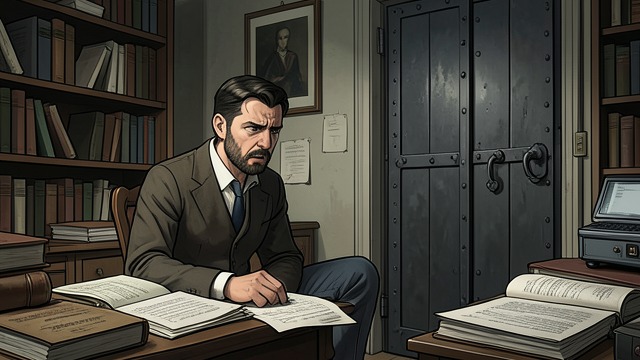
Pule treats his studies as proof that he is exceptional, even when his plans repeatedly fail. He blames other people and circumstances rather than examining his own motives.
Knowledge without wisdom
His intellectual vanity supports cruelty, including his treatment of Dorothy and his readiness to endanger strangers. The novel distinguishes accumulated information from judgment and moral understanding.
The Academy’s Narrow Lens

Authority Without Comprehension
Measuring what can be measured
Parsons values engines, observation, and institutional control, and he presses St. Ives to make Keeble cooperate. His scientific language can be rigorous while still overlooking personal and ethical stakes.
The spectacle exceeds the frame
When the final events unfold, Parsons encounters phenomena that do not fit his prior expectations. His earnest effort to explain the world remains human and limited rather than wholly authoritative.
During his first conversation with St. Ives
During Pule’s schemes in London
During St. Ives’s meeting with Parsons
