
The Ethics of Invention
HomunculusKeeble’s generous craft, St. Ives’s risky engineering, and Drake’s coercive ambitions reveal different moral uses of invention.
increasing Bearing strength in each event
 decreasing
Bearing strength in each eventdecreasingCraft for Delight
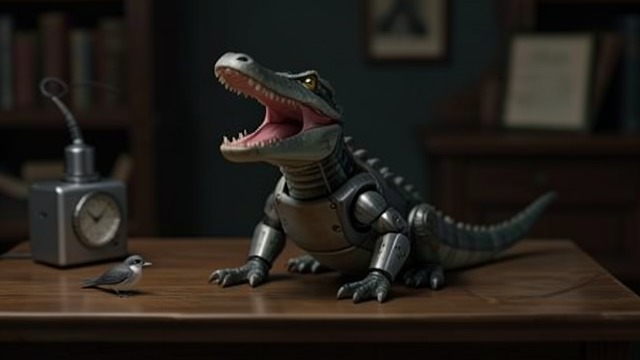
Beauty and Usefulness
Keeble’s playful machine
Keeble demonstrates a clockwork alligator that repeatedly devours tiny birds. The device is technically elaborate but made as a birthday present, joining ingenuity to delight.
Invention beyond profit
Keeble’s work reflects a view that an object can be worthwhile for its beauty and wonder. That outlook stands apart from Drake’s effort to turn every mechanism into power or profit.
Drake Wants the Engine
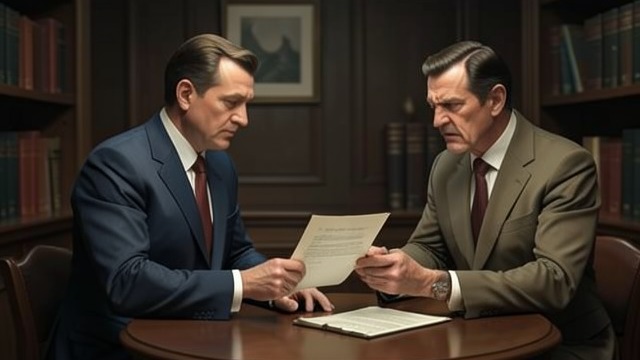
Invention as Leverage
A patent sought by force
Drake offers increasing sums for Keeble’s engine and threatens him when money fails. His interest is not limited to the machine’s workings; it includes the power to command its use.
A moral refusal
Keeble rejects Drake’s vision of factories driven by perpetual motion. His refusal pits personal judgment against an industrialist who believes resources and influence entitle him to ownership.
A Machine Used for Escape
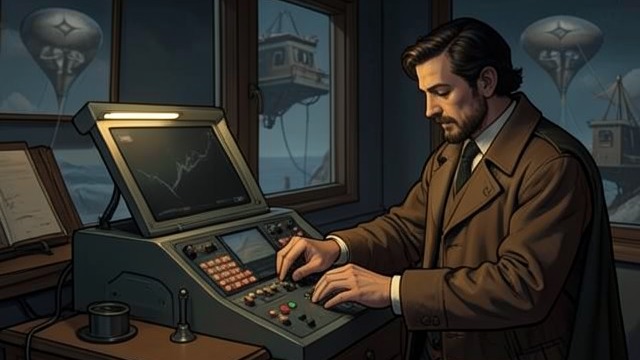
Tools Find New Purposes
St. Ives improvises
St. Ives learns the alien craft’s controls by observation and careful adjustment. His engineering-minded curiosity helps him use a machine designed by another intelligence.
Invention cannot be possessed
Birdlip and the Homunculus take the spacecraft away, while the dirigible falls apart. The ending makes invention a passage to further discovery rather than a permanent instrument of human control.
When Keeble shows St. Ives the miniature engine
During Drake’s confrontation with Keeble
The final events on Hampstead Heath
