
Almería Under Pressure
Hot MilkThis flow follows the landscape of drought, tourism, recession, and exploited labour as a force shaping the characters’ lives.
increasing Bearing strength in each event
 decreasing
Bearing strength in each eventdecreasingPlastic Over the Desert
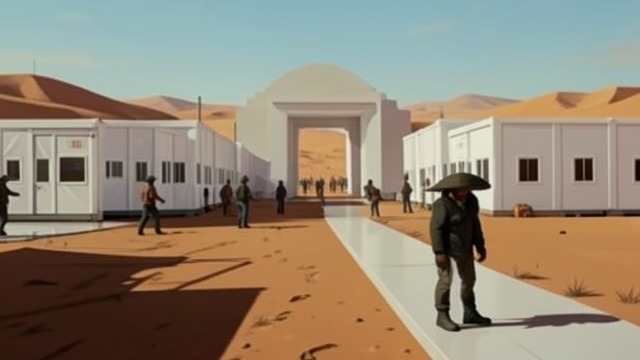
A Covered Landscape
Greenhouse expansion
Sofia sees immense white plastic structures across the valleys and learns they shelter intensive farms in the desert.
Hidden labour
The farms produce supermarket vegetables through the work of undocumented migrants, exposing the human cost beneath apparent abundance.
The Furnace and the Factory
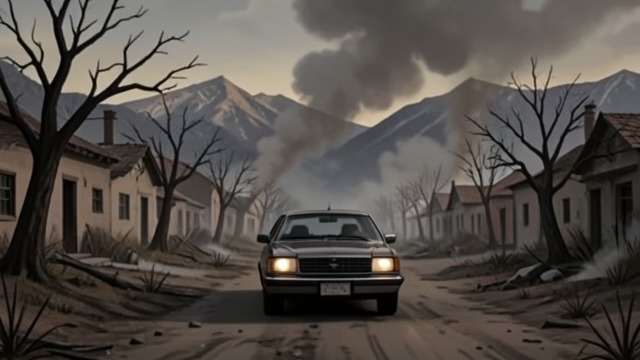
A Stripped Region
Industrial landscape
The taxi passes the cement-producing town of Carboneras, where the mountains have been stripped of trees for fuel.
The body of austerity
Sofia sees environmental damage as part of a wider landscape in which people, land, and resources are used up.
Unpaid Painters
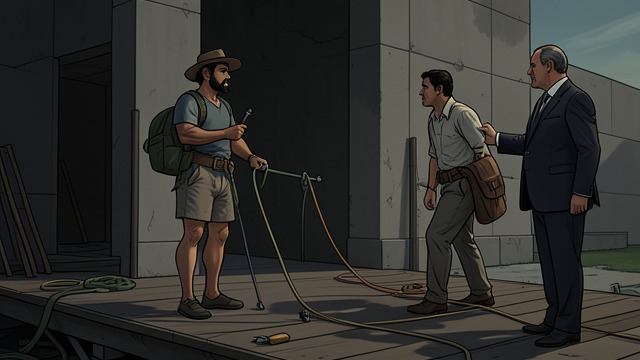
Labour Without Protection
A precarious job
Two Mexican painters work at the diving school while Pablo shouts at them; one is dismissed while still owed money.
Unequal exposure
Their insecurity echoes Sofia’s own dependence on temporary work, though they face the additional danger of having no secure legal status.
The Market’s Economies
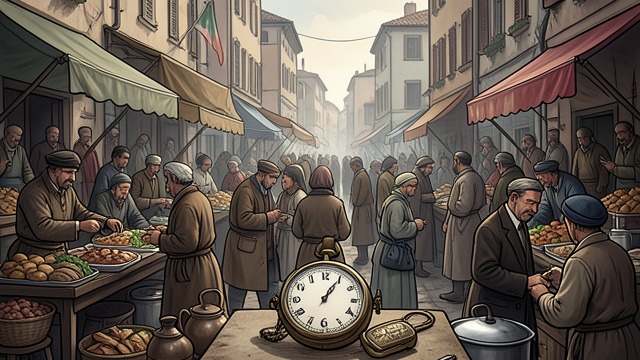
Informal Exchange
Small livelihoods
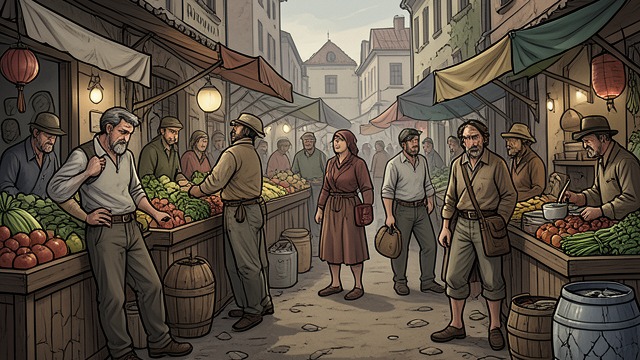
At the market, traders sell food, watches, and household goods while customers bargain in a recession-scarred economy.
Different kinds of scarcity
Rose buys an extravagant watch, while Sofia thinks about homelessness and the lack of a home of her own.
An Uneasy Abundance
Plenty and Precarity
Visible plenty
Tomatoes, fish, fruit, and tourist services fill the region, yet the story repeatedly reveals unstable work and environmental strain.
A connected crisis
The abundant landscape does not erase hardship; it makes the economic and ecological costs harder to ignore.
Early in the Almería stay
On the drive to the clinic
During Sofia’s first days beside the diving school
During Rose’s market outing
Near the end of the Almería stay
