
The Animals And The House
House of LeavesThis flow follows animals as sensory witnesses and symbols of life that the house cannot permanently contain.
increasing Bearing strength in each event
 decreasing
Bearing strength in each eventdecreasingZampanò’s Cats
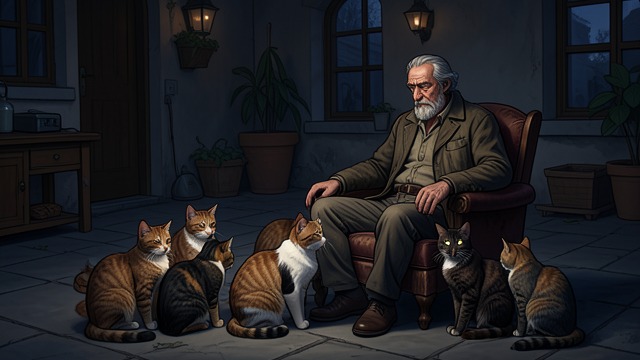
Zampanò’s Cats
Cats gather around Zampanò in the courtyard and become the most visible sign of his relation to the living world.
Silent Companionship
They offer affection without requiring speech or explanation.
Approaching Absence
Their disappearance foreshadows the removal of every ordinary comfort from his life.
Hillary And Mallory
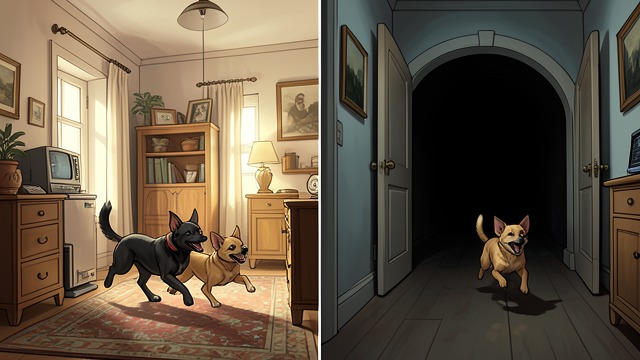
Hillary And Mallory
Hillary and Mallory move through the domestic house with an ease that contrasts with human anxiety.
Ordinary Life
Their games temporarily restore a sense of normal household rhythm.
Boundary Crossing
When they enter the hallway and reappear outside, the animals expose the house’s unstable relation to inside and outside.
The Abandoned Pekinese
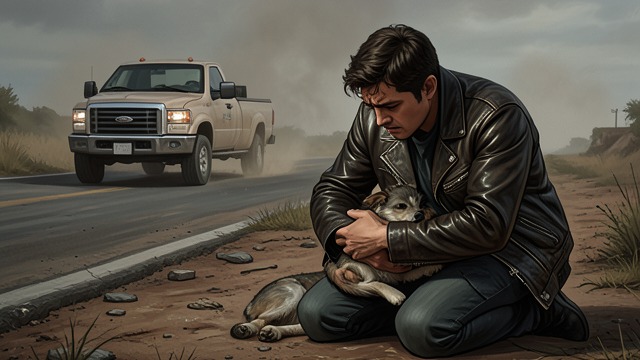
The Abandoned Pekinese
Johnny Truant rescues a stray dog and gives it to Johnnie, who throws it from her truck.
Failed Care
Johnny’s desire to protect the animal is overridden by a trust he cannot verify.
Moral Shock
The dead dog becomes an image of vulnerable beings treated as disposable objects.
The Vulture And Delial
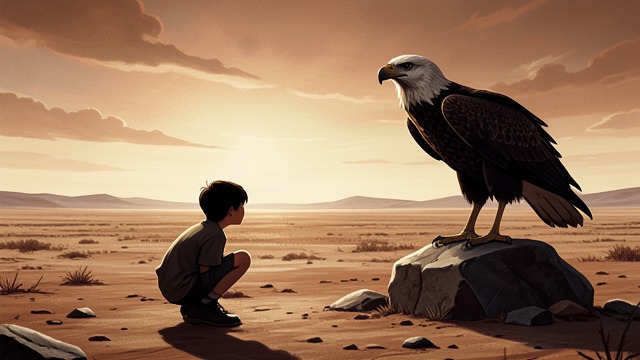
The Vulture And Delial
A vulture waits behind the starving child in Will Navidson’s Pulitzer-winning photograph.
Predatory Witnessing
The image forces the photographer and viewer to confront the ethics of looking at suffering.
Symbolic Return
The vulture’s presence returns whenever Will Navidson imagines himself as someone who failed to act.
The Gray Husky
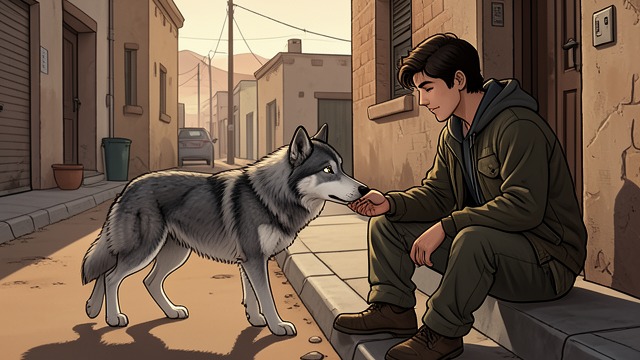
The Gray Husky
A gray husky approaches Johnny Truant in Flagstaff after he has lost nearly every human connection.
Unexpected Contact
The dog offers companionship without demanding explanation.
Modest Renewal
Its presence does not cure Johnny’s history, but it gives the ending a small rhythm of trust and ordinary movement.
Before January 1997
April to August 1990
December 1996
During Will Navidson’s Sudan assignment
Near the final pages
