
The Unfinished Ending
House of LeavesThis flow traces how the novel repeatedly approaches closure and then reopens its central mysteries.
increasing Bearing strength in each event
 decreasing
Bearing strength in each eventdecreasingThe Promise Of Explanation
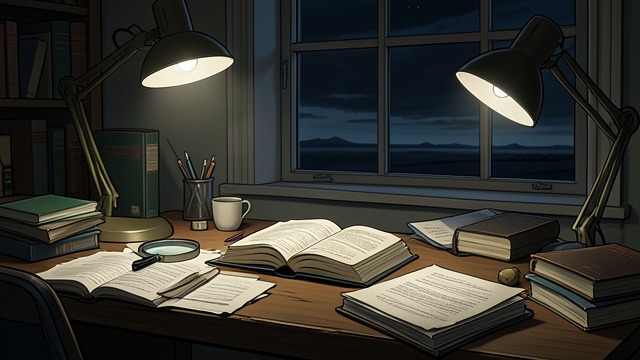
The Promise Of Explanation
The opening presents The Navidson Record as a subject that might be verified, interpreted, or dismissed.
Critical Frame
Scholarly commentary promises categories and conclusions.
Immediate Undermining
Contradictory sources and invented authorities make certainty unstable from the start.
The Failed Map
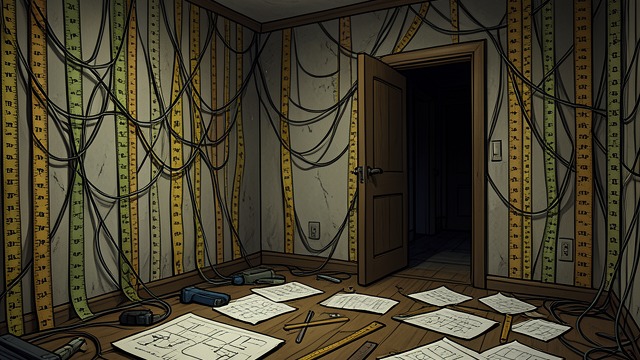
The Failed Map
Measurements, diagrams, fishing lines, and architectural theories repeatedly fail to contain the house.
Rational Effort
Characters respond to uncertainty by producing more records.
Structural Repetition
Every solution becomes another corridor leading toward a new problem.
The Apparent Rescue
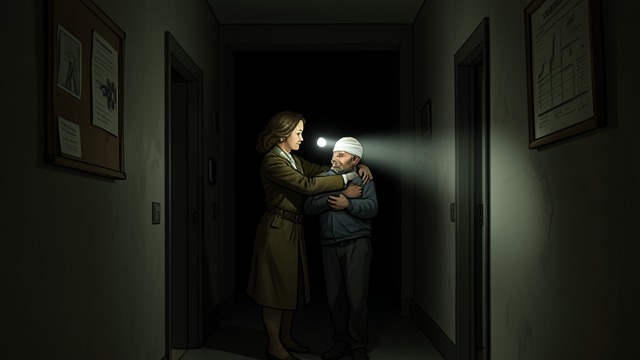
The Apparent Rescue
Karen Green enters the house and returns with Will Navidson alive.
Conventional Closure
The family survives and the architecture appears restored.
Residual Threat
The characters and reader know that survival does not make the house comprehensible or harmless.
The Happy Ending Question
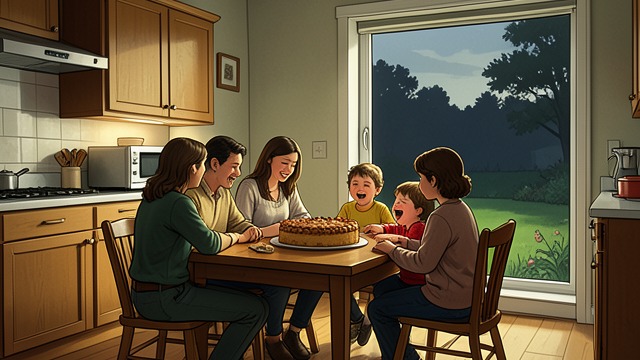
The Happy Ending Question
The surviving family marries, relocates, and builds a new life despite permanent injury and grief.
Recovery
The film offers domestic images of illness, children, photographs, and seasonal rituals.
Refusal Of Consolation
The ending remains honest because it acknowledges that healing does not erase the remembered abyss.
The Last Darkness
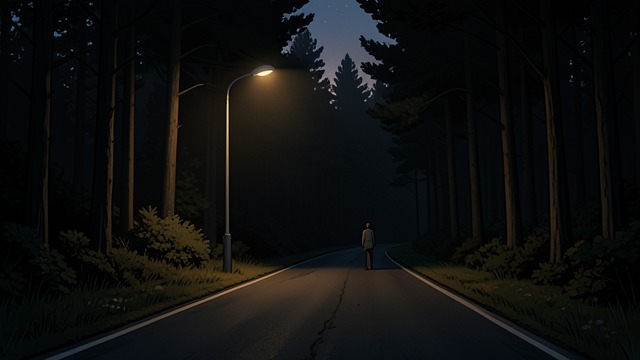
The Last Darkness
Will Navidson watches a road disappear into woods as a street lamp flickers out.
Return Of The Unknown
The narrative closes on an ordinary landscape that may still contain danger.
Open Form
The ending does not solve the house; it transfers the unresolved darkness into the reader’s imagination.
At the manuscript’s beginning
During the labyrinth chapters
Near the end of the house narrative
During the final Vermont sequence
The final image
