
Zampanò’s Vanishing Legacy
House of LeavesThis flow traces Zampanò’s life as a blind graphomaniac whose unfinished work becomes his only surviving presence.
increasing Bearing strength in each event
 decreasing
Bearing strength in each eventdecreasingThe Blind Scholar
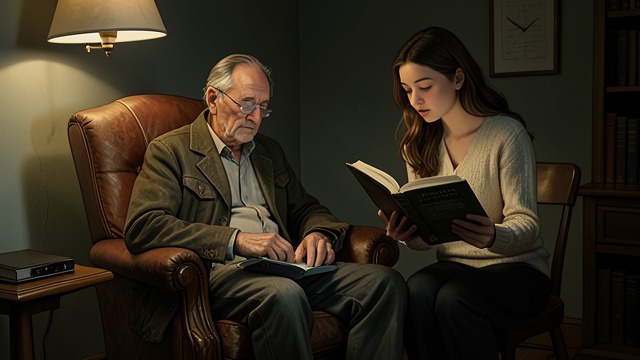
The Blind Scholar
Zampanò writes obsessively despite losing his sight decades before his death.
Borrowed Vision
Female readers provide the voices through which he accesses literature, history, and film.
Intellectual Construction
His scholarship is partly genuine, partly fabricated, and always shaped by the need to create a world through language.
The Seven Names
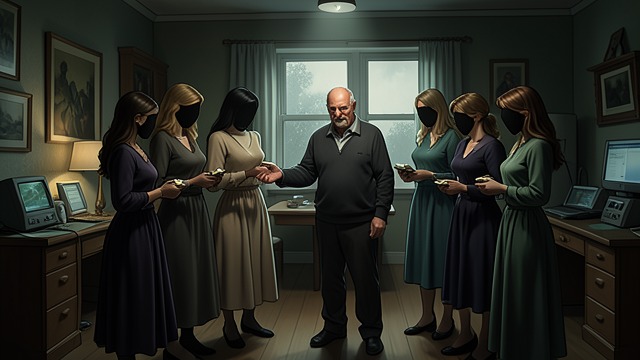
The Seven Names
Zampanò repeatedly invokes seven women whose identities remain uncertain and emotionally charged.
Memory As Possession
The names function less as biography than as fragments of longing and regret.
Human Contact
His readers become temporary companions who allow intimacy without requiring ordinary domestic life.
The Apartment Tomb
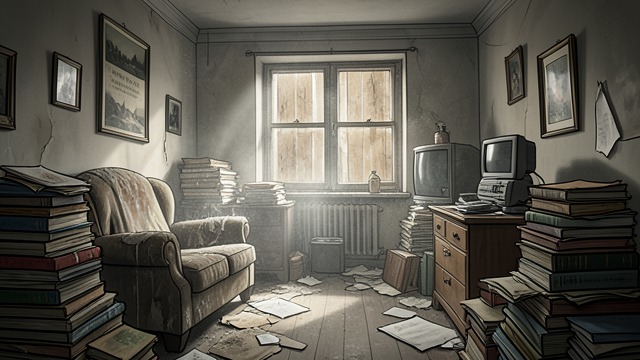
The Apartment Tomb
Zampanò seals his apartment and fills it with objects, books, odors, and unfinished notes.
Preserved Atmosphere
The apartment becomes an archive of sensory residue rather than a comfortable home.
Approach Of Death
Its sealed stillness anticipates the larger darkness that Johnny Truant later discovers in the manuscript.
The Unfinished Masterwork
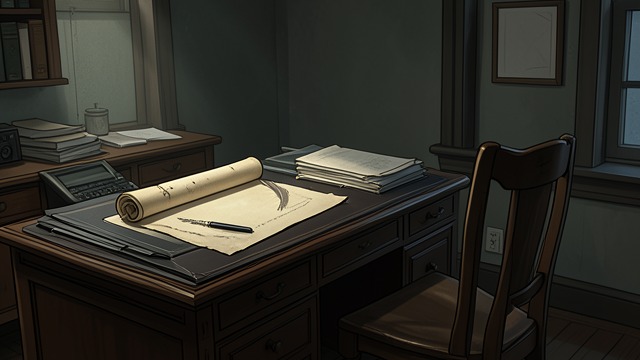
The Unfinished Masterwork
Zampanò leaves a note granting publication rights to whoever finds his work.
Irony Of Publication
He anticipates that readers may reject the project and treats failure as a form of prosperity.
Fatal Completion
The manuscript’s incompletion becomes part of its identity and ensures that later readers must become collaborators.
The Continuing Voice
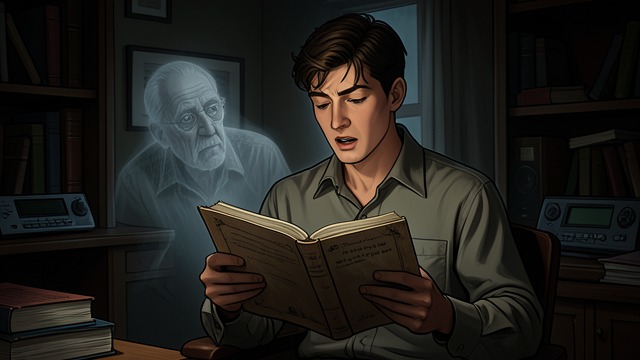
The Continuing Voice
Zampanò’s voice survives through Johnny Truant’s editing and through readers who continue interpreting the book.
Echo Rather Than Resurrection
The dead writer does not return as a person, but his language continues to alter other lives.
Legacy
His greatest creation is an unstable chain of voices that refuses to end with his death.
Mid twentieth century onward
During his later years
The final years before January 1997
January 5 1997
After the manuscript’s circulation
