
The Growth of Psychedelic Therapy
How to Change Your MindTherapeutic models shift from psychosis mimicry to analysis and spiritual transformation, then reappear in contemporary assisted psychotherapy.
increasing Bearing strength in each event
 decreasing
Bearing strength in each eventdecreasingThe Psychotomimetic Start

Treating LSD as a Model
A medical analogy
Clinicians regard LSD as a temporary imitation of psychosis. Some take the drug themselves to better understand the patients they treat.
A narrow interpretation
The model fits familiar psychiatric categories but cannot contain the positive, transcendent experiences many participants report. Its explanatory authority begins to weaken.
The Psycholytic Route

Loosening Defenses
Therapy at lower doses
Psycholytic practitioners use smaller doses to make difficult feelings and memories more accessible while patients remain able to speak with a therapist.
Compatibility and limits
The method fits psychoanalytic practice and attracts clinicians in Europe and Los Angeles. Its reported successes are promising, but controlled replication remains limited.
The Psychedelic Route

A Single Transformative Session
Mystical possibility
High-dose therapy aims at a profound shift in perspective, supported by music, eyeshades, a comfortable room, and an attentive guide. Al Hubbard helps define the setting.
Medicine meets ritual
The method borrows from practices that use ceremony and suggestion. Its spiritual dimension can be therapeutically meaningful, but it unsettles a profession seeking strictly medical explanations.
The Model Is Suppressed

Clinical Work Loses Its Ground
A public identity hardens
Illicit use, adverse events, and alarmist coverage recast LSD as a danger. The therapeutic model is overshadowed by the returned psychosis analogy.
A fragile distinction
Research institutions struggle to separate guided treatment from unsupervised use. Regulatory restrictions and stigma largely end recognized practice.
Assisted Psychotherapy Returns
An Integrated Clinical Form
Contemporary trials
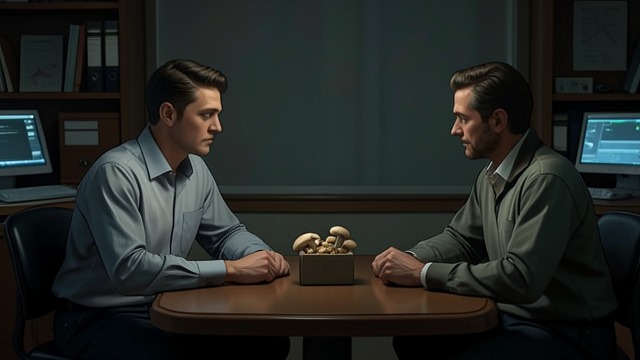
Modern studies combine psilocybin with preparation, support, and integration. Researchers describe the intervention as therapy assisted by a drug rather than drug treatment alone.
The institutional test
The approach may bridge biological and psychological models, but blinding, expectancy, and therapist influence complicate evaluation. Acceptance depends on safety and stronger evidence.
At the start of the 1950s
During the mid-1950s
From 1953 onward
During the mid-1960s
From the late 1990s through 2017
