
The Meaning of Death and Rebirth
How to Change Your MindAcross clinical testimonies and Pollan’s own journeys, death imagery shifts from terror toward a possible practice in acceptance and renewed attention to life.
increasing Bearing strength in each event
 decreasing
Bearing strength in each eventdecreasingFear Before the Journey
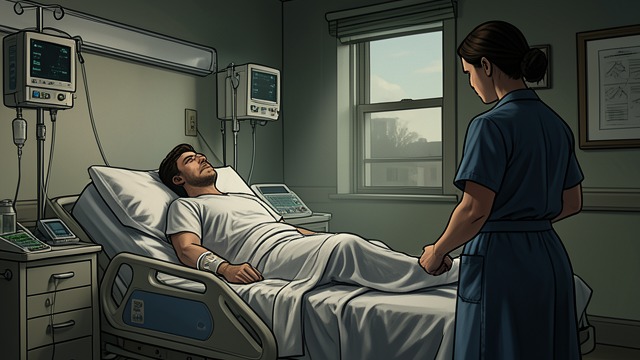
The Self Faces Its End
A narrowing horizon
Terminal illness and personal fear make death difficult to imagine except as extinction. Pollan also fears that a journey might destroy his psychological stability.
The question beneath treatment
For patients and healthy participants alike, the journey raises more than a medical question. It asks whether loosening the self changes how death can be experienced.
Patrick’s Brief Death

Approaching the Edge
An experience of possibility
Patrick Mettes sees an abyss and considers whether crossing it would mean leaving his body. He chooses to return because he still wants to be with Lisa.
A choice grounded in attachment
The session does not erase his love of life. It allows him to contemplate death while remaining connected to the person he most wishes to protect and accompany.
Pollan Meets the Dead
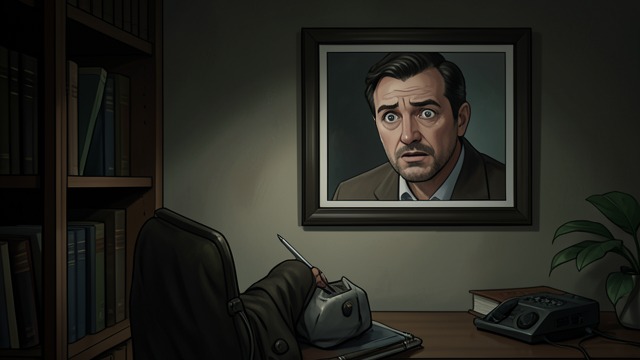
Grief Comes into View
Faces of the departed
Pollan encounters images of dead relatives and recognizes how little he has mourned them. The experience makes loss emotionally present rather than abstract.
Love and vulnerability
When Judith’s image appears among the dead, fear breaks through his defenses. The journey ties mortality to the relationships that make life precious.
Music as a Rehearsal

Becoming the Cello
Self and sound merge
As Pollan listens to Bach’s cello music, the boundary between listener and music dissolves. He experiences the piece as a passage through grief, time, and beauty.
A changed relation to mortality
The experience feels like practice for losing the self and accepting death. It is powerful without providing evidence of an afterlife.
Acceptance Without Certainty
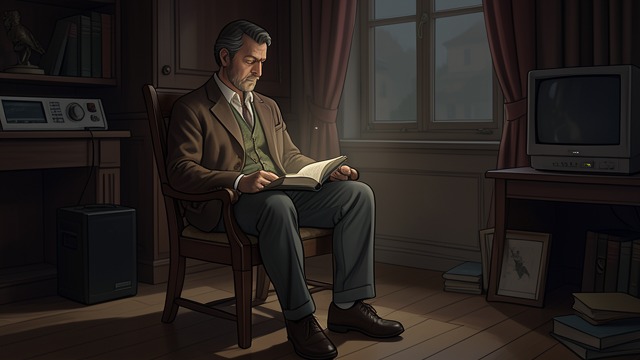
A More Open Prospect
What patients report
Some cancer-trial volunteers say their fear of death diminishes after a guided session. Their accounts describe peace and meaning rather than a uniform vision of what follows death.
The limit of the promise
The book does not present psychedelic therapy as proof of survival after death. Its claim is narrower: a changed relation to self and meaning may make dying less terrifying.
Before the cancer studies and Pollan’s sessions
During his 2011 psilocybin session
During the later part of the psilocybin journey
Near the climax of the psilocybin session
In the final reflections on dying
