
Love and the Language of Insight
How to Change Your MindThe recurring revelation that love matters moves between volunteers’ apparently banal insights, clinical accounts, and Pollan’s own intimate relationships.
increasing Bearing strength in each event
 decreasing
Bearing strength in each eventdecreasingLove as an Awkward Revelation

The Familiar Truth Returns
A common insight
Participants often describe love as the core of existence. Richard Boothby finds the realization compelling even while feeling embarrassed by its resemblance to greeting-card language.
Feeling changes meaning
The insight’s power lies not in novelty but in felt conviction. A familiar maxim acquires the weight of a truth newly encountered.
Karin’s Radical Compassion

Love Extends to Enemies
A vision of universal care
Karin Sokel describes an encounter with divine love and imagines extending compassion to figures associated with extreme violence. She experiences this as a core knowing rather than an argument.
Certainty meets scrutiny
Her conviction resists Pollan’s question about whether the experience was drug-induced. The scene exposes the distance between personal authority and public proof.
Pollan’s Family Comes Forward
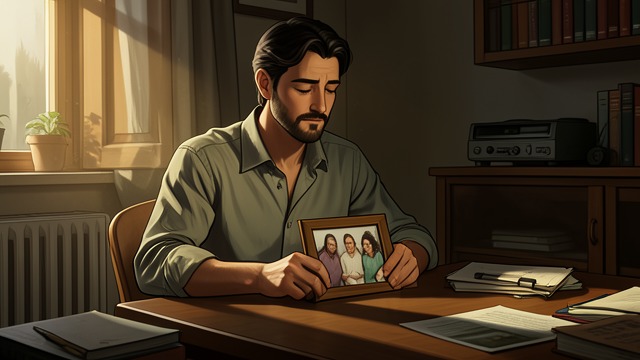
Emotion Reaches the Surface
A different kind of trip
Pollan encounters family memories rather than the supernatural figures he expected. He recognizes his father’s vulnerability and feels compassion for people he had understood through familiar roles.
A changed emotional habit
The journey gives him a reason to question his guardedness. Love becomes less an abstraction and more an invitation to be less stingy with feeling.
A Son and a Father
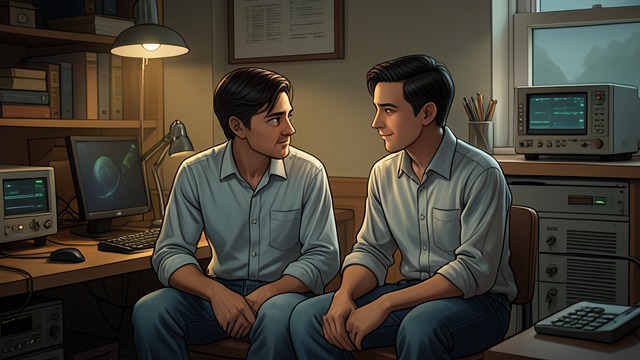
Tenderness Across Generations
Speaking to Isaac
Pollan’s thoughts about his son’s sensitivity turn back toward himself. His wish that Isaac remain open becomes recognition of qualities he also needs to protect.
Vulnerability shared
The scene turns parental concern into self-understanding. The journey’s emotional value comes from widening empathy, not from delivering a new factual discovery.
Love as a Clinical Fruit

Connection Replaces Isolation
Patients reconnect
Cancer patients describe renewed closeness to loved ones and a wider sense of belonging. Their reports connect emotional change with reduced existential distress.
A practical spiritual meaning
Pollan comes to regard love as a possible language for experiences that feel larger than the individual. The meaning remains compatible with a non-supernatural interpretation.
During Pollan’s interviews with volunteers
During her Hopkins psilocybin experience
During the first LSD journey
During the same journey
In the cancer studies and later reflections
