
Timothy Leary’s Rise and Fall
How to Change Your MindTimothy Leary moves from psychologist to psychedelic evangelist, reshaping public culture while contributing to the conditions that end academic research.
increasing Bearing strength in each event
 decreasing
Bearing strength in each eventdecreasingA Disenchanted Psychologist

Doubts About the Psychology Game
A career in question
Leary’s earlier research suggests that conventional psychotherapy may not reliably change outcomes. He arrives at Harvard already skeptical of the field’s methods and institutions.
A volatile temperament
His charisma and appetite for provocation help him attract students, but they also make colleagues question his scientific judgment before psychedelics enter the story.
The Psilocybin Revelation
A Personal Conversion
A new view of mind
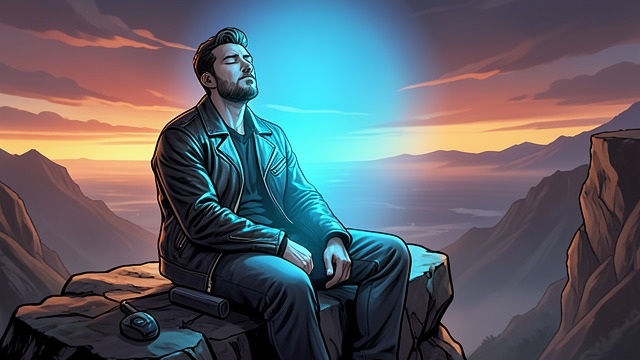
Leary experiences psilocybin in Mexico and returns convinced that consciousness can be systematically expanded. He describes the event as a greater education than years of psychology.
Urgency takes hold
The experience renews his interest in the mind, but also gives him a prophetic sense of mission. Scientific curiosity begins to share space with evangelism.
Harvard and the Project
Research Becomes a Community
A popular project
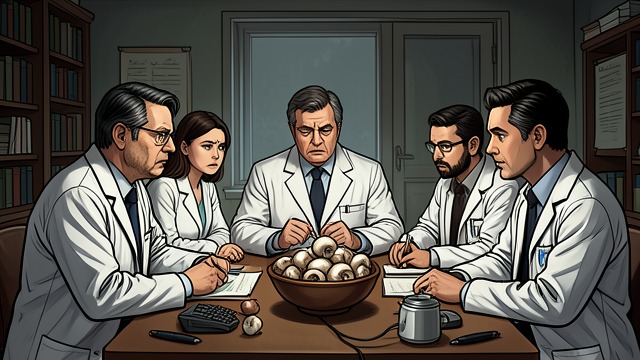
Leary and Richard Alpert establish the Harvard Psilocybin Project and recruit many participants. Naturalistic sessions make the work vivid but methodologically vulnerable.
Growing criticism
David McClelland and Herbert Kelman raise concerns about controls, supervision, and pressure on students. Leary’s interest in research increasingly competes with his larger cultural ambitions.
The Public Break
Leaving the University
Conflict becomes news
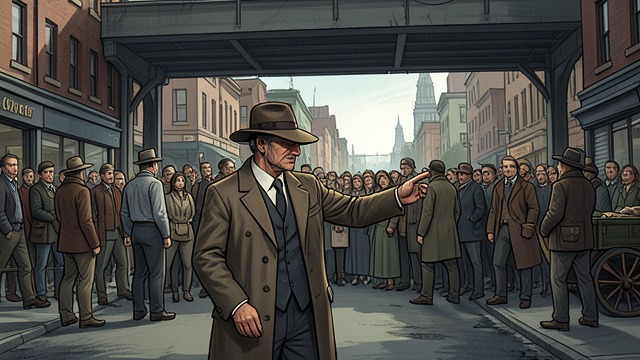
The Harvard controversy reaches the press, and Leary and Alpert leave the university. Leary declares that the work is too controversial for a university setting.
A new role
He shifts from psychologist toward public advocate, embracing mass access and social change. The shift makes him influential while alienating researchers who seek institutional protection.
A Legacy of Contradiction

Influence and Blame
Cultural force
Leary becomes a symbol of psychedelic counterculture and faces prosecution, imprisonment, escape, and continued publicity. His slogans help bind the drugs to social revolt.
Complicated remembrance
At the researchers’ reunion, Leary presents himself as playing a necessary role, while others acknowledge the damage his conduct caused. His legacy becomes both obstacle and inheritance for later research.
Before the summer of 1960
Summer 1960 in Cuernavaca
From autumn 1960 to 1962
Late 1962 through 1963
From 1966 through the 1979 reunion
