
The First Wave and Its Rupture
How to Change Your MindThis thread follows psychedelic research as it shifts from psychosis mimicry toward therapy, then fractures under publicity, cultural upheaval, and regulation.
increasing Bearing strength in each event
 decreasing
Bearing strength in each eventdecreasingThe Psychosis Hypothesis
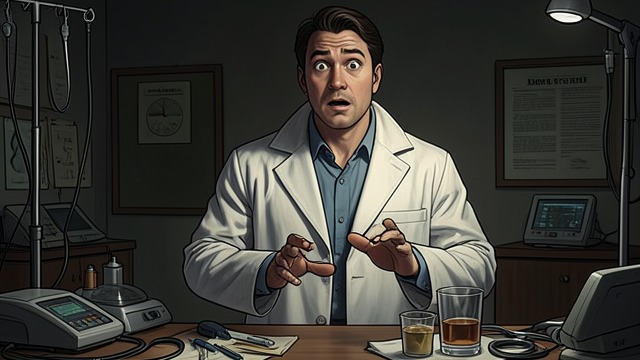
Naming the Strange Effects
A psychiatric model
Early clinicians call LSD psychotomimetic because its visible effects resemble symptoms of psychosis. The model promises insight into schizophrenia and an opportunity for doctors to experience a patient’s perspective.
Evidence begins to resist
Participants also report beauty, insight, and unity. The experiences increasingly exceed the explanatory frame that first made the drug seem useful.
Therapy Turns Inward

The Experience Becomes the Treatment
From model illness to possible cure
Humphry Osmond and Abram Hoffer test LSD with people treated for alcohol dependence. They initially imagine an induced delirium, yet participants often describe transcendence rather than madness.
Context matters
The researchers learn that therapist presence and surroundings affect the journey. The importance of what will be called set and setting begins to challenge the idea of a drug acting alone.
The High-Dose Model

A Conversion-Oriented Practice
A different therapeutic aim
A single high dose, a comfortable room, music, eyeshades, and an attentive guide are used to create conditions for profound psychological change. Al Hubbard helps shape this approach.
A challenge to convention
The method makes experience, relationship, and spiritual interpretation central. It is difficult to fit into medicine organized around isolated drugs and measurable symptoms.
Leary’s Public Turn
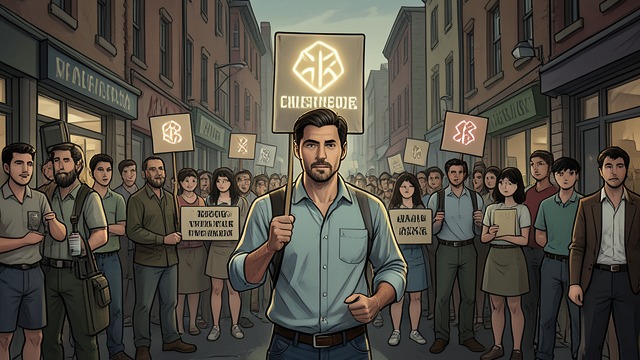
Science and Evangelism Diverge
A project gathers momentum
Timothy Leary and Richard Alpert begin the Harvard Psilocybin Project, using naturalistic sessions and questionnaires. Their work draws attention to altered consciousness and attracts students.
Caution gives way to publicity
As Leary’s cultural mission grows, colleagues question the project’s methods and boundaries. What begins as research increasingly sounds like a call for social transformation.
The Closure
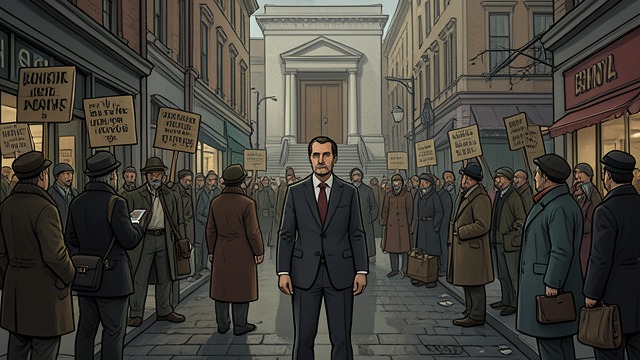
The First Wave Ends
A political distinction collapses
Public controversy and uncontrolled use make responsible clinical work harder to separate from recreational use. Researchers lose access to drugs and institutional support.
An unfinished legacy
The closure prevents the field from resolving its methodological questions. Yet its clinical ideas and personal networks survive, setting the conditions for later revival.
Around 1950
During the early to mid-1950s
From the mid-1950s
From 1960 to 1962
By the end of 1966
