
Guides and the Underground Lineage
How to Change Your MindThe underground guide network inherits practices from early psychedelic therapists, formalizes ethical protections, and remains both a source of expertise and a contested alternative to medicine.
increasing Bearing strength in each event
 decreasing
Bearing strength in each eventdecreasingA Decision to Continue
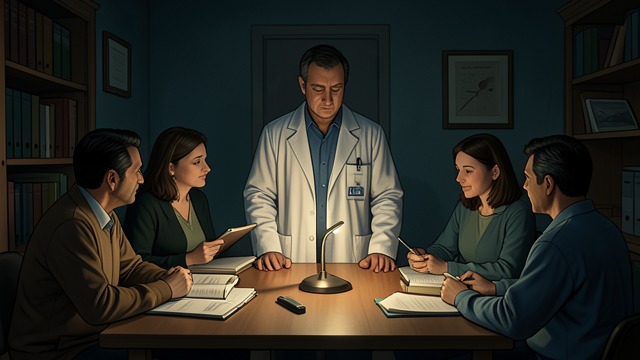
Work Moves Belowground
A practitioner’s choice
Leo Zeff continues psychedelic work after legal controls make it dangerous. He believes the transformations he witnesses justify the personal and professional risk.
A practice takes shape
He develops agreements around confidentiality, boundaries, and cooperation. The underground becomes not merely scattered drug use but a lineage of guided work.
Methods Passed On
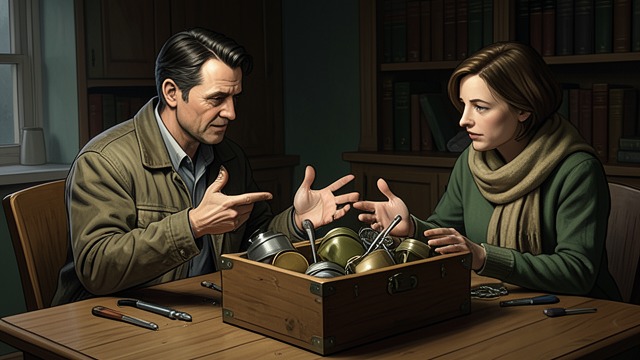
Inherited Guidance
Experience as preparation
Zeff argues that guides should know the medicines personally and allow a journey to unfold rather than over-direct it. Human warmth and touch may matter more than detached clinical posture.
A hybrid inheritance
These practices draw from early research, psychotherapy, and shamanic models. They preserve useful knowledge while raising questions about accountability and clinical safety.
A Network Reveals Itself
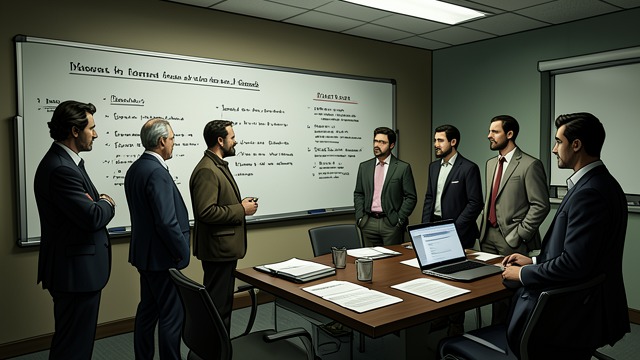
Guides Meet in Public
Unexpected numbers
James Fadiman invites underground guides to gather at a conference and finds far more attendees than expected. The meeting reveals a dispersed group with shared customs.
Toward common standards
A collaborative online resource collects forms, ethical language, and practical guidance. The network remains informal, but it begins to articulate responsibilities and shared expectations.
Ethics and Vulnerability

Trust Is Not Automatic
A search for safety
Pollan interviews prospective guides and rejects some whose confidence or judgment alarms him. Their manner matters because the work places a vulnerable person in a highly suggestible state.
Rules against exploitation
Ethical codes stress consent, confidentiality, health, and limits on ambition. Formal protocols offer safeguards, though they cannot guarantee sound judgment or prevent harm.
A Possible Cultural Vessel
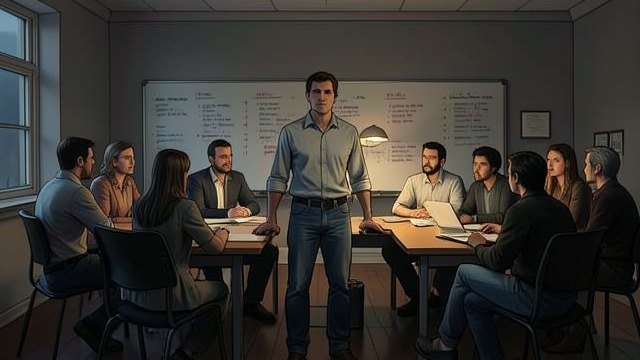
More Than a Drug Session
Preparation and integration
Guides help participants prepare, remain supported during difficult passages, and make sense of experiences afterward. Pollan learns that the container around a session shapes both safety and meaning.
An unresolved model
Medicine offers one container and underground traditions another. The book argues for informed structure without claiming any existing system is complete or universally appropriate.
After the 1970 controls
Across the underground decades
At the 2010 MAPS conference
During Pollan’s guide search
At the end of the investigation
