
Psychedelics and Cultural Transformation
How to Change Your MindThe book considers how altered consciousness helped shape counterculture, environmental imagination, and computing while resisting the claim that drugs alone caused social change.
increasing Bearing strength in each event
 decreasing
Bearing strength in each eventdecreasingAn Elite Strategy
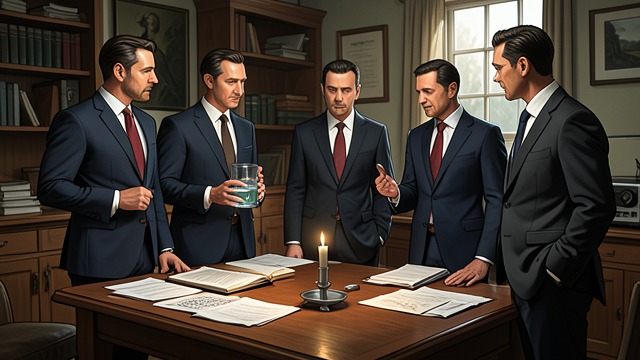
Change from the Top
Leaders as first audience
Al Hubbard and other advocates hope that executives, scientists, and public figures will use psychedelics and change society from within. Their model favors gradual influence over mass publicity.
A controlled ambition
The approach depends on access to powerful people and guided sessions. It offers a social container but raises questions about who gets to receive the experience.
A Democratic Vision

Transcendence for Everyone
Mass access imagined
Timothy Leary and Allen Ginsberg advocate spreading psychedelic experience widely. Their vision promises that ordinary people can enter territories once associated with mystics and artists.
A political response
The invitation unsettles institutions because it challenges authority over consciousness. The conflict between democratic access and responsible containment becomes central to the era.
The Engineers’ Creative Tool
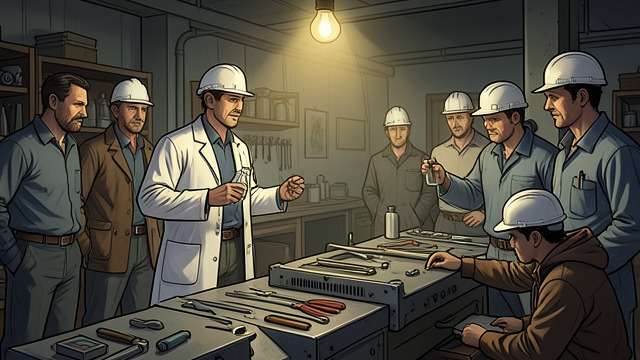
LSD and Problem Solving
Experiments in Menlo Park
Researchers give modest doses to engineers, artists, and scientists who are stuck on projects. Participants report novel visualizations and solutions, though the studies lack strong controls.
A technological legacy proposed
Several later computer figures encountered LSD in this community. The book suggests influence on creativity while acknowledging that direct causal proof is difficult.
Earth as a Finite Home
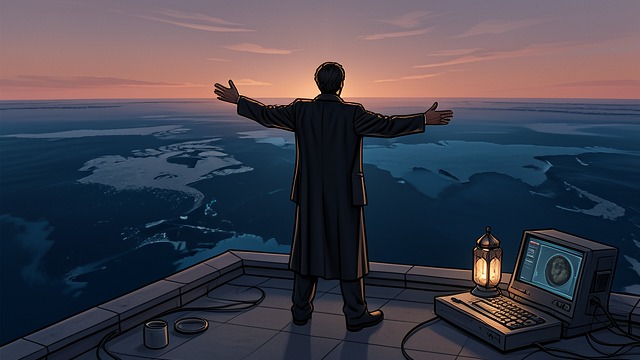
Stewart Brand’s Rooftop Insight
A new image of the planet
After taking LSD, Brand imagines Earth as a finite spaceship rather than an unlimited plane. He campaigns for a photograph of the whole Earth to make that perspective visible.
Image and culture
The campaign precedes the famous Earth photographs and the Whole Earth Catalog. The book connects altered perspective to environmental imagination without claiming a single cause for the movement.
A Cautious Cultural Legacy
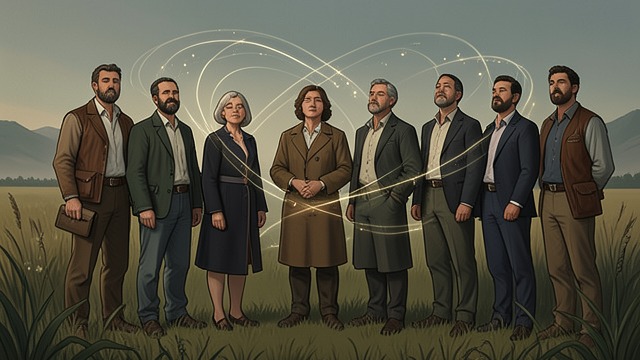
Transformation Without a Single Cause
Multiple forces converge
Psychedelics interact with war, technology, generational change, and existing cultural movements. Their influence matters without explaining every social development.
A future choice
The new generation may integrate these experiences through medicine, ritual, or other structures. The book leaves open whether cultural transformation can proceed without repeating the first wave’s rupture.
During the 1950s
From 1960 through 1967
During the early 1960s
In the spring of 1966
In the epilogue
