
The Conflict Over Psychedelic Containers
How to Change Your MindThe book examines competing ways of containing psychedelic power, from clinical protocol and ritual guidance to unsupervised use and medical regulation.
increasing Bearing strength in each event
 decreasing
Bearing strength in each eventdecreasingAn Unfamiliar Power

No Established Rules
Novel states
Researchers confront drugs capable of intense, unpredictable changes in consciousness. Existing clinical categories and ordinary drug-trial methods offer incomplete guidance.
The need for a container
Early practice begins to rely on preparation, supportive rooms, and experienced guides. What looks extraneous to pharmacology may shape the outcome.
The Guided Protocol

Ritual Elements Enter Therapy
A supportive room
Guides use music, images, and reassuring presence to help participants face difficult experiences. The session is designed as a relationship and environment, not simply a dose.
A boundary problem
The approach can harness suggestibility for healing, but it also gives guides unusual influence. Good practice requires consent, skill, and restraint.
The DIY Alternative

Dropping the Institutional Frame
Access becomes a cause
Leary and countercultural advocates argue that individuals should explore consciousness without waiting for institutional permission. The promise is freedom from gatekeepers.
Risk follows freedom
Without skilled support or agreed protocols, difficult experiences can become dangerous. The book frames unsupervised use as an experiment whose social costs were not yet understood.
Underground Standards
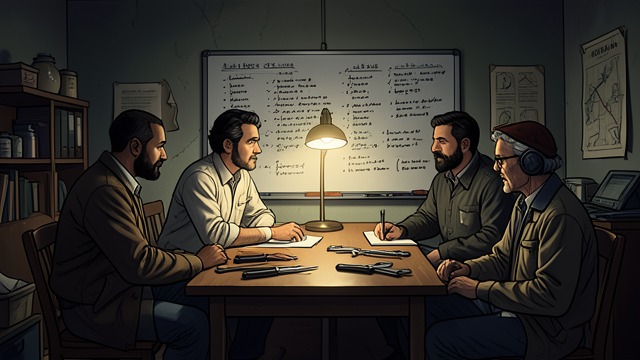
Rules Outside Medicine
Guides formalize practice
Underground practitioners develop agreements, screening practices, ethical codes, and integration methods. Their work attempts to create structure despite legal exclusion.
Accountability remains difficult
Shared standards can reduce risks, but informal networks lack the oversight and protections of a public clinical system. The underground is a vessel with real gaps.
Medicalization’s New Boundary

Clinical Approval and Access
A legitimate pathway
Trials may bring regulated psychedelic-assisted psychotherapy to patients. Medical institutions can provide screening, trained staff, and formal follow-up.
Who is left outside
Pollan and other advocates worry that medicalization may restrict use to illness and exclude spiritual or personal exploration. The next container remains contested.
As psychedelics enter postwar research
From the mid-1950s onward
From the early 1960s
After psychedelics are prohibited
At the close of the book
