Psychedelics and the generational divide
How to Change Your MindPsychedelics and the generational divide names a rupture in which a generation’s formative psychedelic experiences were largely unintelligible to its elders. The compounds helped shape the counterculture’s styles and sense of possibility, but the passage they offered did not lead young people through a transition recognized by the wider community. It left them, instead, in a psychic landscape their parents could not readily recognize—and made the conflict over psychedelics at once cultural, therapeutic, and generational.
A new therapeutic paradigm
The divide had roots in a change within psychedelic research before the counterculture reached its height. In 1956–1957, Humphry Osmond, Al Hubbard, and Aldous Huxley advanced a model of psychedelic therapy that differed sharply from earlier attempts to fit the drugs into established psychiatry. Psychotomimetic theories treated their effects as resembling psychosis; psycholytic practice incorporated them as an adjunct to psychoanalysis. Psychedelic therapy proposed something more disruptive: a single high-dose session intended to produce a conversion-like experience, requiring a reimagining of the customary roles of patient and therapist.
This model unsettled the professional boundaries between sickness and health, healer and sufferer, and science and religion. Charles Grob later characterized it as applied mysticism. Its emphasis on set and setting also made the therapeutic encounter depend on variables beyond the drug itself, bringing it closer to a guided or shamanic practice than many academic psychiatrists found comfortable. The profession’s growing preference for the double-blind, placebo-controlled trial added a practical obstacle: when participants and guides could often tell whether psilocybin had been given, the standard method of isolating a drug’s effects was difficult to satisfy. Psychedelic research thus challenged not only accepted treatment but also the standards by which treatment claimed scientific authority.
A rite of passage without elders
The counterculture’s rise sharpened that professional dispute into a social break. The Vietnam War and the draft were powerful forces in their own right, and the account does not attribute the existence of a counterculture to psychedelics alone. It argues, however, that these drugs helped determine the movement’s distinctive music, art, writing, design, and social relations. They also encouraged a political mood in which inherited arrangements seemed revisable and even history itself could seem open to erasure and restart.
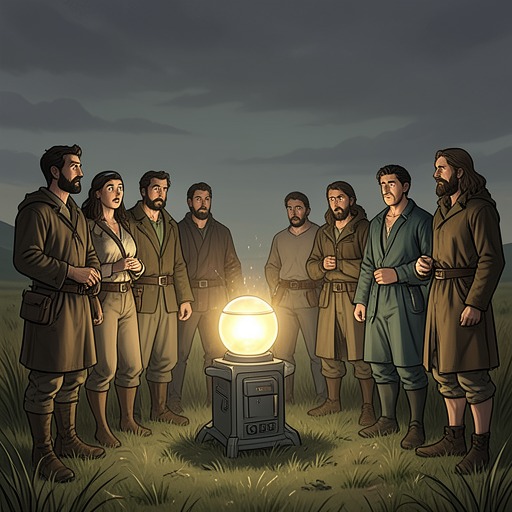
The crucial difference was the absence of a shared passage between generations. In more familiar rites of passage, elders establish and maintain the hurdles and gates through which younger people move before taking their place in adult society. The psychedelic journey of the 1960s did not work that way: its young travelers emerged into a psychic terrain their parents had never encountered. Because the older generation lacked both experience of the journey and a common set of rituals for interpreting it, the experience could divide rather than incorporate. The wider lesson drawn from the period is that powerful psychedelic experiences need a sturdy social container—protocols, guidance, and context—not merely access to the chemicals.
From cultural revolution to institutional rupture
The widening distance between medical and spiritual approaches was already visible in Al Hubbard’s efforts to organize researchers beyond medicine’s focus on illness. His Commission for the Study of Creative Imagination gathered researchers and other prominent figures around an ambition that reached toward creative and cultural change. The commission’s uncertain practical substance mattered less than what its existence signaled: a research objective shifting from psychotherapy toward cultural transformation. Sidney Cohen’s resignation from its board in 1957 further marked the strain between scientific and mystical commitments.
As psychedelic therapy challenged psychiatric conventions, professional criticism became more pronounced. By 1963, Roy Grinker was publicly attacking researchers who took the drugs themselves, arguing that their experiences compromised their standing as investigators. In 1964, he again condemned conclusions he considered biased by researchers’ own ecstatic experiences. Other critics objected to what they regarded as an aura of magic around the drugs. Such disputes reinforced a sharp distinction between legitimate medical inquiry and spiritual or cultural experimentation, even as the new model depended on aspects of experience that were difficult to separate from expectation, guidance, and setting.
A divided legacy
The account treats the generation gap as both consequence and cause: psychedelics helped make the break unusually vivid, while that break made the compounds symbols of a conflict larger than their pharmacology. Whether the 1960s upheaval should be blamed on psychedelics or credited to them remains inseparable from the fact that young people underwent a formative experience their parents could not share. The hope attached to this history is that future psychedelic use will not repeat the same divisive passage without a common framework or guidance from elders.
Timothy Leary’s legacy is therefore presented in two registers. His role in turning a generation toward psychedelics helped intensify the rupture, but that generation later came to occupy positions in society’s institutions. The same cultural change that separated young people from their parents helped create conditions in which psychedelic research could be revived. In the later clinical era, the tension has not simply disappeared: researchers and mental-health leaders have recognized the promise of psychedelic-assisted psychotherapy while warning that safety, rigor, and public credibility remain vulnerable. The historical divide thus persists less as a simple contest between generations than as an unresolved question about how spiritual experience, clinical practice, and scientific standards can be held together.