Richard Alpert
How to Change Your MindRichard Alpert, later known as Ram Dass, was a psychologist and central participant in the early Harvard psilocybin research program. Working with Timothy Leary, he helped bring the study of psychedelic drugs into a university setting, where research with volunteers and experiments in institutional settings became both a source of influence and a focus of controversy. His reported administration of psilocybin to an undergraduate became the issue that precipitated the project’s closure; Alpert and Leary then continued their work beyond Harvard.
Identity and Research Setting
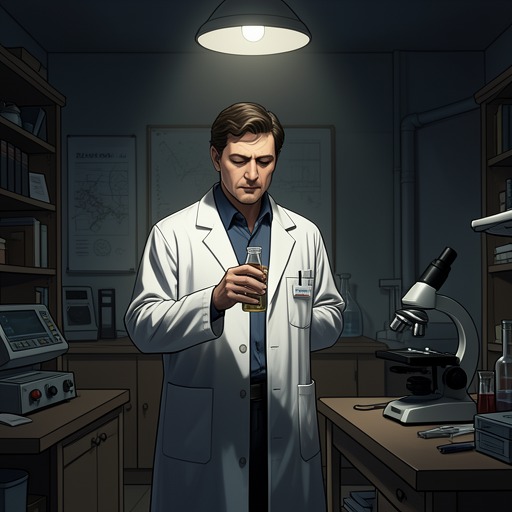
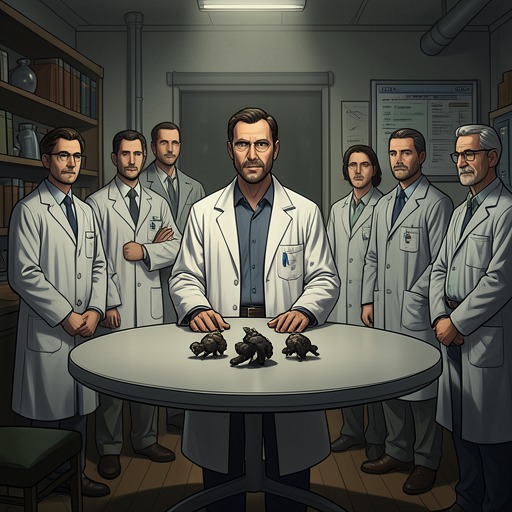
Alpert worked with Leary in the Department of Social Relations at Harvard University, where the two established the Harvard Psilocybin Project in 1960. The program was not limited to one narrowly defined clinical group: researchers administered psilocybin to hundreds of volunteers in what the book describes as a naturalistic setting. Ralph Metzner, then a graduate student, was among the researchers involved.
The project also took its experiments into distinctive institutional environments. Its researchers worked with prisoners at Concord State Prison and with theology students at Boston University’s Marsh Chapel. The range of settings made the program more than a single laboratory undertaking: it brought psychedelic research into contact with incarceration, religious study, and the experiences of volunteers. Later, the group began working with LSD as well as psilocybin.
Harvard Project and Controversy
The Harvard program became engulfed in controversy in 1962. The account identifies a specific allegation: Alpert had reportedly given psilocybin to an undergraduate in violation of the project’s agreement with Harvard. The project was subsequently closed. This sequence places Alpert at the center of the institutional rupture, but the evidence describes the administration as something that had been reported rather than supplying further detail about the circumstances or Alpert’s own account.
The closure did not immediately end the collaboration between Alpert and Leary. They established a successor organization in Cambridge, outside Harvard, called the International Federation for Internal Freedom. The move marked a change in institutional footing: the work that had been conducted within a university program now continued through an organization separate from Harvard.
Relationships and Transmission
Alpert’s partnership with Leary was both organizational and practical. Together they launched the Harvard project, conducted its research, and formed the successor organization after Harvard shut the program down. The available account presents their shared work as a major strand of early American psychedelic research, while distinguishing the project’s institutional history from its later continuation outside the university.
Alpert also brought psilocybin to James Fadiman, his former student, after Fadiman had graduated from Harvard in 1960. Alpert described the discovery to Fadiman as the greatest thing in the world and said he wanted to share it with him; Fadiman was subsequently introduced to psilocybin through him. This personal exchange shows how the research world’s knowledge and practices could move through mentorship and friendship as well as through formal projects.
Legacy
Alpert’s place in the book’s account lies in the contrast between the Harvard project’s formal authority and its vulnerability to institutional limits. Its researchers had administered psilocybin to hundreds of volunteers and pursued studies in a prison and a theological setting, yet a reported breach of the university agreement was followed by the program’s closure. The successor organization preserved a path for Alpert and Leary’s work beyond Harvard, even as the original project ended.
His later name, Ram Dass, also appears in a recollection of psychedelics’ generational legacy. Rick Doblin argued that Leary helped make a second wave of research possible by turning on a generation; the account notes that Paul Summergrad, speaking in a videotaped interview with Ram Dass shown at a 2015 meeting of the American Psychiatric Association, described a college LSD experience as formative to his intellectual development. The episode does not assign Alpert sole responsibility for that legacy, but it places him within the network through which psychedelic experiences and their meanings reached researchers and institutions beyond the original Harvard circle.