Werewolf pack hierarchy
How to Flirt with A Naked WerewolfWerewolf pack hierarchy is both an instinctive social order and a form of community government: an alpha leads a pack whose members are conditioned to follow that leader, while the pack shares responsibility for its families and safety. Cooper Graham’s history exposes the system’s power and costs, and the eventual election of Maggie Graham shows that its leadership can change when inherited expectations no longer serve the group.
Leadership and the Alpha
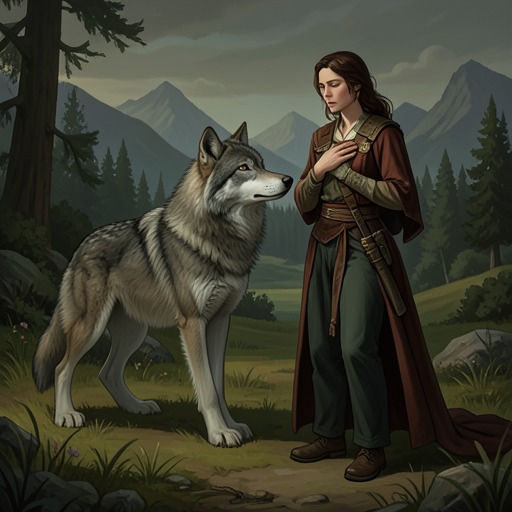
The alpha is not selected by bloodline. Cooper explains that every generation has one, but nobody knows in advance who it will be; the role becomes apparent as young wolves grow into their abilities. A person may discover the authority attached to it almost suddenly, when someone they have known all their life gives an instruction and they obey without thinking. In Cooper’s generation, his first phasing marked him out: he was the fastest and strongest, and his relatives regarded him as the likely alpha.
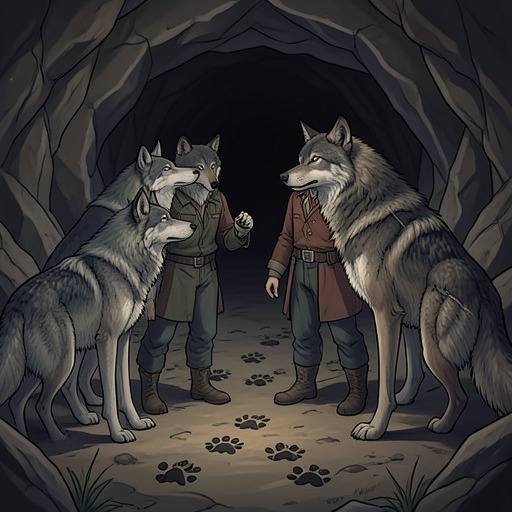
The role carries more than status. The alpha makes important decisions for the pack and its families and leads the community in confronting threats, from wild animals and criminals to other people considered undesirable. Cooper describes the pack as resembling a village as well as an army: its members share a common purpose, but the work of protection can also mean sending people into danger. He says he struggled with that responsibility, taking too much of it onto himself and hurting people he cared about. Leadership is therefore presented not simply as command, but as a burden of deciding who bears risk.
Instinct, Obedience, and Belonging
Pack authority rests on a powerful instinct to cooperate. Cooper compares werewolves’ social conditioning to real wolves’ need to work together to keep the pack fed and healthy. Human traits such as pride, anger, and lust, he says, make those instincts especially important: when an alpha gives an order, a pack member may follow even while recognizing that it is foolish or dangerous. The obedience feels compelling, but Cooper also describes it as serving the pack’s good.
That explanation leaves a deliberate tension between personal choice and collective need. Mo hears the account as resembling brainwashing; Cooper concedes that it sounds troubling when put into words. Yet he also remembers his grandfather being content as a foot soldier and describing pack life as service to something larger, shared with close friends. The hierarchy thus offers belonging and common purpose while limiting an individual’s freedom to refuse. Its appeal and its coercive force are not separate features: the same instinct that makes cooperation possible can make dissent difficult.
Cooper, Eli, and Contested Authority
Cooper’s expected place at the top of the hierarchy conflicts with his decision to leave his family’s valley and settle in Grundy, a hundred miles away. His departure is described as devastating because a wolf’s instincts draw it toward the territory where its pack lives and hunts. Even after leaving, Cooper remains the alpha until his death; his refusal to return does not, by itself, transfer the title.
In his absence, Eli manages pack affairs and calls himself the practical leader, but distinguishes that function from formal authority. He admits that he cannot order Maggie to stop fighting Cooper and expects she would attack him if he tried. Cooper’s return makes the distinction visible: Eli handles logistics, while Cooper’s presence alone reassures members who still recognize him as their leader. Eli urges Cooper to resume the role, arguing that the pack needs its true alpha, but Cooper refuses and tells him to keep the pack away from Mo and him.
The conflict is also a contest over what leadership should mean. Eli regards Cooper as too concerned with fairness and equality, and believes the pack needs strength; he resents being treated as a substitute. Cooper, by contrast, recalls the harm that came from taking too much responsibility and does not want to lead by forcing others. The novel’s conflict makes the alpha’s authority a source of both communal security and political rivalry, rather than an uncomplicated mark of fitness.
Maggie’s Election and the Changing Order
After Eli’s loss, Cooper continues to reject the alpha role, though he visits the packlands more often. Following an all-night meeting, the pack adopts a more democratic method of choosing its leader: a secret ballot. Maggie wins by a wide margin. Samson had also been nominated, but the pack did not believe he would take the position seriously.
Maggie’s authority differs from Cooper’s instinctive standing. The narrative describes her as commanding even without the genetic conditioning associated with a true alpha; many members fear her. Nevertheless, her decisions prove fair, swift, and generally in the interests of her people, and she is finally happy in the role. Her election changes the basis on which the pack chooses its leader without erasing the need for leadership. The hierarchy endures, but its succession is no longer treated as a foregone conclusion determined by the emergence of a particular wolf.